
Diabetes has become one of the most common chronic health conditions worldwide. Millions of people struggle every day to maintain healthy blood sugar levels despite taking medications, following dietary restrictions, and staying physically active. However, many individuals overlook an important aspect of diabetes management—vitamin deficiencies.
Could low levels of certain vitamins be making it harder to control your blood sugar?
Research suggests that deficiencies in specific nutrients may influence insulin sensitivity, glucose metabolism, nerve health, and inflammation. For this reason, understanding the role of vitamins for diabetes control has become increasingly important.
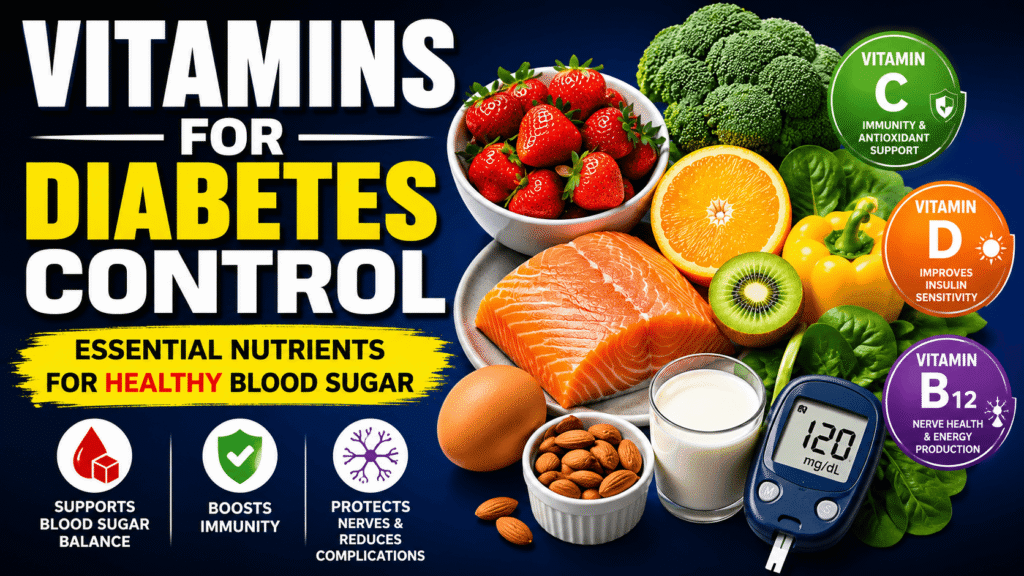
In this comprehensive guide, we will discuss the essential vitamins that may help support blood sugar management, improve overall health, and reduce the risk of diabetes-related complications.
Table of Contents
Why Vitamins Matter in Diabetes Management
Most people associate diabetes management with limiting sugar intake, reducing carbohydrates, and taking medications regularly. While these factors are undoubtedly important, they represent only part of the equation.
Your body requires an adequate supply of vitamins and minerals to perform thousands of biochemical functions every day. These nutrients support:
- Insulin production
- Insulin sensitivity
- Energy metabolism
- Nerve function
- Immune health
- Cellular repair
- Reduction of oxidative stress
When vitamin deficiencies occur, the body’s ability to regulate glucose efficiently may be compromised.
This is why experts increasingly emphasize the importance of maintaining adequate nutrient status alongside traditional diabetes treatments.
The Connection Between Nutritional Deficiencies and Blood Sugar Levels
People with diabetes are more likely to experience certain vitamin deficiencies due to various reasons, including:
- Dietary restrictions
- Poor nutrient absorption
- Increased urinary nutrient loss
- Long-term medication use
- Chronic inflammation
- Reduced appetite
- Digestive disorders
Some diabetes medications may also affect nutrient absorption over time.
For example, long-term use of metformin has been linked with lower levels of vitamin B12 in some patients.
Addressing these deficiencies may contribute to better metabolic health and improved quality of life.
Vitamin C: An Important Antioxidant for Diabetes Control
Among all the nutrients associated with diabetes management, Vitamin C is one of the most widely studied.
Vitamin C functions as a powerful antioxidant that protects cells from oxidative damage caused by free radicals.
People with diabetes often experience elevated oxidative stress, which may contribute to complications affecting blood vessels, nerves, kidneys, and eyes.
Benefits of Vitamin C for Diabetics
Vitamin C may provide several benefits for individuals living with diabetes, including:
✔ Reducing oxidative stress
✔ Supporting immune function
✔ Promoting healthy blood vessels
✔ Helping reduce inflammation
✔ Protecting pancreatic cells
✔ Supporting wound healing
How Much Vitamin C Do You Need?
The recommended daily intake for adults is generally:
- Men: 90 mg daily
- Women: 75 mg daily
Smokers may require additional Vitamin C due to increased oxidative stress.
Best Food Sources of Vitamin C
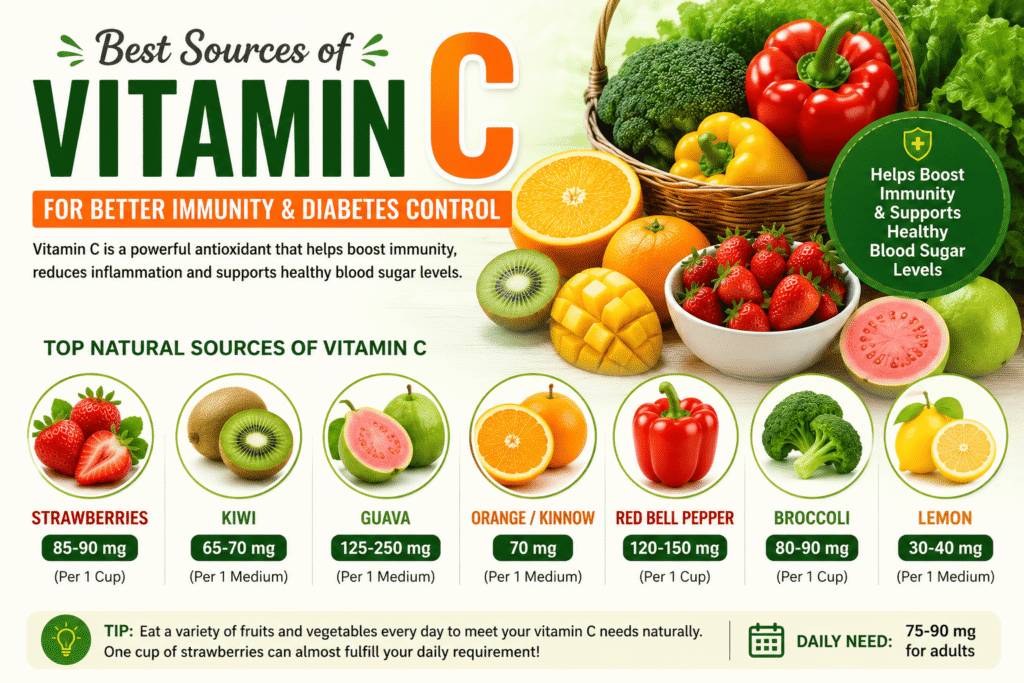
Natural food sources remain the best way to obtain Vitamin C.
Excellent options include:
Strawberries
Kiwi
Oranges
Kinnow
Guava
Bell peppers
Broccoli
Lemons
Tomatoes
Among these foods, strawberries are considered a diabetes-friendly fruit because they contain fiber and have a relatively low glycemic impact.
Can Vitamin C Help Lower Blood Sugar?
Several studies have explored whether Vitamin C supplementation may influence blood glucose control.
Although Vitamin C should never replace prescribed medications, maintaining adequate intake may support overall metabolic health.
Some researchers suggest that antioxidants can help reduce cellular damage associated with chronic high blood sugar.
However, supplementation should always be discussed with a healthcare professional.
Vitamin B12 and Diabetes: Why It Matters
Vitamin B12 is another nutrient that deserves special attention.
This vitamin is essential for:
- Healthy nerve function
- DNA synthesis
- Red blood cell production
- Brain health
- Energy metabolism
Individuals with diabetes frequently report symptoms such as:
- Tingling sensations
- Numbness
- Burning feet
- Weakness
- Fatigue
These symptoms may result from diabetic neuropathy, but Vitamin B12 deficiency can also contribute to similar problems.
Metformin and Vitamin B12 Deficiency
Metformin is among the most commonly prescribed medications for Type 2 diabetes.
While highly effective for blood sugar management, prolonged use may reduce Vitamin B12 absorption in some individuals.
Healthcare providers often recommend monitoring Vitamin B12 levels periodically, particularly for patients taking metformin for many years.
Early detection of deficiency may help prevent neurological complications.
Symptoms of Vitamin B12 Deficiency
Common signs include:
- Memory problems
- Fatigue
- Dizziness
- Difficulty concentrating
- Muscle weakness
- Balance issues
- Numbness in the hands and feet
If these symptoms occur, medical evaluation is advisable.
Daily Vitamin B12 Requirements
Adults generally require approximately 2.4 micrograms per day.
Pregnant and breastfeeding women may need slightly higher amounts.
Foods Rich in Vitamin B12
Natural dietary sources include:
Salmon
Sardines
Eggs
Milk
Fortified dairy products
Yogurt
Lean meat
Chicken
Fish
Individuals following vegetarian or vegan diets may need fortified foods or supplements after consulting a healthcare provider.
Vitamin D: D: The Sunshine Vitamin for Better Glucose Control
Vitamin D has attracted considerable attention in diabetes research.
Scientists have identified an association between Vitamin D deficiency and insulin resistance.
Vitamin D receptors are present in many tissues involved in glucose regulation, including pancreatic beta cells.
This suggests that Vitamin D may influence insulin production and utilization.
Potential Benefits of Vitamin D in Diabetes
Maintaining adequate Vitamin D levels may contribute to:
✔ Improved insulin sensitivity
✔ Better immune function
✔ Reduced inflammation
✔ Enhanced bone health
✔ Improved muscle function
✔ Support for cardiovascular health
Although more research continues to emerge, maintaining healthy Vitamin D status is considered beneficial for overall wellness.
How Much Vitamin D Is Recommended?
Daily requirements vary according to age, health status, and regional guidelines.
Many adults require approximately:
600–800 IU daily
Some individuals with deficiency may require higher therapeutic doses prescribed by physicians.
Blood testing is the most accurate method to determine Vitamin D status.
Natural Sources of Vitamin D
Dietary sources include:
Fatty fish
Salmon
Egg yolks
Fortified milk
Fortified cereals
Fortified yogurt
Sunlight exposure also contributes significantly to Vitamin D production.
Spending 15–20 minutes outdoors several times per week may support natural synthesis depending on skin type, climate, and geographic location.
Are Vitamin Deficiencies Common Among Diabetics?
Several studies suggest that nutrient deficiencies may occur more frequently among people with diabetes than in the general population.
Potential contributing factors include:
- Reduced dietary diversity
- Weight loss diets
- Poor appetite
- Digestive conditions
- Medication interactions
- Kidney-related nutrient losses
Routine medical checkups can help identify deficiencies before symptoms become severe.
Laboratory testing is particularly useful for:
- Vitamin B12
- Vitamin D
- Iron
- Magnesium
- Folate
Monitoring nutritional status can become an important component of long-term diabetes care.
Building a Diabetes-Friendly Diet Rich in Essential Vitamins
Obtaining nutrients from food remains the preferred strategy whenever possible.
A balanced diabetes-supportive eating pattern may include:
Breakfast
Greek yogurt with strawberries and chia seeds
Boiled egg
Fortified milk
Lunch
Grilled salmon
Mixed vegetable salad
Whole grains in moderate portions
Snacks
Kiwi
Nuts
Seeds
Dinner
Lean protein
Leafy green vegetables
Fiber-rich foods
Healthy fats
Such an approach provides multiple nutrients while supporting blood sugar stability.
The Importance of Medical Guidance
Although vitamins are beneficial, excessive supplementation may not always be appropriate.
High doses of supplements can sometimes interact with medications or create imbalances.
Before starting any supplement regimen, patients should discuss:
- Blood test results
- Existing medications
- Kidney health
- Liver function
- Dietary patterns
- Overall medical history
Personalized recommendations are always preferable to self-medication.
Magnesium: An Overlooked Mineral for Blood Sugar Management
While vitamins often receive the most attention, magnesium is another essential nutrient that plays a critical role in diabetes management. Researchers have found that low magnesium levels are common among people with Type 2 diabetes.
Magnesium participates in more than 300 biochemical reactions within the body and contributes significantly to glucose metabolism.
Benefits of Magnesium for People with Diabetes
Magnesium may help:
- Support insulin function
- Improve insulin sensitivity
- Promote healthy nerve function
- Assist in maintaining normal blood pressure
- Support muscle health
- Reduce inflammation
Several studies have suggested that individuals with adequate magnesium intake may have a lower risk of developing insulin resistance.
Foods Rich in Magnesium
Natural food sources include:
Spinach
Pumpkin seeds
Almonds
Cashews
Avocados
Beans
Lentils
Whole grains
Dark leafy vegetables
Including these foods in your daily meal plan can contribute to better nutritional balance and overall metabolic health.
Omega-3 Fatty Acids and Diabetes
Although omega-3 fatty acids are not vitamins, they deserve mention because of their potential benefits for people living with diabetes.
Omega-3 fats possess anti-inflammatory properties and may support cardiovascular health.
Since diabetes increases the risk of heart disease, consuming foods rich in omega-3 fatty acids can be beneficial.
Best Sources of Omega-3 Fatty Acids
Excellent options include:
- Salmon
- Sardines
- Tuna
- Chia seeds
- Flaxseeds
- Walnuts
These foods can easily become part of a balanced diabetes-friendly eating pattern.
Signs That You May Have a Vitamin Deficiency
Many vitamin deficiencies develop gradually, making them difficult to recognize during the early stages.
Common symptoms that may indicate nutritional deficiencies include:
Persistent Fatigue
Feeling tired despite getting enough sleep could be associated with low vitamin levels.
Tingling or Numbness
Vitamin B12 deficiency may cause sensations of pins and needles in the hands and feet.
Muscle Weakness
Vitamin D deficiency can contribute to weakness and reduced muscle performance.
Frequent Infections
Low levels of Vitamin C may affect immune function.
Slow Wound Healing
People with diabetes already face challenges with wound healing, and nutritional deficiencies can further delay recovery.
Bone Pain
Vitamin D deficiency may contribute to bone discomfort and increased fracture risk.
If these symptoms persist, medical evaluation is recommended.
Can Supplements Help Improve Diabetes Control?
Many individuals ask whether supplements alone can lower blood sugar levels.
The answer is more complex.
Supplements should not be considered a substitute for:
- Prescription medications
- Medical supervision
- Healthy eating habits
- Regular exercise
- Weight management
However, supplements may help correct documented deficiencies and support overall health.
Healthcare professionals often recommend supplements when blood tests confirm inadequate nutrient levels.
Should Every Diabetic Take Vitamin Supplements?
Not necessarily.
Supplementation needs vary depending on factors such as:
- Age
- Dietary habits
- Medication use
- Existing health conditions
- Laboratory findings
- Lifestyle choices
Some individuals obtain sufficient nutrients through food alone, while others may require additional support.
The best approach is individualized care based on professional assessment.
Best Foods That Provide Multiple Essential Nutrients
Instead of relying entirely on supplements, focusing on nutrient-dense foods offers several advantages.
These foods provide vitamins, minerals, fiber, antioxidants, and other beneficial compounds simultaneously.
Salmon
Salmon contains:
- Vitamin D
- Vitamin B12
- Omega-3 fatty acids
- High-quality protein
Eggs
Eggs provide:
- Vitamin B12
- Vitamin D
- Protein
- Choline
Strawberries
Strawberries are rich in:
- Vitamin C
- Antioxidants
- Fiber
Yogurt
Yogurt supplies:
- Protein
- Calcium
- Vitamin B12
- Probiotics
Leafy Greens
Spinach and kale offer:
- Magnesium
- Folate
- Vitamin K
- Antioxidants
Combining these foods creates a well-balanced dietary pattern suitable for many individuals with diabetes.
A Sample Daily Meal Plan for Better Nutrient Intake
Breakfast
One boiled egg
One cup of fortified milk
Half a cup of strawberries
Whole-grain toast
Mid-Morning Snack
A handful of almonds
One kiwi fruit
Lunch
Grilled salmon
Mixed salad
Steamed vegetables
Brown rice in moderate portions
Afternoon Snack
Plain yogurt
Chia seeds
Dinner
Chicken breast or fish
Spinach salad
Beans or lentils
Fresh vegetables
This type of eating pattern helps provide essential nutrients while supporting healthy blood sugar management.
Lifestyle Habits That Enhance Vitamin Status
Good nutrition is only one part of diabetes care.
Lifestyle habits also influence nutrient absorption and overall metabolic health.
Regular Physical Activity
Exercise improves insulin sensitivity and promotes better glucose utilization.
Adequate Sleep
Poor sleep patterns can negatively affect blood sugar regulation.
Stress Management
Chronic stress increases cortisol levels, which may influence glucose metabolism.
Hydration
Drinking sufficient water supports normal bodily functions and overall well-being.
Sun Exposure
Moderate sunlight exposure contributes to Vitamin D production.
Approximately 15–20 minutes of sun exposure several times a week may be beneficial for many individuals.
Common Mistakes Diabetics Make Regarding Vitamins
Some people unintentionally make mistakes that may affect their nutritional status.
Eliminating Too Many Foods
Extreme dietary restrictions can reduce vitamin intake.
Self-Prescribing Supplements
Taking supplements without testing may lead to unnecessary or excessive intake.
Ignoring Symptoms
Persistent numbness, fatigue, or weakness should not be overlooked.
Depending Solely on Supplements
Supplements cannot replace a healthy and balanced diet.
Food remains the preferred source of nutrients whenever possible.
Frequently Asked Questions About Vitamins for Diabetes Control
Which vitamin is most important for diabetes?
There is no single most important vitamin. However, Vitamin D, Vitamin B12, and Vitamin C are among the nutrients frequently discussed in diabetes management.
Can Vitamin D lower blood sugar?
Vitamin D may support insulin function, but it should not replace medical treatment.
Does metformin cause Vitamin B12 deficiency?
Long-term metformin use has been associated with reduced Vitamin B12 absorption in some individuals.
Are vitamin supplements safe?
Supplements may be safe when used appropriately under medical supervision.
Should diabetics undergo vitamin testing?
Testing may be beneficial, especially for Vitamin D and Vitamin B12, particularly if symptoms or risk factors are present.
Practical Tips for Maintaining Healthy Vitamin Levels
Follow these recommendations to support better nutritional status:
- Eat a varied and balanced diet.
- Include fruits and vegetables daily.
- Consume adequate protein sources.
- Spend time outdoors regularly.
- Stay physically active.
- Attend routine medical checkups.
- Discuss supplementation with your healthcare provider.
- Monitor blood sugar consistently.
- Avoid excessive processed foods.
- Maintain a healthy body weight.
The Future of Nutrition in Diabetes Care
Modern diabetes management increasingly recognizes the importance of personalized nutrition.
Researchers continue to investigate how nutrients affect insulin sensitivity, inflammation, metabolism, and long-term health outcomes.
Although vitamins alone cannot cure diabetes, ensuring adequate intake may complement existing treatment strategies and contribute to overall wellness.
As nutritional science advances, healthcare providers are placing greater emphasis on identifying deficiencies early and addressing them through targeted dietary interventions.
Conclusion
Managing diabetes involves much more than simply avoiding sugar. It requires a comprehensive approach that includes balanced nutrition, regular exercise, appropriate medication use, and routine health monitoring.
Among the most important nutrients for people with diabetes are Vitamin C, Vitamin B12, Vitamin D, and magnesium. These nutrients support nerve health, insulin function, immune defenses, and overall metabolic well-being.
Rather than relying solely on supplements, individuals should aim to obtain vitamins through nutrient-rich foods such as strawberries, salmon, eggs, fortified dairy products, leafy green vegetables, nuts, and seeds.
Before beginning any supplementation program, it is always advisable to consult a healthcare professional and undergo appropriate laboratory testing. Personalized guidance ensures that nutritional interventions remain safe, effective, and tailored to individual needs.
By focusing on proper nutrition, healthy lifestyle habits, and consistent medical care, people with diabetes can take meaningful steps toward achieving better blood sugar control and improving their long-term quality of life.