
Introduction
Did you know that something as simple as adding a tablespoon of flaxseeds or a handful of walnuts to your daily diet may help support better blood sugar control? For people living with diabetes, nutrition plays a critical role in managing blood glucose levels, improving insulin sensitivity, and reducing the risk of long-term complications. While carbohydrates and sugars often receive the most attention, one nutrient that deserves equal recognition is Omega-3 fatty acids.
Research continues to show that Omega-3 fatty acids may help improve insulin function, reduce inflammation, support heart health, and contribute to overall metabolic wellness. Since individuals with diabetes are at a higher risk of cardiovascular disease, incorporating Omega-3-rich foods into daily meals can provide multiple health benefits beyond blood sugar management.

In this comprehensive guide, we will explore the relationship between Omega 3 and diabetes, understand how Omega-3 fatty acids affect insulin resistance, identify the best Omega-3-rich foods, examine their glycemic load, and learn practical ways to include them in a diabetic-friendly diet.
Table of Contents
What Are Omega-3 Fatty Acids?
Omega-3 fatty acids are a group of essential polyunsaturated fats that the body cannot produce on its own. Because they are essential nutrients, they must be obtained through food or supplementation.
The three primary types of Omega-3 fatty acids include:
ALA (Alpha-Linolenic Acid)
Found mainly in plant-based foods such as flaxseeds, chia seeds, walnuts, soybeans, and canola oil.
EPA (Eicosapentaenoic Acid)
Primarily found in fatty fish and marine sources.
DHA (Docosahexaenoic Acid)
Found mainly in fish and seafood and is particularly important for brain and eye health.
For vegetarians and individuals who consume mostly plant-based diets, ALA serves as the primary source of Omega-3 fatty acids.
Why Omega-3 Is Important for People with Diabetes
The connection between Omega 3 and diabetes goes far beyond simple nutrition.
People with diabetes often experience:
- Insulin resistance
- Chronic inflammation
- Elevated triglycerides
- Increased cardiovascular risk
- Metabolic dysfunction
Omega-3 fatty acids help address several of these challenges simultaneously.
By supporting cell membrane flexibility and reducing inflammatory responses, Omega-3s may help the body’s insulin work more effectively. This can contribute to better glucose utilization and improved metabolic health.
Understanding Insulin Resistance
To understand the importance of Omega-3 fatty acids, it is essential to understand insulin resistance.
Insulin is a hormone responsible for helping glucose move from the bloodstream into the body’s cells, where it can be used for energy.
In individuals with insulin resistance:
- Cells become less responsive to insulin.
- The pancreas produces more insulin.
- Blood sugar levels begin to rise.
- Type 2 diabetes may develop or worsen.
Insulin resistance is considered one of the primary drivers of Type 2 diabetes.
How Omega-3 Fatty Acids May Improve Insulin Sensitivity
One of the most exciting aspects of Omega-3 research is its potential effect on insulin sensitivity.
Omega-3 fatty acids become incorporated into cell membranes. When cell membranes become more flexible and fluid, insulin receptors may function more efficiently.
Potential benefits include:
- Better glucose uptake by cells
- Improved insulin receptor activity
- Reduced inflammation
- Enhanced metabolic flexibility
- Better blood sugar regulation
These effects make Omega-3-rich foods a valuable addition to a diabetic meal plan.
Omega-3 and Inflammation: The Hidden Diabetes Connection
Many people are unaware that chronic inflammation contributes significantly to diabetes progression.
Long-term inflammation can:
- Damage blood vessels
- Increase insulin resistance
- Raise cardiovascular risk
- Accelerate diabetic complications
Omega-3 fatty acids possess natural anti-inflammatory properties. By helping reduce inflammatory markers in the body, they may indirectly support improved blood sugar management and overall health.
Can Omega-3 Help Reverse or Improve Diabetes?
One of the most common questions people ask is whether Omega-3 fatty acids can cure diabetes. The simple answer is no, Omega-3 does not cure diabetes, but it may play an important role in improving many of the underlying conditions associated with Type 2 diabetes.
To understand this, it is important to know what happens inside the body when diabetes develops. In most cases of Type 2 diabetes, the body’s cells become resistant to insulin. This means insulin is present, but the cells do not respond effectively. As a result, glucose remains in the bloodstream, causing elevated blood sugar levels.
Omega-3 fatty acids may help address this problem through several mechanisms.
Omega-3 Improves Cell Membrane Function
Every cell in the human body is surrounded by a membrane. Insulin receptors are located on these cell membranes. Research suggests that Omega-3 fatty acids improve membrane flexibility and fluidity, allowing insulin receptors to function more efficiently.
When insulin receptors become more responsive, glucose can move from the bloodstream into the cells more effectively, helping maintain healthier blood sugar levels.
Omega-3 Helps Reduce Chronic Inflammation
Inflammation is one of the hidden drivers of insulin resistance.
People with Type 2 diabetes often experience chronic low-grade inflammation, which interferes with normal insulin signaling. Omega-3 fatty acids have powerful anti-inflammatory properties that may help reduce inflammatory markers in the body.
Lower inflammation often means better insulin sensitivity and improved metabolic health.
Omega-3 Supports Healthy Weight Management
Excess body fat, especially abdominal fat, is strongly linked to insulin resistance.
While Omega-3 is not a weight-loss miracle, it may support healthy metabolism, improve satiety, and work alongside a balanced diet and exercise program to promote better weight management.
Even modest weight loss can significantly improve blood sugar control.
Omega-3 May Improve Triglyceride Levels
People with diabetes frequently have elevated triglycerides, increasing the risk of heart disease.
Omega-3 fatty acids are well known for helping reduce triglyceride levels. Since cardiovascular disease remains one of the leading complications of diabetes, improving lipid profiles can provide substantial long-term health benefits.
Omega-3 and Long-Term Blood Sugar Control
Some studies suggest that individuals who regularly consume Omega-3-rich foods may experience improvements in insulin sensitivity and overall metabolic function.
Although Omega-3 alone cannot reverse diabetes, combining Omega-3-rich foods with:
- A low glycemic load diet
- Regular physical activity
- Healthy body weight
- Stress management
- Adequate sleep
- Proper medical treatment
can significantly improve diabetes management and, in some cases, help individuals achieve diabetes remission under medical supervision.
Therefore, Omega-3 should be viewed as a valuable component of a comprehensive diabetes management strategy rather than a standalone cure.
Signs You May Be Deficient in Omega-3 Fatty Acids
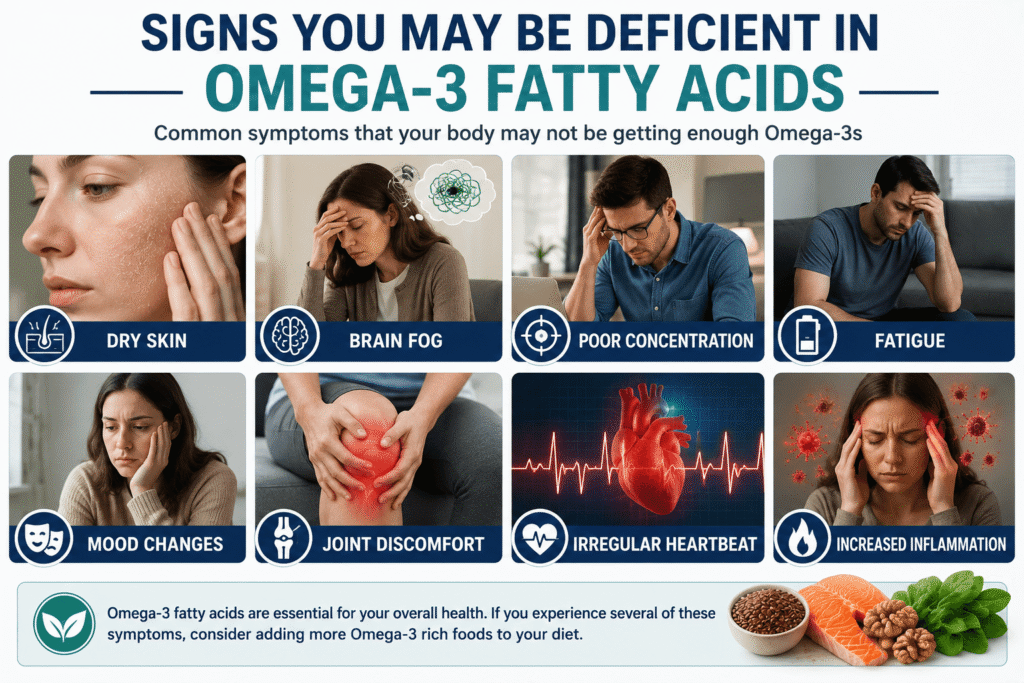
Omega-3 deficiency may not always be obvious, but common signs can include:
- Dry skin
- Brain fog
- Poor concentration
- Fatigue
- Mood changes
- Joint discomfort
- Irregular heartbeat
- Increased inflammation
For individuals with diabetes, inadequate Omega-3 intake may further complicate blood sugar management and cardiovascular health.
Best Plant-Based Sources of Omega-3 for Diabetics
Many people assume fish is the only good source of Omega-3. Fortunately, several plant-based foods provide substantial amounts of ALA Omega-3.
Top Sources Include:
- Flaxseeds
- Chia seeds
- Walnuts
- Hemp seeds
- Soybeans
- Mustard oil
- Canola oil
- Spinach
- Purslane
- Fenugreek seeds
These foods are widely available, affordable, and easy to incorporate into everyday meals.
Omega-3 Content in Foods (Per 100 Grams)
The following table shows the approximate Omega-3 content of various foods mentioned in this guide.
| Food Item | Omega-3 Content (g/100g) |
|---|---|
| Seaweed | 0.3 |
| Purslane | 0.4 |
| Tofu | 0.4 |
| Spinach | 1.0 |
| Mung Beans (Boiled) | 1.0 |
| Cabbage | 1.0 |
| Peas | 1.0 |
| Pumpkin Seeds | 1.0 |
| Fenugreek Seeds | 1.2 |
| Soybeans (Boiled) | 1.4 |
| Cauliflower | 2.0 |
| Kidney Beans | 2.0 |
| Navy Beans | 2.0 |
| Broccoli | 2.0 |
| Hemp Seeds | 8.7 |
| Mustard Oil | 8.7 |
| Walnuts | 9.1 |
| Canola Oil | 9.1 |
| Chia Seeds | 17.8 |
| Flaxseeds | 22.8 |
Glycemic Load of Omega-3 Rich Foods
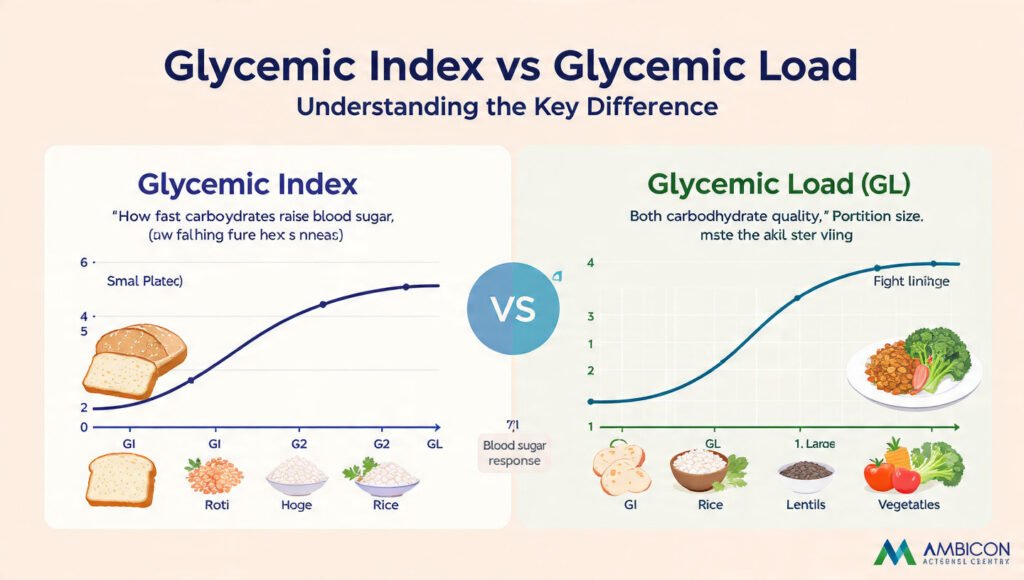
One major advantage of these foods is that most have a very low glycemic load.
A low glycemic load means the food has a minimal impact on blood sugar levels.
Glycemic Load Categories
- Low GL: 0–10
- Medium GL: 11–19
- High GL: 20+
For diabetes management, low glycemic load foods are generally preferred.
Glycemic Load Table of Omega-3 Rich Foods
| Food Item | Serving Size | Glycemic Load |
|---|---|---|
| Spinach | 100 g | 0.5 |
| Mung Beans | 100 g | 2.2 |
| Cabbage | 100 g | 6.0 |
| Peas | 100 g | 7.1 |
| Pumpkin Seeds | 15 g | 0.25 |
| Cauliflower | 100 g | 0.75 |
| Kidney Beans | 100 g | 2.4 |
| Navy Beans | 100 g | 3.2 |
| Broccoli | 100 g | 0.6 |
| Seaweed | 10 g | 0.3 |
| Purslane | 100 g | 0.5 |
| Tofu | 100 g | 3.0 |
| Fenugreek Seeds | 1 tsp | 3.0 |
| Soybeans | 100 g | 1.6 |
| Hemp Seeds | 10 g | 2.0 |
| Mustard Oil | 5 g | 0 |
| Walnuts | 14 g | 0.4 |
| Canola Oil | 5 g | 0 |
| Chia Seeds | 12 g | 0.01 |
| Flaxseeds | 10 g | 0.4 |
Best Omega-3 Foods for Blood Sugar Control
Flaxseeds
Flaxseeds are among the richest plant-based sources of Omega-3 fatty acids. With approximately 22.8 grams of Omega-3 per 100 grams and a very low glycemic load, they are an excellent choice for people with diabetes.
Recommended Daily Intake
1 tablespoon (approximately 10 grams)
Chia Seeds
Chia seeds provide significant amounts of Omega-3, fiber, and antioxidants.
Benefits include:
- Better satiety
- Improved digestion
- Stable blood sugar response
- Enhanced heart health
Recommended Daily Intake
1 tablespoon (12 grams)
Walnuts
Walnuts provide healthy fats, antioxidants, and Omega-3 fatty acids.
Benefits include:
- Improved cardiovascular health
- Reduced inflammation
- Better cognitive function
- Support for healthy blood sugar management
Recommended Daily Intake
5–7 walnut halves
Hemp Seeds
Hemp seeds provide a balanced nutritional profile including protein, healthy fats, minerals, and Omega-3 fatty acids.
They can easily be added to smoothies, yogurt, salads, or oatmeal.
How to Include Omega-3 Foods in a Diabetic Diet
Simple strategies include:
Breakfast
Add flaxseeds or chia seeds to yogurt or oatmeal.
Lunch
Sprinkle hemp seeds on salads.
Snacks
Eat walnuts as a healthy snack.
Dinner
Use mustard oil or canola oil for cooking.
Smoothies
Blend chia seeds with vegetables and low-glycemic fruits.
Small daily habits can produce meaningful long-term benefits.
Common Mistakes People Make When Consuming Omega-3
Many people unknowingly reduce the effectiveness of their Omega-3 intake.
Avoid these mistakes:
- Consuming excessive processed foods.
- Relying solely on supplements.
- Ignoring overall diet quality.
- Eating too many Omega-6-rich processed oils.
- Consuming sugary foods while expecting Omega-3 to compensate.
Omega-3 works best as part of a balanced diabetes-friendly lifestyle.
Can Omega-3 Cure Diabetes?
This is an important question.
Omega-3 fatty acids are not a cure for diabetes. However, they may support:
- Better insulin sensitivity
- Reduced inflammation
- Improved cardiovascular health
- Better triglyceride levels
- Enhanced overall metabolic function
When combined with healthy eating, exercise, stress management, and medical treatment, Omega-3 can become a powerful tool for diabetes management.
Conclusion
The relationship between Omega 3 and diabetes is becoming increasingly important as more research highlights the role of healthy fats in metabolic health. Omega-3 fatty acids support insulin sensitivity, reduce inflammation, promote heart health, and provide numerous benefits for people managing diabetes. Foods such as flaxseeds, chia seeds, walnuts, hemp seeds, soybeans, mustard oil, and canola oil offer excellent sources of Omega-3 while maintaining a low glycemic load, making them ideal additions to a diabetic diet.
Rather than focusing solely on reducing sugar intake, individuals with diabetes should also pay attention to the quality of fats they consume. By incorporating Omega-3-rich foods into daily meals, it is possible to support better blood sugar control, improve overall health, and reduce the risk of long-term diabetic complications. The key is consistency, balanced nutrition, and making informed dietary choices every day.
Frequently Asked Questions (FAQ) About Omega-3 and Diabetes
Is Omega-3 good for people with diabetes?
Yes. Omega-3 fatty acids may help improve insulin sensitivity, reduce inflammation, support heart health, and contribute to better metabolic function. They are an excellent addition to a diabetes-friendly diet.
Can Omega-3 lower blood sugar levels?
Omega-3 does not directly lower blood sugar like diabetes medications. However, it may help improve insulin function and glucose metabolism, which can contribute to better blood sugar control over time.
Which Omega-3 food is best for diabetes?
Flaxseeds, chia seeds, walnuts, hemp seeds, soybeans, and fatty fish are among the best Omega-3-rich foods for people with diabetes. These foods also provide additional nutrients such as fiber, protein, vitamins, and minerals.
How much Omega-3 should a diabetic consume daily?
Requirements vary by age, gender, and health status. Many health organizations recommend approximately 1.1 to 1.6 grams of Omega-3 per day for adults. Individuals with diabetes should consult their healthcare provider for personalized recommendations.
Are flaxseeds good for diabetes?
Yes. Flaxseeds are one of the richest plant-based sources of Omega-3 fatty acids and contain soluble fiber that may help support healthy blood sugar levels and digestive health.
Are chia seeds good for blood sugar control?
Yes. Chia seeds contain Omega-3 fatty acids, fiber, protein, and antioxidants. Their high fiber content may help slow glucose absorption and improve post-meal blood sugar responses.
Can Omega-3 reduce insulin resistance?
Research suggests that Omega-3 fatty acids may improve insulin sensitivity by supporting healthy cell membrane function and reducing chronic inflammation, both of which play important roles in insulin resistance.
What is the best time to take Omega-3 for diabetes?
Omega-3-rich foods can be consumed at any time of the day. Many people prefer adding flaxseeds or chia seeds to breakfast or consuming walnuts as snacks throughout the day.
Can Omega-3 prevent diabetic complications?
Omega-3 fatty acids may help reduce cardiovascular risk factors, improve triglyceride levels, and support overall health, which may contribute to lowering the risk of certain diabetes-related complications.
Is fish oil better than plant-based Omega-3 sources?
Fish oil provides EPA and DHA directly, while plant-based sources provide ALA. Both can be beneficial. Vegetarians and vegans often rely on flaxseeds, chia seeds, walnuts, and algae-based Omega-3 supplements.