
If you are searching for healthy recipes for diabetics, you are not alone. Diabetes is becoming increasingly common across the world, including in Pakistan and South Asia, and many families are now looking for meals that are both flavorful and blood-sugar friendly.
The good news is simple: having diabetes does not mean giving up delicious food.
With the right ingredients, balanced portions, and smart meal planning, you can enjoy everyday meals that taste great while helping maintain steady glucose levels.
In this guide, we will explore 5 healthy recipes for diabetics inspired by flavors and locally available ingredients. We’ll also discuss glycemic index, glycemic load, carbohydrate content, and how these meals can fit into a diabetes-friendly routine.
Let’s begin.
Table of Contents
Why Healthy Recipes for Diabetics Matter
Food has a direct impact on blood sugar.
When someone with diabetes eats foods high in refined carbohydrates or sugar, blood glucose can rise quickly. Over time, repeated spikes may become harder to manage.
That is why choosing healthy recipes for diabetics matters.
The best diabetic-friendly meals usually include:
- High fiber foods
- Lean proteins
- Healthy fats
- Low glycemic carbohydrates
- Fresh vegetables
- Controlled portions
These meals digest more slowly, helping the body release glucose gradually instead of causing sudden spikes.
What Is Glycemic Index (GI)?
The glycemic index (GI) measures how fast a carbohydrate-containing food raises blood sugar.
Foods are usually divided into three categories:
Low GI (55 or below)
These raise blood sugar slowly.
Examples:
- Lentils
- Chickpeas
- Oats
- Apples
Medium GI (56–69)
These raise blood sugar at a moderate speed.
Examples:
- Brown rice
- Whole wheat products
High GI (70 or above)
These raise blood sugar quickly.
Examples:
- White bread
- Sugary drinks
- White rice
For diabetes management, lower GI foods are often preferred.
What Is Glycemic Load (GL)?
While GI tells you how fast carbs affect blood sugar, glycemic load also considers how many carbs are in the serving.
Formula:
GL = (GI × Carbohydrates in grams) ÷ 100
This gives a more practical picture.
Glycemic Load categories:
- Low GL: 10 or less
- Medium GL: 11–19
- High GL: 20 or more
Example:
Watermelon has a high GI but low carbs per serving, so the GL stays lower.
That is why glycemic load is especially useful for meal planning.
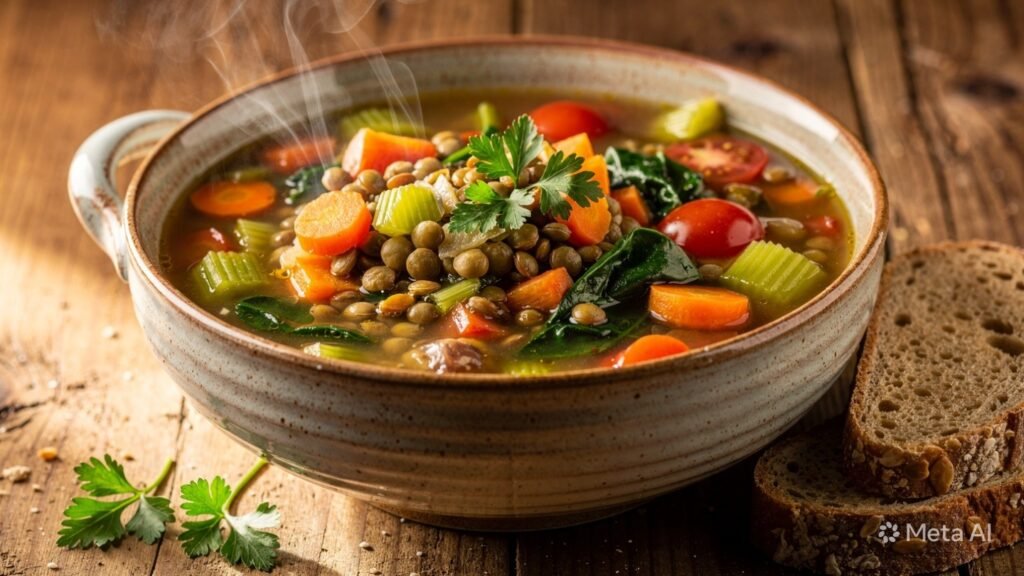
1. Lentil and Vegetable Soup – A Comforting High-Fiber Choice
This soup is warm, filling, and easy to digest.
In many South Asian homes, lentils are served with rice or roti. But turning them into soup with vegetables makes them even more diabetes-friendly.
Ingredients
- ½ cup red lentils or mung lentils
- Carrots
- Cabbage
- Bell peppers
- Garlic
- Ginger
- Turmeric
- Black pepper
- Water
Why it works
Lentils are rich in fiber and protein.
Turmeric contains curcumin, which may support insulin sensitivity.
Vegetables add nutrients and volume without many calories.
Benefits
✔ Keeps you full longer
✔ Supports digestion
✔ Helps reduce blood sugar spikes
✔ Easy on the stomach
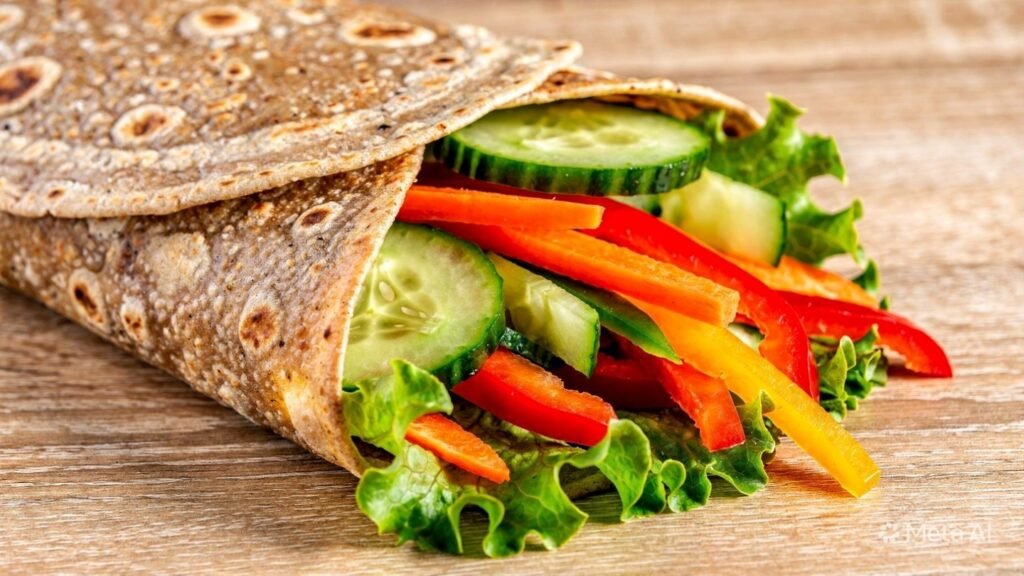
2. Vegetable Multigrain Chapati Roll
Roti is part of daily life in Pakistan and India.
But white flour can increase blood sugar quickly.
This healthier version uses multigrain flour.
Ingredients
- Multigrain flour (barley + millet + wheat)
- Boiled black-eyed beans
- Spinach
- Bell peppers
- Olive oil
- Coriander powder
- Cumin
- Green chili
Why it works
Multigrain flour offers:
- More fiber
- Slower digestion
- Better satiety
Beans add protein and support balanced glucose.
Benefits
✔ Great lunch option
✔ Portable and filling
✔ More nutritious than white flour roti
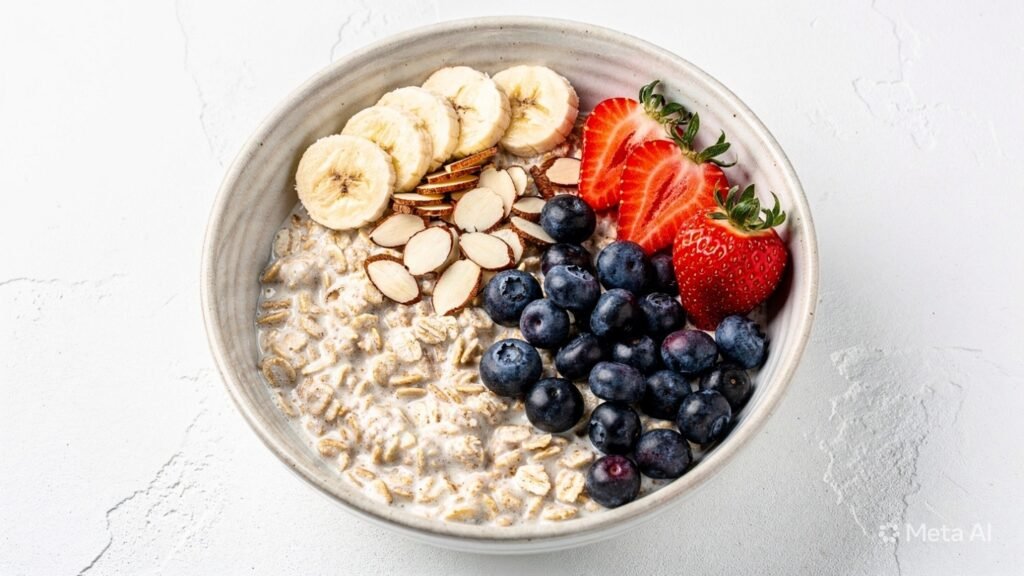
3. Oats with Almonds and Fruit
A quick diabetic-friendly breakfast.
Ingredients
- Unsweetened oats
- Water or low-fat milk
- Almonds
- Walnuts
- Strawberries or blueberries
- Optional: apple slices or pomegranate seeds
Why it works
Oats contain beta-glucan fiber.
This slows digestion and supports stable blood sugar.
Nuts provide healthy fats.
Fruit adds vitamins and natural sweetness.
Benefits
✔ Easy breakfast
✔ Long-lasting energy
✔ Helps reduce cravings
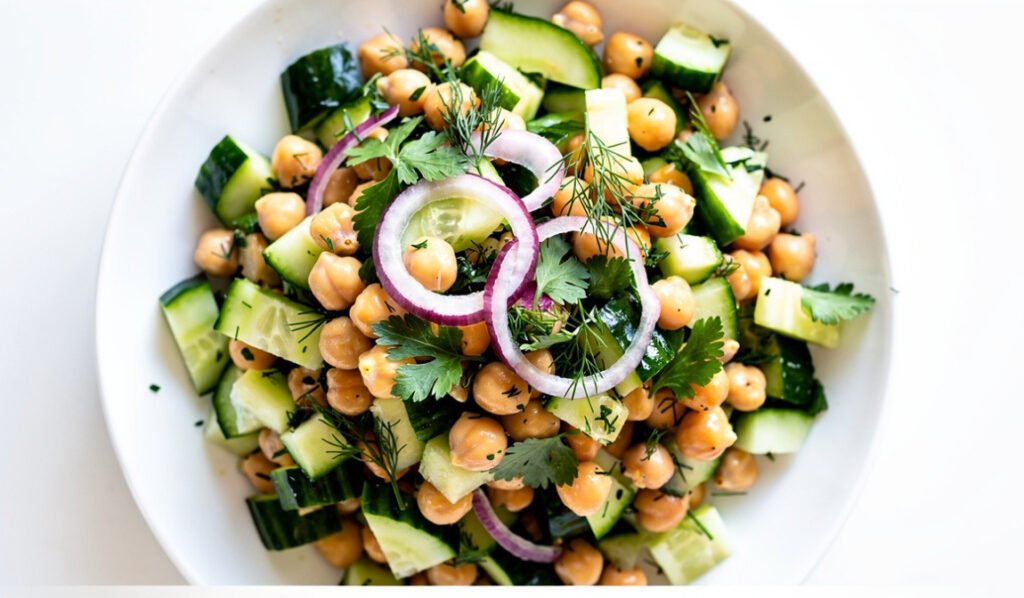
4. Chickpea and Cucumber Salad
Simple, refreshing, and affordable.
Ingredients
- Boiled chickpeas
- Cucumber
- Tomatoes
- Fresh coriander
- Lemon juice
- Black pepper
- Optional yogurt
Why it works
Chickpeas have a low GI and are rich in protein.
Cucumber adds hydration.
Lemon adds freshness.
Benefits
✔ Light but satisfying
✔ Great for lunch or snack
✔ Budget-friendly
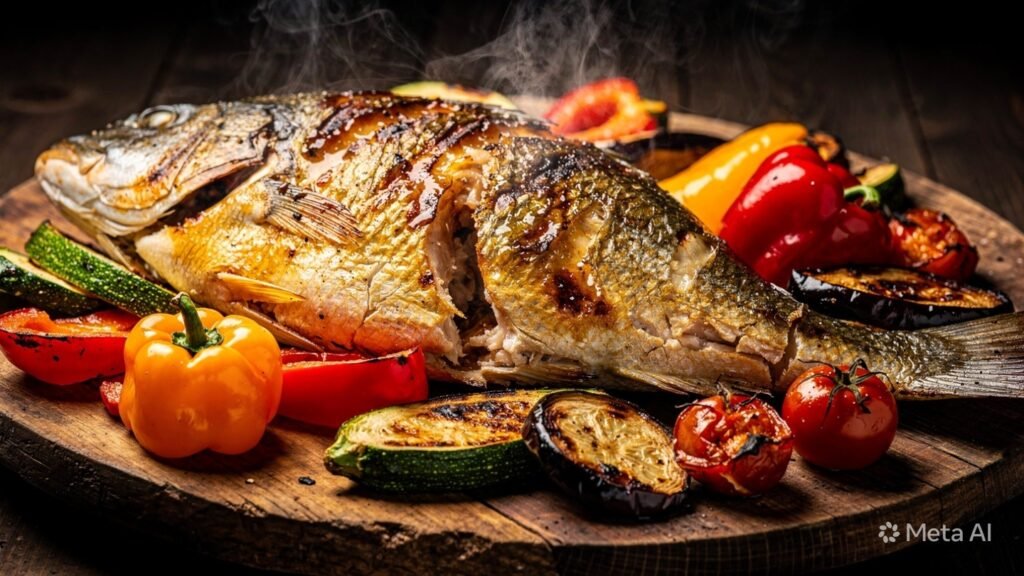
5. Grilled Fish and Vegetables
A protein-rich dinner option.
Ingredients
- Fish fillet
- Olive oil
- Lemon juice
- Turmeric
- Black pepper
- Cumin
- Broccoli
- Carrots
- Zucchini
- Bell peppers
Why it works
Fish provides omega-3 fats.
Vegetables keep carbs lower while adding fiber.
Benefits
✔ Supports heart health
✔ Excellent protein source
✔ Very low glycemic load
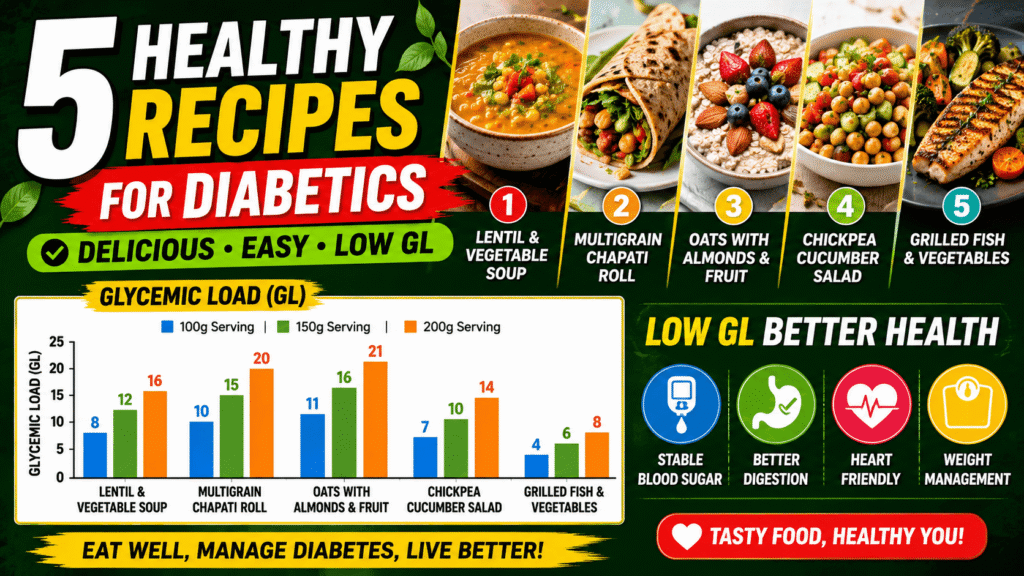
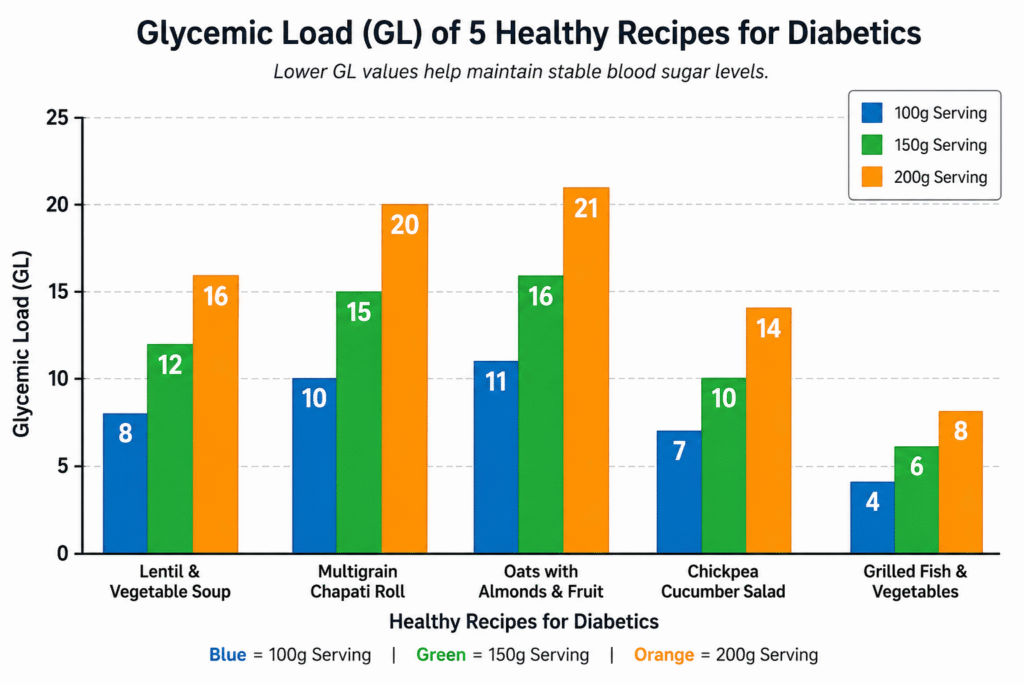
Glycemic Index, Carbs, and Glycemic Load Table
Here is a practical comparison based on your script.
| Recipe | Approx GI | Carbs (100g) | GL (100g) | GL (150g) | GL (200g) |
|---|---|---|---|---|---|
| Lentil & Vegetable Soup | 32 | 25g | 8 | 12 | 16 |
| Multigrain Chapati Roll | 50 | 20g | 10 | 15 | 20 |
| Oats + Almonds + Fruit | 55 | 20g | 11 | 16 | 21 |
| Chickpea Cucumber Salad | 28 | 25g | 7 | 10 | 14 |
| Grilled Fish & Vegetables | 20 | 8g | 4 | 6 | 8 |
Comparison of glycemic load (GL) values for different serving sizes of diabetic-friendly recipes
Which Recipe Has the Lowest Glycemic Load?
The winner is:
Grilled Fish and Vegetables
Because it combines:
- High protein
- Low carbs
- Fiber-rich vegetables
Second lowest:
Chickpea and Cucumber Salad
Excellent for daily use.
Higher options:
- Oats
- Multigrain chapati
Still healthy—just watch portion sizes.
Portion Control Tips for Diabetes
Even healthy foods matter in the right portions.
Helpful tips:
Use smaller plates
Makes portions easier to manage.
Fill half with vegetables
Less carb-heavy.
Add protein each meal
Protein slows digestion.
Avoid sugary drinks
Choose water or green tea.
Walk after meals
Even 15–20 minutes helps.
Sample Pakistani Diabetic Meal Plan
A well-structured diabetic meal plan plays an important role in maintaining stable blood sugar levels throughout the day. The goal is to balance carbohydrates, protein, fiber, and healthy fats while avoiding sudden glucose spikes.
Below is a practical Pakistani-style daily meal plan based on locally available foods, traditional flavors, and diabetes-friendly cooking methods.
Early Morning (Upon Waking)
Start your day gently to help stabilize metabolism:
- 1 glass of lukewarm water
- Optional: Fenugreek (methi) soaked water
- 5–6 soaked almonds (optional)
👉 This helps activate digestion and supports better morning glucose control.
Breakfast (7:00 AM – 9:00 AM)
A balanced breakfast is essential to avoid mid-morning sugar crashes.
Option 1: Oats Breakfast Bowl
- Unsweetened oats cooked in water or low-fat milk
- 5–6 almonds
- 2–3 walnuts
- Apple slices or pomegranate seeds
Option 2: Vegetable Omelette + Multigrain Toast
- 1–2 eggs with onions, tomatoes, spinach
- 1 slice multigrain bread
Drink:
- Unsweetened green tea or black tea (no sugar)
👉 Focus: High fiber + protein for slow glucose release
Mid-Morning Snack (10:30 AM – 11:30 AM)
Light snack to maintain energy levels:
- 1 medium apple OR
- 1 small guava OR
- A handful of roasted chickpeas (bhuna chana)
👉 These fruits and snacks have low to moderate glycemic impact.
Lunch (1:00 PM – 2:30 PM)
Lunch should be the most balanced meal of the day.
Main Meal:
- 1 bowl lentil and vegetable soup
- OR 1 serving chickpea salad
Carbohydrate Option:
- 1–2 multigrain chapatis
Side Items:
- Mixed salad (cucumber, tomato, onions)
- 1 small bowl plain yogurt (dahi)
👉 This meal provides protein, fiber, and healthy carbs in balanced portions.
Afternoon Snack (4:00 PM – 5:00 PM)
To avoid evening cravings:
- Roasted black chickpeas
- OR boiled corn (small portion)
- OR green tea + a few nuts
👉 Helps maintain steady blood sugar until dinner.
Dinner (7:00 PM – 8:30 PM)
Dinner should be lighter than lunch to prevent nighttime sugar spikes.
Main Dish:
- Grilled fish with lemon, turmeric, and spices
- OR grilled chicken (low oil)
Side Vegetables:
- Steamed or grilled:
- Broccoli
- Zucchini
- Cauliflower
- Bell peppers
Optional:
- 1 small multigrain roti (if needed)
👉 High protein + low carb dinner is ideal for diabetes control.
Post-Dinner Routine
A simple habit that makes a big difference:
- 10–20 minutes slow walking
- Avoid lying down immediately after eating
- Drink warm water if needed
Before Bed (Optional)
If you feel hungry:
- 1 glass warm milk (low-fat, no sugar)
- OR a few soaked almonds
Key Principles Behind This Meal Plan
Managing diabetes is not only about avoiding sugar; it is about creating a balanced eating pattern that supports stable blood glucose levels, provides adequate nutrition, and promotes long-term health. This Pakistani diabetic meal plan is designed around several evidence-based principles that can help individuals achieve better blood sugar control while still enjoying traditional foods.
✔ Low Glycemic Index Foods
The glycemic index (GI) measures how quickly a food raises blood sugar levels after consumption. Foods with a low GI are digested and absorbed more slowly, resulting in a gradual rise in blood glucose rather than a sudden spike.
Including low-GI foods in daily meals can help improve glycemic control, reduce insulin demand, and support sustained energy levels throughout the day.
Examples of low-glycemic foods commonly used in Pakistani cuisine include:
- Whole wheat chapati
- Barley (jau)
- Lentils (dal)
- Chickpeas (chana)
- Kidney beans (rajma)
- Brown rice
- Oats
- Non-starchy vegetables
- Apples, pears, and berries
Choosing low-GI foods regularly can contribute to more stable blood sugar levels and better diabetes management.
✔ High Fiber Intake
Dietary fiber plays an essential role in diabetes care because it slows the digestion and absorption of carbohydrates, helping to prevent rapid increases in blood sugar.
Fiber also promotes feelings of fullness, which may help control appetite and support healthy weight management.
Additional benefits of a high-fiber diet include:
- Improved insulin sensitivity
- Better digestive health
- Reduced cholesterol levels
- Lower risk of cardiovascular disease
- Enhanced satiety between meals
Excellent fiber-rich foods include:
- Vegetables
- Lentils
- Beans
- Whole grains
- Seeds
- Fruits with edible skins
- Bran-based products
Experts generally recommend aiming for at least 25–35 grams of fiber per day as part of a balanced diabetic diet.
✔ Controlled Carbohydrate Portions
Carbohydrates have the greatest impact on blood glucose levels, making portion control one of the most important aspects of diabetes management.
Rather than eliminating carbohydrates completely, this meal plan focuses on consuming appropriate amounts distributed evenly throughout the day.
Practical examples include:
- One medium chapati instead of three or four
- Half to one cup of cooked brown rice
- Measured servings of fruit
- Limiting sugary beverages and desserts
- Combining carbohydrates with protein and healthy fats
Consistent carbohydrate intake can help reduce blood sugar fluctuations and improve overall glucose control.
✔ Healthy Fats
Healthy fats are an important component of a diabetes-friendly diet because they provide energy, increase satiety, and have minimal direct effects on blood glucose.
Replacing unhealthy saturated and trans fats with healthier alternatives may also reduce the risk of heart disease, which is more common among people with diabetes.
Good sources of healthy fats include:
- Almonds
- Walnuts
- Pistachios
- Chia seeds
- Flaxseeds
- Olive oil
- Avocados
- Fatty fish such as salmon, sardines, and mackerel
These foods contain beneficial nutrients, including omega-3 fatty acids, which may support cardiovascular health and reduce inflammation.
✔ Regular Meal Timing
Maintaining consistent meal times can help regulate blood sugar levels and prevent large fluctuations throughout the day.
Skipping meals may lead to excessive hunger, overeating, or unstable glucose levels, especially in individuals taking diabetes medications or insulin.
A structured eating schedule may include:
- Breakfast within one to two hours of waking
- Balanced lunch and dinner at regular intervals
- Healthy snacks when necessary
- Avoiding long gaps between meals
- Eating similar amounts of carbohydrates each day
Regular meal timing supports better energy levels, improves metabolic balance, and can contribute to more predictable blood glucose patterns
This Pakistani diabetic meal plan is built on:
✔ Low glycemic index foods
✔ High fiber intake
✔ Controlled carbohydrate portions
✔ Healthy fats (nuts, olive oil, fish)
✔ Regular meal timing
Why This Meal Plan Works
- Prevents sudden blood sugar spikes
- Keeps energy stable throughout the day
- Supports weight management
- Improves digestion and satiety
- Fits traditional Pakistani food habits
Frequently Asked Questions (FAQ)
Which foods are healthiest for diabetics?
Foods rich in fiber and protein:
- Lentils
- Chickpeas
- Oats
- Fish
- Leafy vegetables
- Nuts
Can diabetics eat roti?
Yes.
Choose:
- Multigrain flour
- Whole wheat
- Controlled portions
Avoid refined white flour when possible.
Are oats good for diabetes?
Yes.
Oats contain beta-glucan fiber and digest slowly.
Avoid sugary instant oats.
Which recipe has the lowest glycemic load?
Grilled fish and vegetables.
Very low carb and rich in nutrients.
Why is glycemic load important?
Because it considers:
- How fast carbs affect sugar
- AND how much carbohydrate is in the serving
That makes it more practical.
Can diabetics eat fruit?
Yes.
Best options:
- Apples
- Berries
- Pomegranate
Watch portions.
Conclusion
Finding healthy recipes for diabetics does not mean eating bland or boring meals.
With simple ingredients like lentils, chickpeas, oats, vegetables, fish, and multigrain flour, you can prepare delicious meals that support blood sugar control while still enjoying familiar Pakistani flavors.
The key is balance:
Choose lower glycemic foods.
Watch portion sizes.
Stay active.
Eat consistently.
Small daily choices can make a meaningful difference.
These 5 healthy recipes for diabetics are practical, tasty, affordable, and easy to include in your routine.
Start with one recipe this week—and build healthy habits meal by meal.