
Managing diabetes doesn’t mean you have to give up your favorite foods—it simply means understanding what you eat, how much you eat, and how it affects your blood sugar. One such commonly misunderstood food is corn.
From makki ki roti in rural areas to cornflakes and popcorn in urban lifestyles, corn is everywhere. But the real question is:
👉 Is corn safe for diabetics?
👉 What is the glycemic load of corn products?
👉 Which corn-based foods spike blood sugar and which are safe?
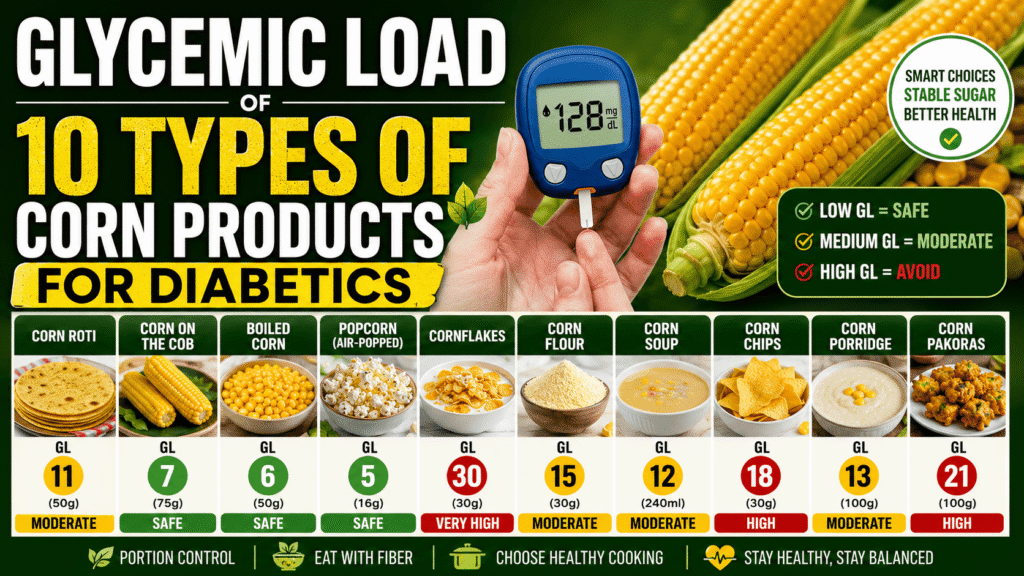
In this detailed guide, we will break down the glycemic load of 10 popular corn products, along with their calorie content, portion sizes, and practical advice—so you can make smarter dietary choices.
Table of Contents
What is Glycemic Load and Why Does It Matter?
Before diving into the list, let’s understand an essential concept: glycemic load (GL).
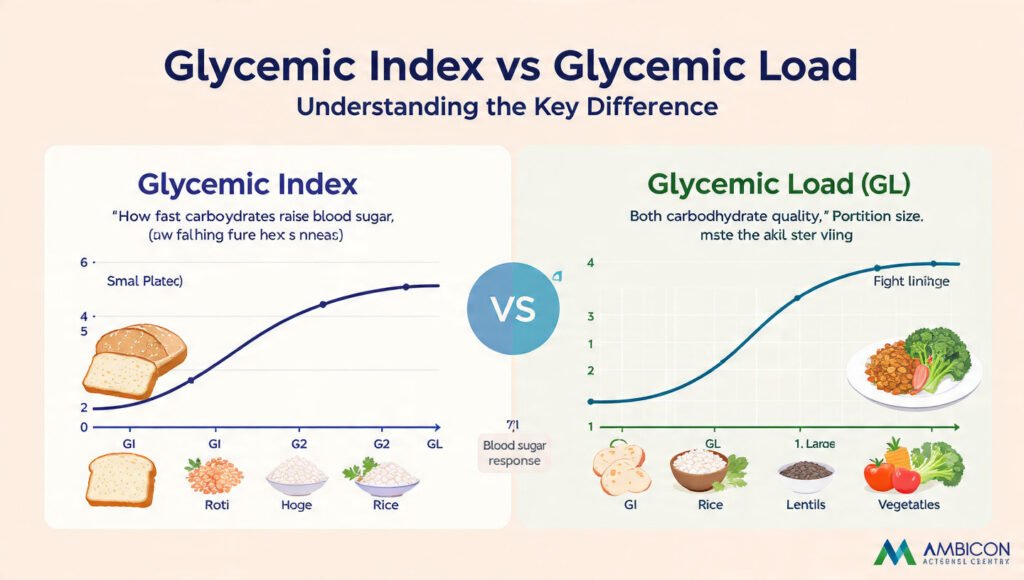
- Glycemic Index (GI) measures how quickly a food raises blood sugar.
- Glycemic Load (GL) considers both GI and portion size, making it more practical.
Simple Interpretation:
- Low GL (1–10): Safe for diabetics
- Medium GL (11–19): Consume in moderation
- High GL (20+): Avoid or limit strictly
👉 This is why focusing on glycemic load of corn products is far more useful than just GI.
Why Corn Can Be Risky for Diabetics
Corn is often seen as “natural,” but that doesn’t automatically make it safe.
Here’s the reality:
- Corn is rich in carbohydrates
- Carbs convert into glucose in the body
- Large portions can spike blood sugar quickly
However, not all corn products are equal. The form, preparation method, and portion size make a huge difference.
Table: Glycemic Load and Calories of Corn Products
Below is a comprehensive table based on your video script, showing how different corn foods affect blood sugar:
| Corn Product | Portion Size | Calories | Glycemic Load (GL) | Impact on Blood Sugar |
| Corn Roti | 50g (Half) | 100 | 11 | Moderate (Safe in small portion) |
| 100g (1 Roti) | 200 | 21 | High | |
| 150g (1.5 Roti) | 300 | 31 | Very High | |
| Corn on the Cob | 75g (Half) | 65 | 7 | Safe |
| 150g (1 Cob) | 130 | 14 | Moderate | |
| 225g (1.5 Cob) | — | 21 | High | |
| Boiled Corn | 50g | 48 | 6 | Safe |
| 100g | 96 | 12 | Moderate | |
| 150g | — | 18 | Moderate-High | |
| Popcorn (No Oil) | 2 Cups (16g) | 60 | 5 | Safe |
| 3 Cups (24g) | 90 | 8 | Safe | |
| 5 Cups (40g) | — | 13 | Moderate | |
| Cornflakes | 20g | 70 | 16 | Risky |
| 30g (1 Cup) | 110 | 30 | Very High | |
| 60g | — | 60 | Extremely High | |
| Corn Flour | 15g (1 tbsp) | 55 | 7 | Safe |
| 30g | — | 15 | Moderate | |
| 45g | — | 21 | High | |
| Corn Soup | 150 ml | 80 | 8 | Safe |
| 240 ml | 120 | 12 | Moderate | |
| 360 ml | — | 18 | Moderate-High | |
| Corn Chips | 20g | 100 | 12 | Harmful |
| 30g | 150 | 18 | Harmful | |
| 60g | 300 | 36 | Very Harmful | |
| Corn Porridge | 75g | 68 | 10 | Safe (No sugar added) |
| 100g | 90 | 13 | Moderate | |
| 150g | — | 19 | Moderate-High | |
| Corn Pakoras | 50g (2 pcs) | 125 | 10+ | Harmful |
| 100g (4 pcs) | 250 | 21 | High | |
| 150g (6 pcs) | 375 | 32+ | Very High |
Detailed Breakdown of Each Corn Product
1. Corn Roti (Makki ki Roti): Tradition with a Twist
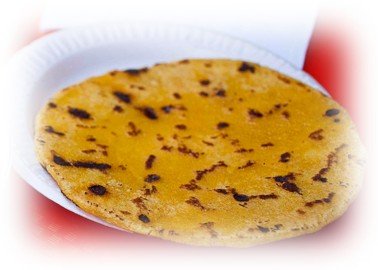
Corn roti is a staple in many households, especially in winter.
- Small portion (50g) → Acceptable
- Full roti (100g) → Starts increasing sugar
- Large portion (150g) → Dangerous spike
👉 Pro Tip: Pair it with fiber-rich vegetables like saag to slow glucose absorption.
2. Corn on the Cob: Natural but Not Always Harmless
Boiled or roasted corn seems healthy—and it is, in moderation.
- Half cob is safe
- Full cob is moderate
- More than one → Risky
👉 Portion control is everything here.
3. Boiled Corn: One of the Safer Options
Boiled corn without butter or salt is a relatively good choice.
- Low GL at small portions
- Becomes risky when overeaten
👉 Add lemon and spices instead of butter for better health.
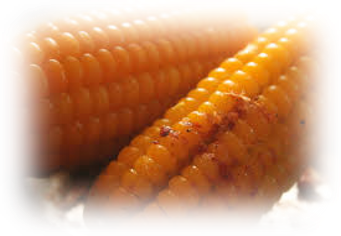
4. Popcorn: The Smart Snack (If Done Right)
Popcorn is surprisingly diabetic-friendly—but only when:
- Air-popped
- No butter, no oil
👉 Avoid cinema-style popcorn—it’s loaded with fats and salt.

5. Cornflakes: The Hidden Sugar Bomb
This is where most people go wrong.
- Even small portions are risky
- Large portions cause rapid blood sugar spikes
👉 Better Alternative: Oats or low-GI cereals.

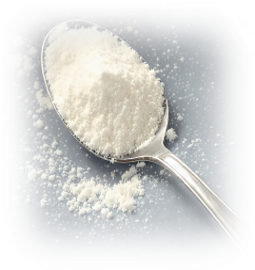
6. Corn Flour: Small Quantity Matters
Corn flour is often used in soups and gravies.
- Safe in small amounts
- Quickly becomes harmful when increased
👉 Always measure your quantity.
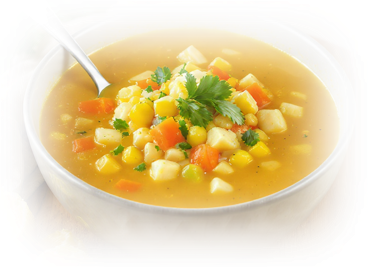
7. Corn Soup: Comfort Food with Conditions
Corn soup can be healthy if:
- Not thickened with excess corn flour
- Portion is controlled
👉 Avoid creamy or processed versions.
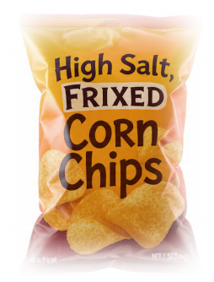
8. Corn Chips: A Clear No for Diabetics
Corn chips are:
- Fried
- High calorie
- High glycemic load
👉 They spike both blood sugar and weight.
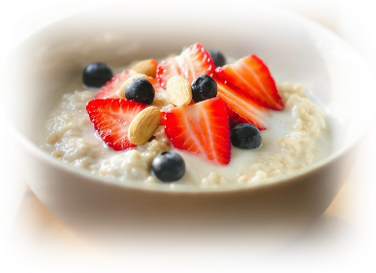
9. Corn Porridge: Healthy If Sugar-Free
Corn porridge can be a good breakfast—only if:
- No sugar added
- Portion controlled
👉 Add nuts or seeds for better nutrition.
10. Corn Pakoras: Double Trouble (Carbs + Oil)
These are:
- Deep-fried
- High glycemic load
- High calories
👉 Best avoided completely.

Best Corn Products for Diabetics
✅ Safe Options:
- Boiled corn (small portions)
- Air-popped popcorn
- Corn porridge (without sugar)
- Corn soup (light version)
Worst Corn Products for Diabetics
❌ Avoid These:
- Cornflakes
- Corn chips
- Corn pakoras
- Large portions of corn roti
How to Eat Corn Without Spiking Blood Sugar
Here are some practical tips:
1. Control Portion Size
Even healthy corn becomes harmful in excess.
2. Combine with Fiber
Eat with vegetables or salads.
3. Avoid Processed Corn Foods
They are high in sugar and unhealthy fats.
4. Choose Healthy Cooking Methods
Boiled, roasted, or steamed is best.
Common Mistakes Diabetics Make with Corn
When it comes to managing diabetes, even small dietary mistakes can lead to big spikes in blood sugar levels. Corn is one of those foods that often confuses people. It looks harmless, it’s natural, and it’s widely consumed—but when eaten incorrectly, it can quietly disrupt your glucose control.
Most diabetics don’t struggle because they eat “bad” foods. They struggle because they don’t fully understand how certain foods behave inside the body.
In this section, we’ll go deeper into the most common mistakes diabetics make with corn, and more importantly, how to avoid them.
1. Assuming “Natural = Safe”
This is the biggest myth.
Many people believe that if something is natural, it cannot harm blood sugar. Corn grows from the earth, so it must be safe—right?
❌ Wrong assumption.
Corn is naturally high in carbohydrates, and carbohydrates convert into glucose once digested.
👉 Reality Check:
Even natural foods can have a high glycemic load, especially when eaten in large quantities.
What You Should Do Instead
- Focus on portion control
- Always consider the glycemic load of corn products
- Pair corn with fiber or protein
2. Eating Large Portions Without Realizing the Impact
Corn is often eaten casually:
- A full corn cob
- Two rotis instead of one
- A big bowl of popcorn
The problem is not corn itself—it’s how much you eat.
👉 A small portion may be safe, but doubling the portion can double or triple the glycemic load.
Why This Matters
- Blood sugar spikes don’t always happen immediately
- Large portions lead to delayed glucose rise, which is harder to control
Smart Strategy
- Stick to small servings (50–75g)
- Use a plate method (half vegetables, quarter protein, quarter carbs)
3. Choosing Processed Corn Foods Over Whole Corn
This is where most people unknowingly make harmful choices.
Processed Corn Foods Include:
- Cornflakes
- Corn chips
- Packaged popcorn
- Corn-based snacks
These foods are:
- Low in fiber
- High in refined carbs
- Often loaded with salt, sugar, or unhealthy fats
👉 Result: Rapid and sharp blood sugar spikes.
Better Alternative
Choose whole corn options like:
- Boiled corn
- Roasted corn
- Homemade popcorn (without oil)
4. Ignoring Glycemic Load Completely
Many diabetics only look at calories or avoid sugar, but forget about glycemic load.
👉 This is a serious mistake.
Even if a food looks “light,” it can still have a high glycemic load.
Example
- Cornflakes seem light → but have very high GL
- Boiled corn seems heavy → but can be moderate or low GL in small portions
What You Should Do
- Learn to read food in terms of GL, not just calories
- Prefer foods with low to moderate glycemic load
5. Not Combining Corn with Fiber or Protein
Eating corn alone is another mistake.
👉 When eaten alone, corn digests quickly and raises blood sugar faster.
Better Approach
Always combine corn with:
- Fiber: Vegetables, salads
- Protein: Eggs, chicken, yogurt
Why This Works
- Slows down digestion
- Reduces glucose spikes
- Keeps you full longer
6. Adding Butter, Oil, and Cream Excessively
Let’s be honest—corn tastes better with butter, right?
But for diabetics, this can be dangerous.
Hidden Problem
- Adds extra calories
- Increases insulin resistance
- Leads to weight gain
👉 Especially risky with:
- Buttered corn
- Creamy corn soup
- Fried corn snacks
Healthier Options
- Use lemon, spices, or herbs
- Avoid deep frying
7. Drinking Corn Instead of Eating It
Corn in liquid form (like soups or blended meals) is digested faster.
👉 This leads to quicker sugar absorption.
Example
- Whole corn → slower digestion
- Corn soup → faster sugar spike
Better Practice
- Prefer solid forms over liquid
- If drinking soup, keep it light and portion-controlled
8. Skipping Blood Sugar Monitoring After Eating Corn
Many diabetics don’t check their sugar after meals.
👉 This leads to guesswork instead of control.
Why Monitoring is Important
- Everyone’s body reacts differently
- You can identify your safe portion size
Pro Tip
Check blood sugar:
- Before eating
- 1–2 hours after eating corn
9. Thinking “Occasionally” Means Unlimited
People often say:
👉 “I only eat corn once in a while, so it’s okay.”
But when they do eat it:
- They overeat
- They choose unhealthy forms
Reality
Occasional eating does not mean unlimited eating.
Better Mindset
- Even occasional foods need control and planning
10. Ignoring Cooking Methods
How you cook corn matters just as much as what you eat.
Unhealthy Methods
- Deep frying (pakoras, chips)
- Heavy butter roasting
Healthy Methods
- Boiling
- Steaming
- Dry roasting
👉 Cooking method can increase or decrease glycemic impact.
11. Not Reading Food Labels Carefully
Packaged corn products often contain hidden ingredients:
- Added sugars
- Preservatives
- Refined starch
👉 These can significantly increase the glycemic load of corn products.
What to Check
- Total carbohydrates
- Added sugar
- Fiber content
12. Replacing Healthy Meals with Corn-Based Foods
Some people make corn the main part of their meal.
👉 This leads to:
- Nutrient imbalance
- High carbohydrate intake
Balanced Plate Rule
- 50% vegetables
- 25% protein
- 25% carbs (including corn)
13. Ignoring Individual Body Response
Not all diabetics respond the same way to corn.
👉 What works for one person may not work for another.
Important Insight
- Some may tolerate corn well
- Others may see rapid spikes
Best Approach
- Track your personal response
- Adjust your diet accordingly
14. Eating Corn Late at Night
Late-night consumption of corn can be problematic.
👉 Your metabolism slows down at night, making sugar control harder.
Better Timing
- Eat corn during daytime or lunch
- Avoid heavy carb intake before bed
15. Lack of Awareness and Education
Ultimately, all these mistakes come down to one thing:
👉 Lack of awareness
Many diabetics are simply not educated about:
- Glycemic load
- Portion control
- Food combinations
Nutrient Content of Corn Products and Their Importance for Diabetics
Understanding glycemic load alone is not enough. For diabetics, it is also important to know the nutritional composition of corn products—especially carbohydrates, fiber, protein, and fat.
This table will help you understand how different corn foods affect your blood sugar stability, satiety, and overall metabolic health.
Nutrient Breakdown Table of Common Corn Products
| Corn Product | Serving Size | Carbohydrates (g) | Fiber (g) | Protein (g) | Fat (g) | Diabetes Impact Summary |
| Corn Roti (Makki Roti) | 100g | 40–45g | 4–6g | 4–5g | 2–3g | Moderate carbs, better with fiber foods |
| Corn on the Cob | 150g | 27–30g | 3–4g | 4g | 1.5g | Natural carbs, moderate GI effect |
| Boiled Corn | 100g | 20–22g | 2–3g | 3g | 1.5g | Better choice if portion controlled |
| Popcorn (Air-Popped) | 30g (3 cups) | 18–20g | 3–4g | 3g | 1g | High fiber, low fat (best snack option) |
| Cornflakes | 30g | 24–27g | 1g | 2g | 0.5g | Low fiber, high sugar spike risk |
| Corn Flour | 30g | 25g | 1–2g | 2g | 1g | Refined carbs, should be limited |
| Corn Soup | 240 ml | 20–25g | 2g | 3–4g | 2–3g | Depends on preparation method |
| Corn Chips | 30g | 20g | 1–2g | 2g | 8–10g | High fat + refined carbs (avoid) |
| Corn Porridge | 100g | 18–20g | 2–3g | 2–3g | 1g | Moderate carbs, better without sugar |
| Corn Pakoras | 100g | 30g | 2g | 5g | 15–18g | High fat + high carbs (very risky) |
What This Nutrient Table Tells Diabetics
From the table above, we can clearly see:
1. Fiber is the Key Factor
- Foods like popcorn and boiled corn contain better fiber.
- Fiber slows down glucose absorption.
2. Fat Content Matters
- Corn chips and pakoras are high in fat.
- High fat + high carbs = worse blood sugar control.
3. Refined Corn is Risky
- Cornflakes and corn flour are highly processed.
- They digest quickly → fast sugar spike.
4. Whole Corn is Better
- Whole forms like boiled corn and corn on the cob are more balanced.
Why This Nutrient Table is Important for Diabetes Control
For diabetics, managing food is not just about calories. It is about:
- How fast sugar enters the blood
- How long energy stays stable
- How much insulin is needed
👉 Foods with higher fiber and lower fat spikes are safer choices
👉 Processed corn foods should be limited or avoided
Simple Rule to Remember
👉 Whole corn = safer option
👉 Processed corn = higher risk
Conclusion: Balance is Better Than Elimination
Corn is not your enemy—but ignorance is.
The truth is:
✔ Some corn foods can be eaten safely
❌ Others can spike your blood sugar dangerously
The smart approach is to focus on:
- Portion control
- Cooking method
- Glycemic load awareness
👉 Instead of eliminating corn, aim for balance and moderation.
Stay mindful, stay healthy, and remember:
Your diet should be balanced—not sweet.
Frequently Asked Questions (FAQs)
1. Is corn good for diabetics?
Corn can be consumed in small portions, but it must be monitored due to its carbohydrate content.
2. Which corn product is safest for diabetics?
Boiled corn and air-popped popcorn (without oil) are among the safest options.
3. Why are cornflakes bad for diabetics?
Cornflakes have a high glycemic load, which causes rapid spikes in blood sugar.
4. Can diabetics eat corn roti daily?
It’s better to eat it occasionally and in small portions, not daily.
5. What is the ideal portion of corn for diabetics?
A small portion (low glycemic load) is ideal—usually under 50–75 grams.
6. Are corn chips safe for diabetes?
No, they are fried and high in both calories and glycemic load.
7. Does boiling corn reduce sugar impact?
Boiling doesn’t remove carbs, but it avoids adding unhealthy fats, making it a better option.
8. Can corn increase blood sugar quickly?
Yes, especially in large portions or processed forms.
9. Is corn soup healthy for diabetics?
Yes, if consumed in moderation and not overly thickened.
10. What is the best way to eat corn for diabetics?
Boiled or roasted, in small portions, combined with fiber-rich foods.