
Fruit chaat is one of the most popular fruit-based snacks in Pakistan, especially during Ramadan. A bowl of freshly chopped apples, bananas, guavas, pomegranates, and grapes mixed with lemon juice and chaat masala can be refreshing, colourful, and delicious. However, people living with diabetes often have an important question: Is fruit chaat good for diabetes, or can it raise blood sugar too much?
The answer depends on the fruits you choose, the quantities you eat, the ingredients you add, and your individual response to carbohydrates. Whole fruits provide fibre, vitamins, minerals, and beneficial plant compounds, but they also contain carbohydrates that contribute to blood glucose levels.
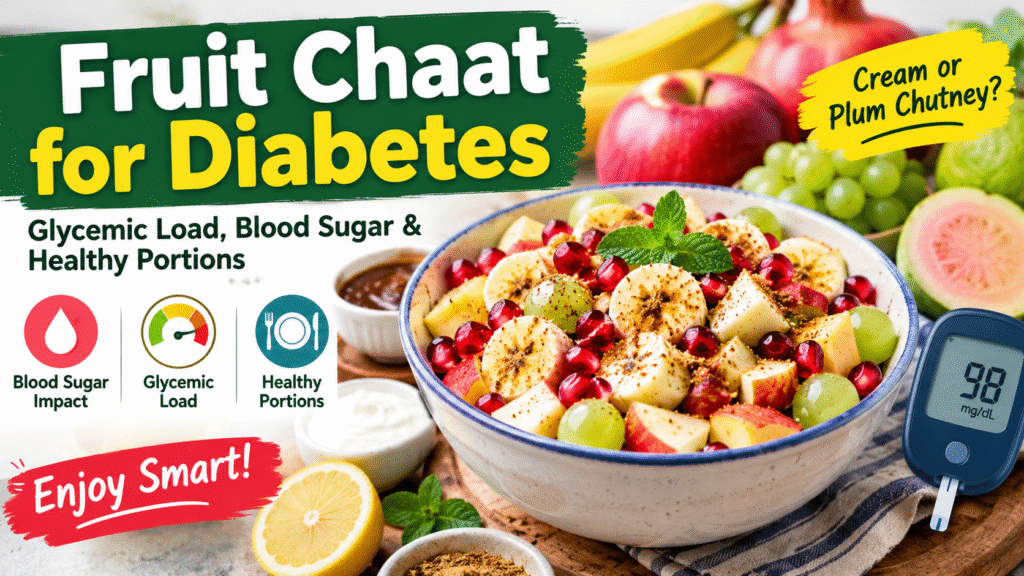
Understanding the glycemic load of fruit chaat can help you make more informed food choices. Instead of avoiding all fruits, you can focus on sensible portions, limit added sugar, and prepare fruit chaat in a way that fits your diabetes meal plan.
In this guide, we will explore the nutritional value of fruit chaat, the role of glycemic index and glycemic load, the potential effects of different fruits on blood sugar, the differences between cream and plum chutney, and practical ways to prepare fruit chaat for diabetes.
Table of Contents
1. Is Fruit Chaat Good for Diabetes?
Yes, people with diabetes can generally include whole fruits in a balanced diet, and fruit chaat can be one way to enjoy them. However, the portion size and ingredients matter.
Fruit contains naturally occurring sugars, including glucose, fructose, and sucrose in varying proportions. It also provides water, fibre, vitamins, and minerals. The carbohydrates in fruit can raise blood glucose, but this does not mean that all fruits should be avoided.
The main concern is that a large bowl of fruit chaat may contain several servings of fruit at once. For example, combining two bananas, one apple, one guava, one pomegranate, and a generous quantity of grapes can provide substantially more carbohydrates than eating one small serving of fruit.
For someone with diabetes, the following practices may help:
- Control the portion size: Start with a modest serving that fits your individual carbohydrate requirements.
- Choose whole, fresh fruits: Prefer freshly chopped fruit over fruit preserved in syrup or sweetened canned fruit.
- Avoid added sugar: Check whether the plum chutney or other ingredients contain sugar.
- Pay attention to total carbohydrates: The combined quantity matters more than the reputation of any single fruit.
- Monitor your individual response: If you use a glucose meter or continuous glucose monitor, your readings can help you understand how a particular meal affects you.
Fruit chaat does not need to be completely removed from a diabetes meal plan. The goal is to prepare it thoughtfully and enjoy an appropriate amount.
2. What Is the Glycemic Index of Fruit Chaat?

The glycemic index (GI) is a measure of how quickly a carbohydrate-containing food raises blood glucose compared with a reference food, usually glucose.
Foods with a low GI have a value of 55 or less, foods with a medium GI generally fall between 56 and 69, and foods with a high GI have a value of 70 or above.
However, there is an important limitation: the glycemic index alone does not tell you how much carbohydrate you consume in a normal serving.
For example, a food can have a relatively low GI but still contribute a substantial amount of carbohydrate when eaten in a large quantity. Conversely, a higher-GI food may contribute less carbohydrate when consumed in a small portion.
Fruit chaat is also not a single standardized food. Its GI can vary according to the fruit combination, ripeness, preparation, and other ingredients. Therefore, assigning one universal GI value to every fruit chaat recipe would be misleading.
Rather than relying on a single GI number, it is more useful to consider the ingredients, serving size, available carbohydrates, and estimated glycemic load.
3. What Is the Glycemic Load of Fruit Chaat?
The glycemic load (GL) combines the glycemic index of a food with the amount of available carbohydrate in the portion being eaten.
The usual calculation is:
Glycemic load = GI × available carbohydrates in grams ÷ 100
Available carbohydrates are the carbohydrates that can be digested and absorbed, rather than the fibre component.
Glycemic load is often classified as follows:
- Low GL: 10 or less
- Medium GL: 11–19
- High GL: 20 or more
These categories are commonly used for individual food portions. They are useful for comparing servings, but they should not be interpreted as medical safety limits or guarantees about an individual’s blood glucose response.
Why does the glycemic load of fruit chaat matter?
Consider a bowl containing several different fruits. Each fruit contributes carbohydrates, and the combined quantity may produce a much higher glycemic load than a small serving of any one fruit.
Adding sweetened plum chutney may increase the carbohydrate content further. Adding cream may change the meal’s fat and calorie content, but it does not automatically remove the carbohydrates from the fruit.
This is why the glycemic load of fruit chaat depends on the entire recipe and the amount consumed, not just the name of the dish.
It is also important to remember that glycemic load is an estimate. The calculated value of a homemade fruit chaat should not be presented as an exact prediction of how much an individual’s blood sugar will rise.
4. Nutritional Value of Fruit Chaat Ingredients
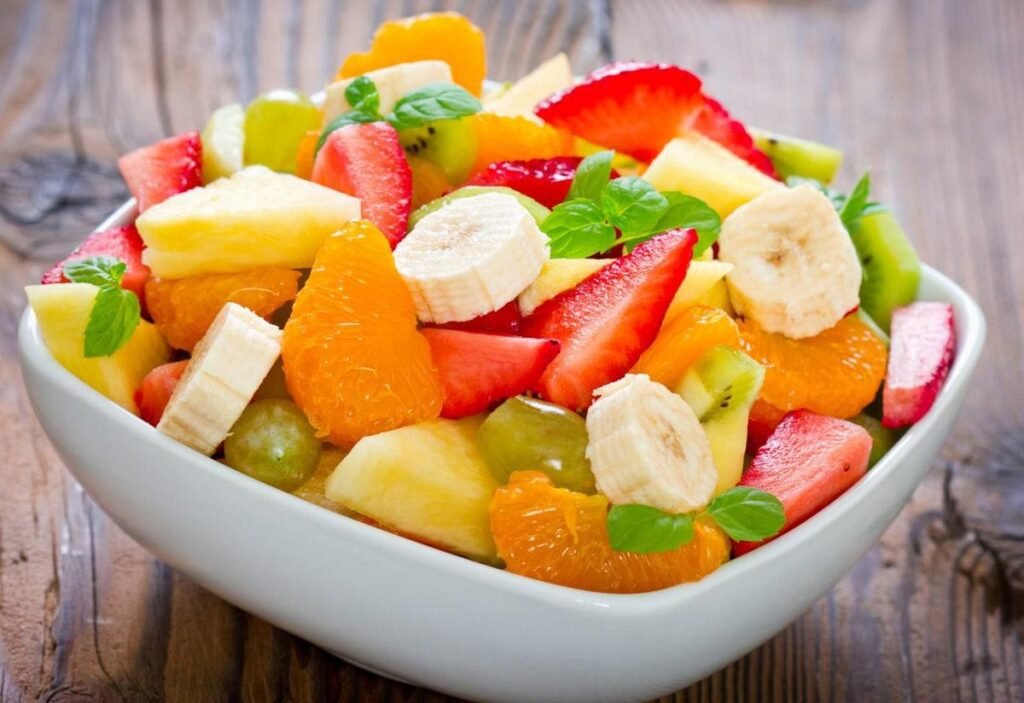
A traditional Pakistani fruit chaat may contain apples, guavas, pomegranates, bananas, grapes, lemon juice, chaat masala, and plum chutney.
Each ingredient contributes a different combination of nutrients and carbohydrates.
| Ingredient | Nutritional benefits | Considerations for diabetes |
| Apple | Fibre, vitamin C, and plant compounds | Provides carbohydrates; portion size matters |
| Guava | Fibre, vitamin C, and other micronutrients | Can be a useful fruit choice when eaten in a suitable portion |
| Pomegranate | Fibre, potassium, and polyphenols | The edible seeds contribute carbohydrates |
| Banana | Potassium, vitamin B6, and carbohydrates | Size and ripeness influence the carbohydrate content |
| Grapes | Water, vitamin K, and plant compounds | Small grapes are easy to eat in large quantities |
| Lemon juice | Vitamin C and flavour | Usually contributes little carbohydrate in typical recipe quantities |
| Plum chutney | Flavour and, depending on the recipe, fruit-derived nutrients | Commercial or homemade versions may contain added sugar |
| Cream | Fat and energy; composition varies by product | Adds calories and saturated fat, and may contain some carbohydrates |
The nutritional value of fruit chaat is not determined by its sugar content alone. Whole fruits provide nutrients that can be valuable in a balanced diet. The challenge is to combine them in quantities appropriate for the individual.
5. How Do Different Fruits Affect Blood Sugar?
One of the most common mistakes when preparing fruit chaat is using large quantities of several fruits without considering their combined carbohydrate content.
Let’s examine the fruits commonly used in Pakistani fruit chaat.
Apples
Apples provide fibre, including pectin, along with water and vitamin C. Eating an apple whole is generally preferable to drinking its juice because whole fruit retains its natural structure and fibre.
For fruit chaat, a small or moderate amount of chopped apple can add sweetness and texture without requiring large quantities of other fruits.
Guavas
Guavas are a useful option because they provide fibre and vitamin C. Their carbohydrate contribution still counts, but a suitable serving can fit into many diabetes meal plans.
Adding guava can also make fruit chaat more filling and flavourful.
Pomegranates
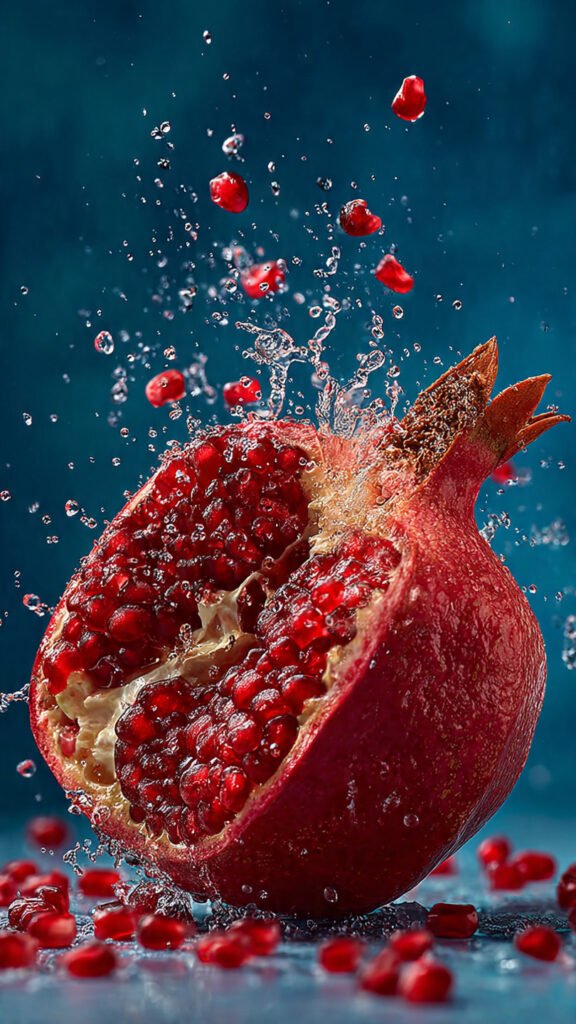
Pomegranate seeds add colour, texture, and a sweet-tart flavour. However, using the seeds of an entire large pomegranate may contribute considerably more carbohydrates than adding a small measured portion.
You do not need to eliminate pomegranate. Instead, consider how much you are adding to the entire bowl and how much of that bowl you will eat.
Bananas

Bananas contain carbohydrates, potassium, and vitamin B6. Their effect on blood glucose depends on the quantity eaten, ripeness, and the rest of the meal.
Adding two whole bananas to a fruit chaat containing several other fruits can substantially increase the total carbohydrate content.
A practical approach is to use a few slices rather than automatically adding two whole bananas.
Grapes
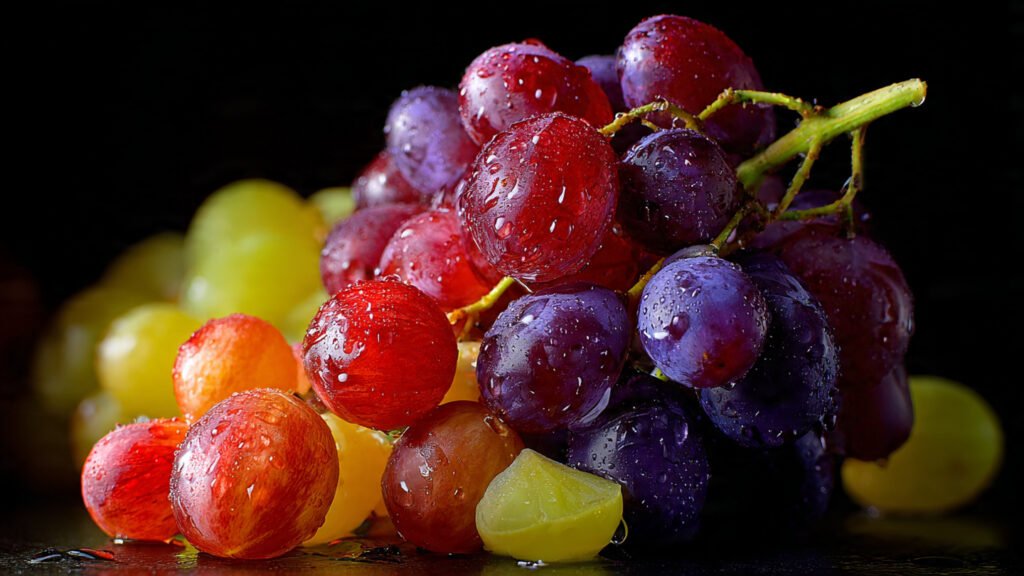
Grapes are nutritious, but their small size makes it easy to eat a large quantity without noticing.
Measuring the amount before adding grapes to fruit chaat can help prevent the carbohydrate content from becoming higher than intended.
The key principle is simple: no single fruit needs to be labelled universally good or bad for diabetes. The amount, total carbohydrate intake, and your individual needs matter.
6. Fruit Chaat with Plum Chutney: Is It Suitable for Diabetes?
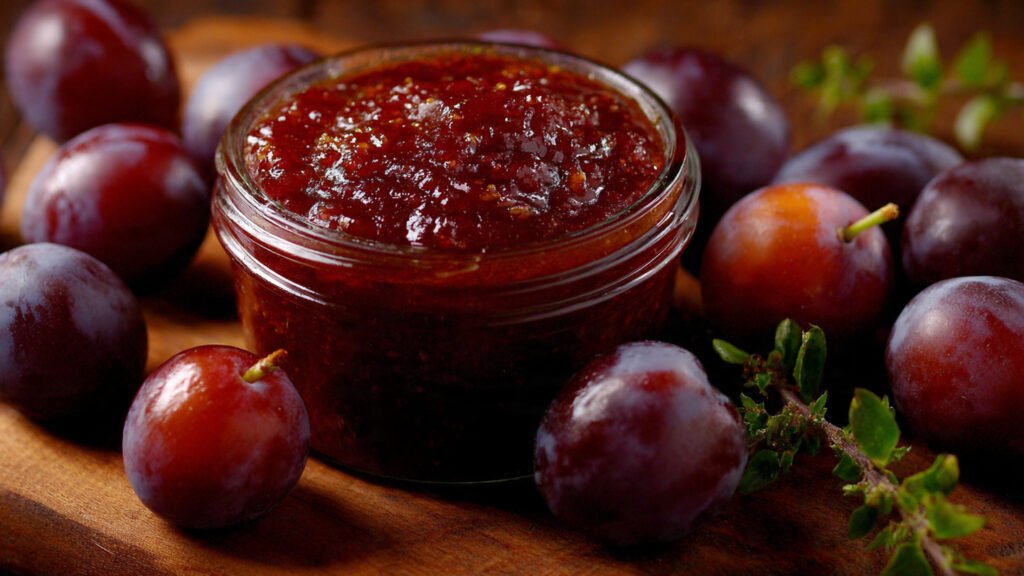
Plum chutney is a common addition to Pakistani fruit chaat. Its sweet and tangy flavour can make the dish more appealing, but its ingredients deserve attention.
Some chutney recipes contain only plums, spices, and other unsweetened ingredients. Others include sugar, jaggery, dates, or sweetened concentrates.
These recipes can have different carbohydrate contents.
Does plum chutney increase the glycemic load?
It can, particularly when added sugar is used. The amount of chutney also matters.
For a more diabetes-conscious recipe:
- Use a small quantity of unsweetened plum chutney.
- Check commercial chutney labels for added sugar and total carbohydrates.
- Avoid adding extra sugar, honey, or sweet syrups.
- Use lemon juice and spices to create a stronger flavour without relying on additional sweetness.
Remember that naturally occurring sugar also contributes to total carbohydrate intake. A chutney made without added sugar is not carbohydrate-free, but it may contain less carbohydrate than a heavily sweetened version.
When estimating the glycemic load of fruit chaat, include the chutney rather than calculating only the fresh fruits.
7. Fruit Chaat with Cream vs Plum Chutney
Cream-based fruit chaat is another popular choice in Pakistan, particularly during Ramadan. Some people assume that adding cream makes fruit chaat better for blood sugar because fat can slow gastric emptying and affect the rate at which carbohydrates are absorbed.
There is some physiological basis for this explanation, but the conclusion needs to be understood carefully.
Cream does not cancel out the carbohydrates in fruit. Depending on the type and quantity used, it can substantially increase the total calories and saturated fat in the dish. Cream also varies in carbohydrate content according to its composition and whether it contains added sugar.
| Feature | Fruit chaat with plum chutney | Fruit chaat with cream |
| Main additional nutrient | Carbohydrates vary by recipe | Fat and calories |
| Added sugar | May be high in sweetened recipes | Depends on whether sugar or sweetened cream is used |
| Effect on digestion | Depends on the whole meal | Fat may slow gastric emptying |
| Total carbohydrate content | Depends on fruit and chutney quantities | Fruit carbohydrates remain; cream may add some more |
| Main consideration | Check the sugar content and serving size | Consider calories, saturated fat, and serving size |
Which option is better for blood sugar?
There is no universal winner. A small amount of unsweetened plum chutney may be a more suitable choice than a large serving of sweetened cream, while a small amount of unsweetened cream may be appropriate for some people depending on their dietary needs.
The more useful comparison is based on the actual ingredients, total carbohydrates, calories, and portion sizes.
Do not assume that cream makes a high-carbohydrate fruit chaat safe for diabetes. Fat may delay the rise in blood glucose in some circumstances, and the resulting glucose pattern may be more prolonged. The overall response varies between individuals.
8. How Much Fruit Chaat Can a Person with Diabetes Eat?
There is no single portion size suitable for every person with diabetes. The appropriate quantity depends on individual carbohydrate requirements, medication, activity level, glucose response, and the rest of the meal.
However, you can make portion control easier by preparing fruit chaat from measured ingredients instead of mixing a large quantity and serving it without measurement.
Start with a modest serving
A small bowl containing a measured portion of chopped fruit may be easier to fit into a meal plan than a large bowl containing five different fruits.
For example, you could combine a few apple pieces, a small quantity of guava, and a measured amount of pomegranate seeds. Add only a few banana slices or grapes if desired.
This is an illustration of portion planning, not a medically established serving recommendation for every person.
Count the carbohydrates in the complete serving
If you prepare fruit chaat for four people, divide the total carbohydrate content of the recipe by four only if the portions are actually equal.
The same principle applies to glycemic load, provided the estimate is based on the recipe’s total ingredients and the servings are evenly divided.
However, dividing a large bowl among four people does not automatically guarantee a low glycemic load. The actual carbohydrate quantities and serving sizes still matter.
Consider what else you are eating
If fruit chaat is served after a meal containing roti, rice, bread, or another carbohydrate-rich food, those carbohydrates also contribute to the meal’s total.
For people who use insulin or medicines that can cause hypoglycaemia, changes in carbohydrate intake should be considered alongside their prescribed treatment plan.
9. A Simple Diabetes-Conscious Fruit Chaat Recipe
You can enjoy fruit chaat without adding unnecessary sugar or using an excessive quantity of fruit.
Ingredients
- A measured portion of chopped apple
- A measured portion of chopped guava
- A small quantity of pomegranate seeds
- A few banana slices, if desired
- A small quantity of grapes, if desired
- Fresh lemon juice
- A pinch of chaat masala, according to taste
- Optional: a small amount of unsweetened plum chutney
Choose the quantities according to your individual carbohydrate requirements rather than following a fixed fruit mixture.
Preparation method
- Wash the fruits thoroughly under clean running water.
- Cut the fruits into small pieces.
- Measure the amount of each fruit before mixing.
- Combine the ingredients in a bowl.
- Add lemon juice and a small amount of chaat masala.
- Avoid adding sugar, honey, sweet syrup, or sweetened condensed milk.
- Add only a small amount of unsweetened chutney if you prefer its flavour.
- Serve a measured portion and refrigerate any leftovers promptly.
Why can this recipe be a better choice?
It allows you to control the amount of fruit and avoid unnecessary added sugar. It also retains the fibre and nutrients naturally present in whole fruit.
The recipe is not guaranteed to produce a low glycemic load. That depends on the actual ingredient quantities and their carbohydrate content. Nevertheless, measuring portions and avoiding added sugar are practical steps towards making fruit chaat fit a diabetes-conscious eating pattern.
10. Is Fruit Chaat a Good Choice for Iftar During Ramadan?

Fruit chaat is particularly popular at Iftar in Pakistan, when many families serve it alongside dates, pakoras, samosas, sweet drinks, and other foods.
For people with diabetes, the combined carbohydrate content of the entire meal deserves attention.
Eating a large plate of fruit chaat alongside sweet drinks and several fried or carbohydrate-rich foods may result in a much higher total energy and carbohydrate intake than expected.
Here are some practical suggestions:
- Prepare a small, measured portion of fruit chaat.
- Avoid sweetened drinks alongside it.
- Do not add unnecessary sugar or sweetened condensed milk.
- Consider the carbohydrates in dates and other Iftar foods as part of the overall meal.
- Eat slowly and pay attention to fullness.
- Follow your healthcare professional’s advice about meal timing, medicines, and glucose monitoring during Ramadan.
People who use insulin or medicines that can cause low blood sugar should seek individual advice before fasting or making substantial changes to their meal schedule.
Fruit chaat can be included in an appropriate meal plan, but its suitability depends on the overall meal, portion size, and individual medical circumstances.
11. Common Mistakes When Preparing Fruit Chaat for Diabetes
Even when using nutritious ingredients, certain preparation habits can make fruit chaat less suitable for someone trying to manage blood glucose.
Mistake 1: Adding too many fruits
Combining several whole fruits in large quantities can result in a high total carbohydrate intake.
Better approach: Measure each ingredient and prepare only the quantity you intend to serve.
Mistake 2: Assuming natural sugar does not count
The sugars in whole fruit occur naturally, but the carbohydrates still contribute to blood glucose levels.
Better approach: Consider the total carbohydrates in the portion rather than focusing only on whether sugar was added.
Mistake 3: Adding sweetened chutney
Some chutneys contain considerable amounts of added sugar.
Better approach: Check the ingredients and choose an unsweetened version where practical.
Mistake 4: Using cream to compensate for excess fruit
Cream can alter digestion, but it does not remove the carbohydrates already present in the fruit.
Better approach: Control the fruit portion first, then decide whether adding cream fits your nutritional needs.
Mistake 5: Assuming every person responds identically
Two people may experience different glucose responses after eating the same portion.
Better approach: Consider individual monitoring results, treatment, and professional advice rather than relying on a single glycemic load figure.
12. Frequently Asked Questions About Fruit Chaat for Diabetes
Is fruit chaat good for diabetes?
Fruit chaat can fit into a balanced diet for many people with diabetes when the ingredients and portion sizes are appropriate. Whole fruit provides fibre and essential nutrients, but the total carbohydrate content of the serving matters.
Can diabetics eat fruit chaat every day?
Some people with diabetes can include a modest portion of fruit regularly, depending on their meal plan and individual requirements. Eating fruit chaat every day is not automatically beneficial or harmful. Consider the portion, fruit variety, added ingredients, and overall diet.
Does fruit chaat increase blood sugar?
Yes, it can increase blood glucose because fruits contain carbohydrates. The size of the rise depends on the quantity consumed, the ingredients, the rest of the meal, and the individual’s glucose regulation.
What is the glycemic load of fruit chaat?
There is no single glycemic load value for all fruit chaat recipes. The value depends on the quantities and types of fruit, their available carbohydrate content, the relevant GI values, and any added chutney or sweeteners.
Is fruit chaat with cream better than fruit chaat with plum chutney?
Not necessarily. Cream may slow gastric emptying but adds calories and fat. Plum chutney may add carbohydrates, particularly when it contains sugar. The better option depends on the recipe, quantities, and individual dietary needs.
Which fruits are suitable for fruit chaat for diabetes?
Apples, guavas, pomegranates, bananas, and grapes can all be included in a diabetes-conscious eating pattern. The important consideration is the portion of each fruit and the total carbohydrate content of the finished dish.
Can I eat fruit chaat without added sugar?
Yes. Lemon juice, fresh fruit, and a small amount of spices can provide flavour without added sugar. However, fruit still contains naturally occurring sugars and other carbohydrates, so portion size remains important.
Is fruit chaat suitable for diabetics at Iftar?
It can be suitable for some people when served in a measured portion as part of an appropriate meal plan. Consider the total carbohydrates from fruit chaat, dates, drinks, and other Iftar foods.
How can I calculate the glycemic load of homemade fruit chaat?
First, determine the available carbohydrate content of each ingredient in the quantity used. Then apply the appropriate GI value to estimate the glycemic load of each ingredient and add the estimates. Because GI values and food composition data vary, the final result should be presented as an estimate rather than an exact measurement.
Should people with diabetes avoid bananas and grapes?
Not necessarily. Both fruits contain useful nutrients. Their carbohydrate contribution depends on the portion size, so people with diabetes may include them in suitable quantities as part of their overall meal plan.
13. Scientific References and Further Reading
For a science-based discussion of fruit chaat and diabetes, consult reliable sources on glycemic index, carbohydrate intake, and diabetes nutrition. These resources can help readers understand why portion size and the whole dietary pattern matter.
- American Diabetes Association. Diabetes and nutrition. General information about healthy eating and diabetes.
- Harvard T.H. Chan School of Public Health. The Nutrition Source: Carbohydrates. Information about carbohydrate quality, fibre, and food choices.
- University of Sydney. Glycemic Index. Information about GI and the glycemic index database.
- International tables of glycemic index and glycemic load values. Researchers’ published tables can provide GI values for specific tested foods, although the values may not directly apply to every variety or recipe.
When using these references, distinguish between research conducted on individual fruits and estimates calculated for a homemade fruit chaat recipe. Do not present an estimated glycemic load as though the complete recipe has been tested in a clinical study.
Conclusion
Fruit chaat for diabetes does not have to be completely avoided. Apples, guavas, pomegranates, bananas, and grapes can provide useful nutrients as part of a balanced diet, but combining large quantities of these fruits can substantially increase the total carbohydrate content of one serving. The glycemic load of fruit chaat depends on the actual ingredients, their quantities, and the amount eaten. Sweetened plum chutney can add carbohydrates, while cream may slow digestion but also increase calories and fat. A practical approach is to measure fruit portions, avoid unnecessary added sugar, account for the entire meal, and follow individual diabetes nutrition advice. By understanding glycemic load and making thoughtful ingredient choices, people with diabetes can make more informed decisions about enjoying this popular Pakistani snack, including during Ramadan.