
Introduction
If you or someone in your family has diabetes, one of the most common questions is:
“Can I still eat roti without causing a major spike in my blood sugar?”
The good news is that you may not have to eliminate roti from your diet. Instead, changing the type of flour you use can make a meaningful difference in how your body responds to carbohydrates.
Traditional wheat flour is a staple food in many countries, especially Pakistan and India. While whole wheat flour is generally healthier than refined flour, it can still cause a relatively quick rise in blood glucose when eaten in large amounts. Fortunately, nutrition science suggests that combining different high-fiber and protein-rich flours can produce a more balanced flour blend that digests more slowly.
One such blend is known as Low Glycemic Index Flour for Diabetes. This homemade flour mixture combines whole wheat flour, barley flour, chickpea flour, wheat bran, and ground flaxseed. Together, these ingredients provide more dietary fiber, higher protein, healthier fats, and a lower glycemic index than regular wheat flour alone.
However, it is important to understand that no single flour can cure diabetes. Blood sugar control depends on many factors, including portion size, total carbohydrate intake, physical activity, medications, sleep, and overall eating habits. A lower-GI flour can be a helpful part of a balanced meal plan, but it should not be viewed as a replacement for medical advice or diabetes treatment.

In this article, you’ll learn why this flour blend may be a smarter choice for people with diabetes, how each ingredient contributes to better nutrition, and the science behind its potential benefits.
Table of Contents
What Is Low Glycemic Index Flour?
Low Glycemic Index Flour is not a commercially standardized product. Instead, it refers to a flour mixture made from ingredients that generally produce a slower and more gradual rise in blood sugar compared with regular refined flour or even plain whole wheat flour.
The main goal of this flour blend is to:
- Slow carbohydrate digestion
- Reduce rapid blood sugar spikes
- Increase dietary fiber intake
- Provide more plant-based protein
- Improve satiety after meals
Unlike refined flour, which contains fewer nutrients and less fiber, a carefully designed flour blend can support steadier energy levels and may help people feel full for longer.
This homemade flour is especially popular among people looking to improve their dietary quality while enjoying traditional foods such as chapati or roti.
Why Choosing the Right Flour Matters for Diabetes
Every carbohydrate-containing food affects blood sugar differently.
Some foods are digested quickly, causing glucose to enter the bloodstream rapidly. Others digest more slowly because they contain higher amounts of fiber, protein, or healthy fats.
This difference is especially important for people living with diabetes.
When blood sugar rises rapidly after meals, the body requires more insulin to bring glucose back into a healthy range. Over time, frequent large spikes may make blood sugar management more challenging.
Choosing a flour that digests more slowly may help:
- Support more gradual increases in blood sugar
- Promote longer-lasting fullness
- Reduce frequent hunger between meals
- Increase fiber intake
- Provide a broader range of nutrients
That said, portion size still matters. Even a low-GI flour contains carbohydrates, so eating excessive amounts can still raise blood sugar significantly.
Understanding Glycemic Index (GI)
The Glycemic Index (GI) is a ranking system that measures how quickly carbohydrate-containing foods raise blood glucose compared with pure glucose.
Foods are generally classified into three categories:
| GI Value | Classification |
| 55 or below | Low GI |
| 56–69 | Medium GI |
| 70 or above | High GI |
Lower-GI foods are digested and absorbed more slowly, resulting in a more gradual increase in blood sugar.
However, GI should not be considered in isolation. It measures the quality of the carbohydrate but not the amount typically eaten.
This is why nutrition experts also consider Glycemic Load (GL).
Understanding Glycemic Load (GL)
While the Glycemic Index tells us how fast a carbohydrate raises blood sugar, Glycemic Load (GL) tells us how much impact a normal serving is likely to have.
Glycemic Load considers both:
- The Glycemic Index of the food.
- The amount of available carbohydrates in a serving.
A food with a relatively high GI may still have a low GL if the serving contains only a small amount of carbohydrates. Likewise, eating a large portion of a low-GI food can still result in a high glycemic load.
For people with diabetes, paying attention to both GI and GL provides a more practical way to plan meals and manage blood sugar.
Ingredients in This Homemade Low GI Flour
This flour recipe uses simple ingredients that are commonly available in Pakistan and many other countries.
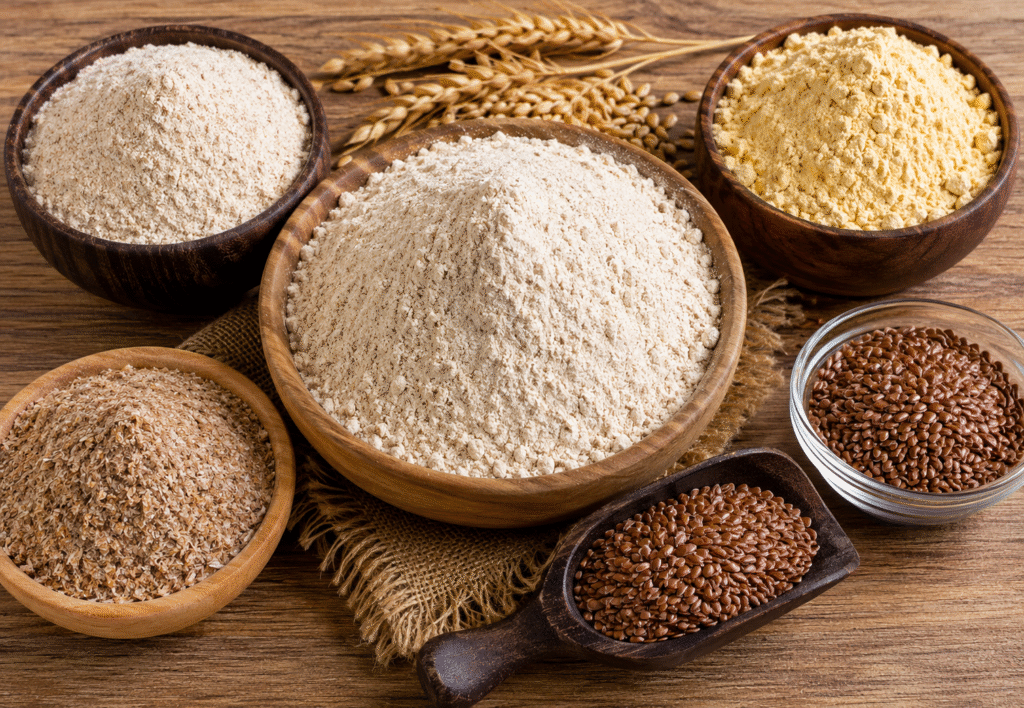
Whole Wheat Flour – 50%
Whole wheat flour provides the base of the mixture.
It contains complex carbohydrates, dietary fiber, vitamins, minerals, and naturally occurring plant compounds. Compared with refined flour, whole wheat retains more of the grain’s original nutrients.
Barley Flour – 30%
Barley is one of the most valuable ingredients in this blend.
It contains beta-glucan, a soluble fiber that forms a gel-like substance during digestion. This slows stomach emptying and reduces the speed at which carbohydrates are absorbed.
Chickpea Flour – 10%
Chickpea flour contributes:
- Plant protein
- Dietary fiber
- Iron
- Folate
- Magnesium
Protein and fiber together help increase satiety and slow digestion.
Wheat Bran – 10%
Wheat bran is extremely rich in insoluble fiber.
Adding bran increases the total fiber content of the flour and supports healthy digestion.
Ground Flaxseed (Optional)
Ground flaxseed provides:
- Omega-3 fatty acids
- Soluble fiber
- Insoluble fiber
- Plant lignans
Although optional, flaxseed can further improve the nutritional profile of the flour blend.
Why Whole Wheat Flour Is Included
Many people wonder why whole wheat flour is still included if the goal is to lower the glycemic index.
The answer is simple.
Whole wheat flour gives the dough its familiar texture, elasticity, and taste while providing complex carbohydrates and nutrients.
Using 50% whole wheat flour keeps the roti soft and easy to prepare while allowing the addition of ingredients that lower the overall glycemic response.
Whole wheat also supplies:
- B vitamins
- Iron
- Zinc
- Magnesium
- Phosphorus
Although whole wheat has a higher glycemic index than barley, combining it with high-fiber ingredients creates a more balanced flour.
Why Barley Flour Is the Star Ingredient
If there is one ingredient that makes this flour blend special, it is barley flour.
Barley has been consumed for thousands of years and is widely recognized for its high content of beta-glucan, a soluble dietary fiber.
Beta-glucan has attracted significant scientific interest because it can:
- Slow carbohydrate digestion
- Delay glucose absorption
- Increase feelings of fullness
- Support healthy cholesterol levels
- Improve the texture of the flour blend
When beta-glucan absorbs water, it forms a thick gel inside the digestive tract. This slows the movement of food through the stomach and small intestine, resulting in a steadier release of glucose into the bloodstream.
Because of these properties, barley is often considered one of the best grains to include in a diabetes-friendly eating pattern.
However, barley flour alone may produce dense, less flexible rotis. Combining it with whole wheat flour helps improve texture while preserving many of its nutritional advantages.
The Science Behind This Low Glycemic Index Flour and How to Use It
One of the key ingredients in this homemade low glycemic index flour is chickpea flour (gram flour or besan). Although it makes up only 10% of the flour blend, it plays an important role in improving the overall nutritional quality.
Chickpeas are naturally rich in plant-based protein, dietary fiber, vitamins, and minerals. Compared with regular wheat flour, chickpea flour contains more protein and significantly more fiber. These nutrients help slow the digestion of carbohydrates, allowing glucose to enter the bloodstream at a more gradual rate.
Protein also promotes satiety, meaning you are likely to feel full for a longer period after eating. This can help reduce unnecessary snacking between meals, which is beneficial for people trying to manage blood sugar levels or maintain a healthy body weight.
Chickpea flour is also a good source of:
- Magnesium, which plays a role in glucose metabolism.
- Iron, important for oxygen transport throughout the body.
- Folate, essential for healthy cell growth.
- Potassium, which supports normal muscle and nerve function.
Although chickpea flour offers many nutritional benefits, it should still be consumed in appropriate portions because it contains carbohydrates. The goal is not to eliminate carbohydrates but to choose higher-quality sources that digest more slowly.
Wheat Bran: A Simple Way to Increase Fiber
Another important ingredient in this flour blend is wheat bran.
Wheat bran is the outer layer of the wheat grain that is removed during the production of refined flour. It is one of the richest natural sources of dietary fiber.
Adding wheat bran to the flour mixture increases both the total fiber content and the bulk of the meal.
Dietary fiber offers several potential health benefits, including:
- Supporting healthy digestion.
- Promoting regular bowel movements.
- Increasing feelings of fullness.
- Slowing the absorption of carbohydrates.
- Helping create a more gradual rise in blood sugar after meals.
Fiber is also associated with better overall dietary quality because high-fiber foods tend to be more filling than highly refined carbohydrate foods.
People who are not accustomed to eating high-fiber foods should increase their fiber intake gradually and drink enough water throughout the day to reduce the chance of digestive discomfort.
Flaxseed: A Small Ingredient with Big Nutritional Benefits
Although ground flaxseed is optional, adding approximately 150 grams to every 5 kilograms of flour can further improve the nutritional profile of the mixture.
Flaxseed is well known for providing:
- Omega-3 fatty acids (ALA)
- Soluble fiber
- Insoluble fiber
- Plant lignans
- Protein
The soluble fiber found in flaxseed absorbs water during digestion and forms a gel-like substance. This may help slow stomach emptying and reduce the speed at which carbohydrates are absorbed.
The healthy fats found in flaxseed also contribute to overall heart health, which is particularly important because people with diabetes have a higher risk of cardiovascular disease.
Grinding flaxseed before adding it to the flour improves the body’s ability to absorb its nutrients. Whole flaxseeds often pass through the digestive system without being fully broken down.
Because flaxseed contains natural oils, it is best to store the flour blend in an airtight container in a cool, dry place to help maintain freshness.
Estimated Glycemic Index of This Flour Blend
One of the main reasons people choose this homemade flour is its lower estimated Glycemic Index (GI) compared with regular wheat flour.
Based on the ingredients used, this flour blend is estimated to have a GI of approximately 35 to 40.
For comparison:
| Flour Type | Estimated GI |
| Refined white flour | 70–85 |
| Whole wheat flour | 55–70 |
| Homemade Low GI Flour Blend | 35–40 |
These values are estimates and can vary depending on factors such as the grain variety, milling process, recipe, and cooking method.
It is also important to remember that the glycemic response to food differs from one person to another. Factors such as insulin sensitivity, physical activity, medications, stress, and sleep can all influence post-meal blood sugar levels.
For this reason, people with diabetes should monitor their own blood glucose after meals to understand how different foods affect them personally.
Understanding the Glycemic Load of This Flour
While Glycemic Index tells us how quickly carbohydrates may raise blood sugar, Glycemic Load (GL) considers both the quality and quantity of carbohydrates in a serving.
The following estimates are based on the flour mixture discussed in this article.
50 Grams of Flour
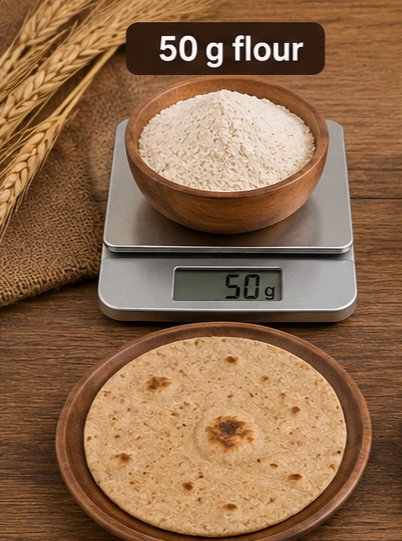
- Available carbohydrates: approximately 20 grams
- Estimated Glycemic Load: 7–8
This falls into the low glycemic load category and may be appropriate for many people with diabetes when included as part of a balanced meal.
100 Grams of Flour
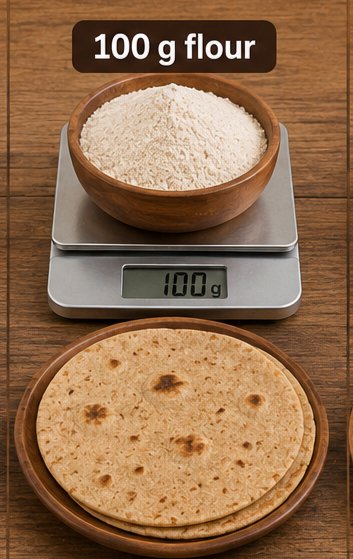
- Available carbohydrates: approximately 40 grams
- Estimated Glycemic Load: around 15
This is considered a moderate glycemic load. Whether this amount is suitable depends on an individual’s calorie needs, carbohydrate goals, and blood sugar response.
150 Grams of Flour
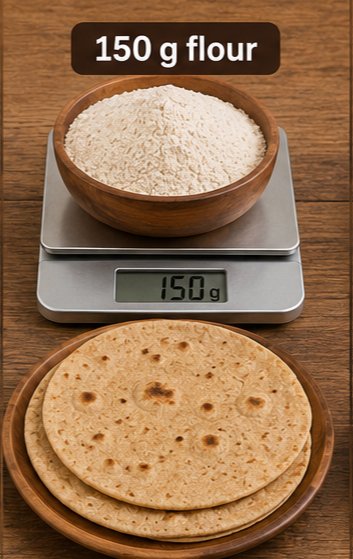
- Available carbohydrates: approximately 60 grams
- Estimated Glycemic Load: 22–23
This is considered a high glycemic load and may cause a larger increase in blood sugar, especially if eaten without vegetables or protein-rich foods.
200 Grams of Flour
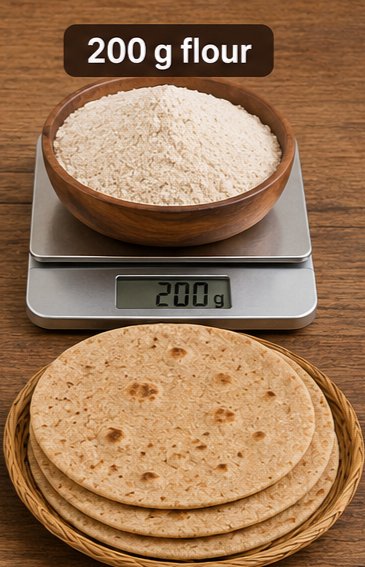
- Available carbohydrates: approximately 80 grams
- Estimated Glycemic Load: around 30
This represents a high carbohydrate intake in a single meal and should be approached with caution by people managing diabetes.
The key takeaway is simple: even low-GI foods can contribute to a high glycemic load when eaten in large portions.
Flour Weight Is Not the Same as Roti Weight
One of the most common misconceptions is that the weight of a cooked roti is the same as the weight of the dry flour used to make it.
In reality, this is not true.
During dough preparation and cooking, the flour absorbs water, increasing the final weight of the cooked roti.
For example:
- 35–40 grams of dry flour typically makes one medium-sized roti.
- After cooking, the roti usually weighs around 55–60 grams.
This distinction is important because nutrition calculations are based on the amount of dry flour, not the weight of the finished roti.
A medium-sized roti prepared from this homemade flour blend generally has an estimated Glycemic Load of about 6–7, placing it in the low glycemic load category.
Of course, the final impact on blood sugar also depends on what you eat alongside the roti.
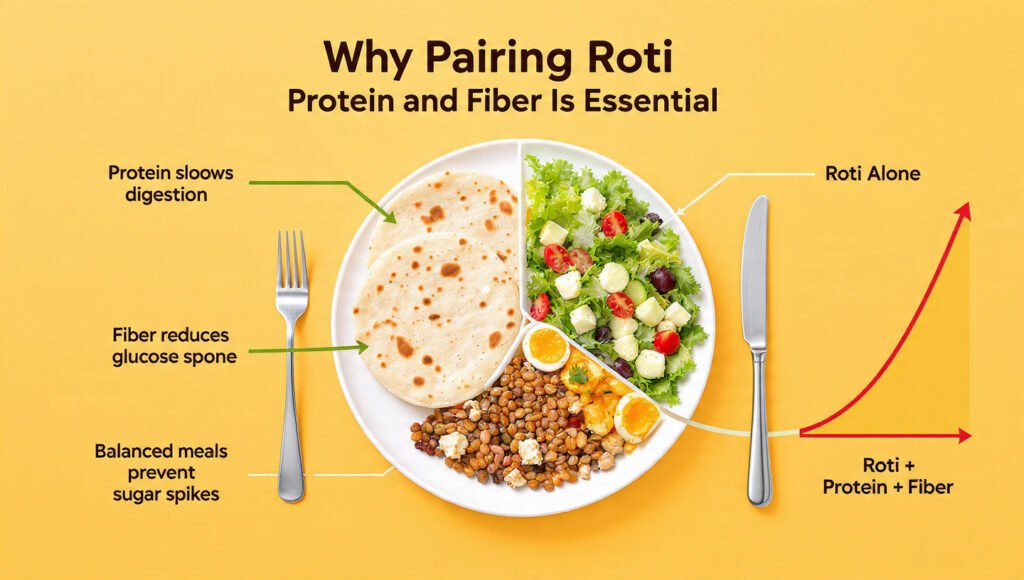
For example, pairing it with lentils, vegetables, yogurt, grilled chicken, fish, eggs, or other protein-rich foods is likely to create a more balanced meal than eating the roti alone or with sugary beverages.
How to Prepare, Use, and Get the Most Benefits from Low Glycemic Index Flour for Diabetes
In the previous sections, we discussed what low glycemic index flour is, why it may be beneficial for people with diabetes, and how ingredients such as barley flour, chickpea flour, wheat bran, and flaxseed contribute to its nutritional value. We also explored the concepts of Glycemic Index (GI) and Glycemic Load (GL), highlighting why portion size is just as important as the type of flour you choose.
Now, let’s look at how to prepare this flour blend, make healthy rotis, and incorporate them into a balanced meal plan.
How to Prepare the Low Glycemic Index Flour
One of the biggest advantages of this flour blend is that it can be prepared in bulk and stored for several weeks. This makes it convenient for everyday use without needing to measure ingredients each time you make dough.
Ingredients for a 5 kg Flour Blend
To prepare approximately 5 kilograms of low glycemic index flour, you will need:
- 2.5 kg whole wheat flour (50%)
- 1.5 kg barley flour (30%)
- 500 g chickpea flour (10%)
- 500 g wheat bran (10%)
- 150 g ground flaxseed (optional but recommended)
These ingredients are widely available in grocery stores and flour mills across Pakistan, India, and many other countries.
Step-by-Step Preparation
Step 1: Mix the Dry Ingredients
Place the whole wheat flour, barley flour, chickpea flour, and wheat bran into a large, clean mixing container.
Mix thoroughly until all ingredients are evenly distributed. Proper mixing ensures that every batch of dough has a consistent nutritional profile.
Step 2: Add the Ground Flaxseed
Once the flours are well mixed, add the ground flaxseed.
Mix again for several minutes so that the flaxseed is evenly incorporated throughout the flour.
Step 3: Store Properly
Transfer the flour into an airtight container.
Store it in a cool, dry place away from moisture and direct sunlight. Because flaxseed contains natural oils, using the flour within a few weeks helps maintain freshness.
How to Make Healthy Dough
Preparing the dough correctly is just as important as choosing the right flour.
Follow these simple guidelines:
- Use only water when kneading the dough.
- Avoid adding extra oil or ghee directly into the dough unless required for a specific recipe.
- Knead until the dough becomes soft and smooth.
- Cover the dough and allow it to rest for 10 to 15 minutes.
Resting the dough allows the fiber to absorb water, making the dough softer and easier to roll while improving the texture of the finished roti.
Tips for Cooking Soft Rotis
Cooking methods can also influence the quality of your meal.
For the best results:
- Roll the dough evenly.
- Cook on a preheated tawa over medium heat.
- Flip the roti at the appropriate time to ensure even cooking.
- Avoid burning or overcooking, as excessive charring may negatively affect both taste and nutritional quality.
Soft, evenly cooked rotis are generally more enjoyable and easier to digest than heavily browned or burnt ones.
What Should You Eat with Low GI Roti?
Even the healthiest flour cannot compensate for an unbalanced meal.
For better blood sugar management, pair your roti with foods that provide protein, healthy fats, and plenty of vegetables.
Some excellent options include:
Protein-Rich Foods
- Grilled chicken
- Fish
- Eggs
- Lentils (dal)
- Chickpeas
- Kidney beans
- Low-fat yogurt
- Cottage cheese (paneer)
Protein slows digestion and helps improve satiety.
Non-Starchy Vegetables
Fill at least half your plate with vegetables such as:
- Spinach
- Okra (ladyfinger)
- Cauliflower
- Broccoli
- Cabbage
- Green beans
- Bitter gourd (karela)
- Bottle gourd (lauki)
- Eggplant (brinjal)
These vegetables are naturally rich in fiber while being relatively low in calories and carbohydrates.
Healthy Fats
Healthy fats can also improve meal satisfaction.
Examples include:
- Flaxseed
- Walnuts
- Almonds
- Olive oil (used in moderation)
- Avocado (where available)
Remember that healthy fats are still calorie-dense, so moderation remains important.
Foods That May Reduce the Benefits
While this flour blend may support better blood sugar control, pairing it with highly processed or sugary foods can reduce many of its advantages.
Try to limit:
- Sugar-sweetened beverages
- Soft drinks
- Sweetened fruit juices
- Large portions of white rice
- Sugary desserts
- Cakes and pastries
- Deep-fried snacks
- Excessive sweets
A balanced meal is always more important than relying on a single “healthy” ingredient.
Portion Control Still Matters
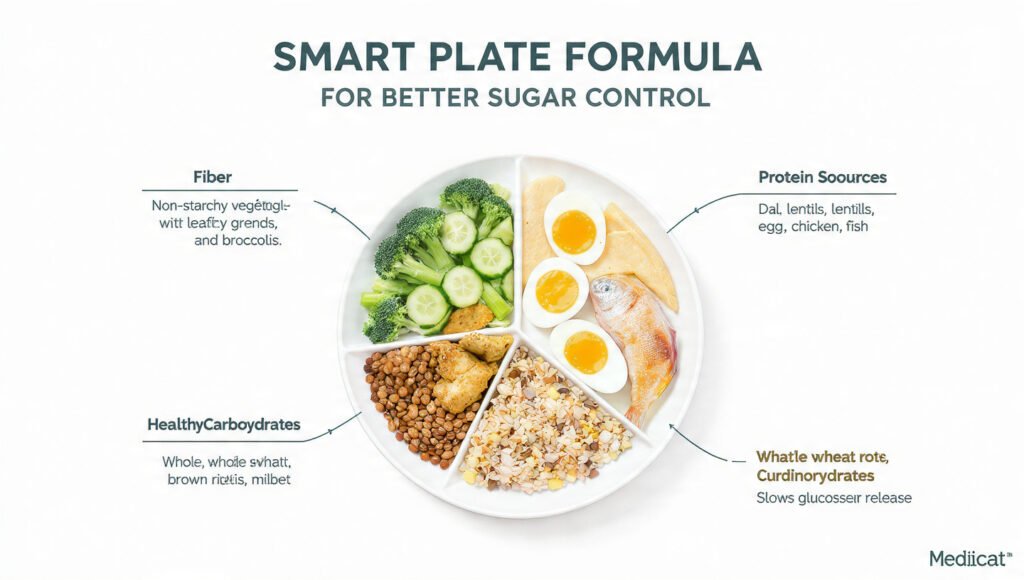
One of the biggest misconceptions is that low-GI foods can be eaten without limits.
This is not true.
Even though this flour has a lower glycemic index than regular wheat flour, it still contains carbohydrates.
Eating several large rotis in one meal may still raise blood sugar considerably.
For many adults, one to two medium-sized rotis served with vegetables and a protein source may fit into a balanced meal plan, although individual needs vary based on age, activity level, medications, and healthcare recommendations.
Monitoring your blood glucose after meals can help you understand what portion sizes work best for your body.
Lifestyle Tips for Better Blood Sugar Control
Diet is only one part of diabetes management.
To achieve the best results, consider the following healthy habits:
Stay Physically Active
Aim for regular physical activity, such as brisk walking, cycling, swimming, or strength training, according to your healthcare provider’s recommendations.
Exercise helps improve insulin sensitivity and supports overall health.
Eat Meals at Regular Times
Skipping meals or eating large amounts of food late in the day can make blood sugar management more difficult.
Consistent meal timing may help many people maintain more stable glucose levels.
Drink Enough Water
Proper hydration supports overall health and may help replace fluids lost through increased urination in people with elevated blood sugar.
Choose water instead of sugary beverages whenever possible.
Monitor Blood Sugar Regularly
Every individual responds differently to food.
Checking your blood glucose before and after meals can help you understand how this flour blend affects you personally.
Discuss your readings with your healthcare provider to make informed dietary decisions.
Frequently Asked Questions
Is this flour suitable for everyone with diabetes?
It may be suitable for many people, but individual responses vary. Blood sugar should be monitored regularly, and any dietary changes should be discussed with a healthcare professional or registered dietitian.
Can this flour cure diabetes?
No. This flour is not a cure for diabetes. It may support healthier eating habits and help improve meal quality, but diabetes management requires a comprehensive approach that includes medical care, physical activity, and overall dietary balance.
Is barley better than wheat for blood sugar?
Barley generally has a lower glycemic index and contains beta-glucan, which may help slow carbohydrate absorption. However, both grains can be part of a healthy diet when consumed in appropriate portions.
Can I eat this flour every day?
Yes, this flour can be part of your regular diet if it fits within your overall meal plan. Variety is still important, so include other whole grains and nutritious foods as well.
Is this flour gluten-free?
No.
Because it contains whole wheat flour, barley flour, and wheat bran, it is not suitable for people with celiac disease or gluten intolerance.
Can people without diabetes use this flour?
Absolutely.
The higher fiber and protein content may benefit many people who want a healthier alternative to regular wheat flour.
Can this flour help with weight management?
Foods that contain more fiber and protein often increase fullness, which may help reduce overeating. However, weight management depends on overall calorie intake, physical activity, sleep, and many other lifestyle factors.
Does this flour replace diabetes medication?
No.
This flour is simply a healthier dietary option. It should never replace prescribed medications or medical advice.
Final Thoughts
Choosing healthier ingredients is one of the simplest ways to improve the nutritional quality of everyday meals. By combining whole wheat flour, barley flour, chickpea flour, wheat bran, and ground flaxseed, you can create a flour blend that is richer in fiber, higher in protein, and lower in estimated glycemic index than traditional wheat flour alone.
This homemade Low Glycemic Index Flour for Diabetes may help support a slower rise in blood sugar, increase satiety, and improve the overall quality of your meals when paired with vegetables, lean protein, and healthy lifestyle habits.
However, it is important to remember that there is no single “magic” food for diabetes. Long-term blood sugar management depends on a combination of healthy eating, appropriate portion sizes, regular physical activity, adequate sleep, stress management, medication when prescribed, and ongoing monitoring.
Instead of focusing on one ingredient, think of this flour blend as one useful tool within a comprehensive diabetes-friendly lifestyle.
If you are planning significant dietary changes, especially if you take insulin or blood sugar-lowering medications, consult your healthcare provider or a registered dietitian. They can help tailor recommendations to your individual health needs.
By making informed food choices and maintaining healthy habits consistently, you can take meaningful steps toward better blood sugar management and overall well-being.