
When people think about healthy eating, they often choose foods that have been popular for decades. Milk for calcium, bananas for potassium, oranges for vitamin C, and dates for iron are among the first foods that come to mind. While these foods certainly have nutritional value, they are not always the richest sources of the nutrients they are famous for.
This is where nutrient-dense foods come into the picture.
A nutrient-dense food provides a high concentration of vitamins, minerals, protein, healthy fats, antioxidants, or fiber relative to the number of calories it contains. In simple words, these foods give your body more nutrition in every bite.
Unfortunately, many people unknowingly rely on foods that are simply popular rather than choosing foods that provide significantly higher nutritional benefits. As a result, they may still experience fatigue, nutrient deficiencies, weak immunity, poor bone health, or low energy despite believing they eat a healthy diet.
The good news is that improving your nutrition doesn’t necessarily mean eating more food. Instead, it means making smarter food choices.
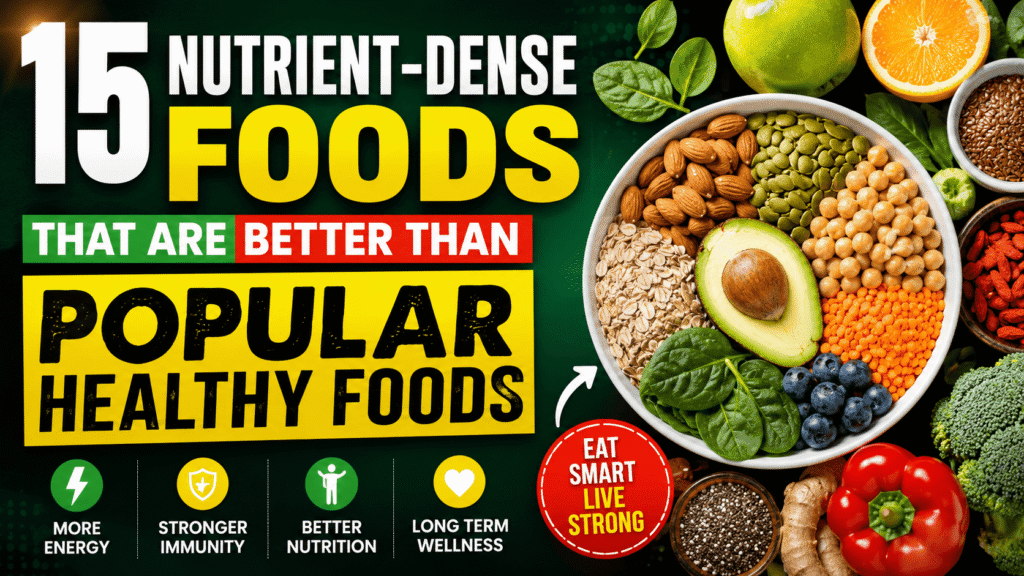
In this comprehensive guide, you’ll discover 15 nutrient-dense foods that outperform many commonly consumed healthy foods. You’ll also learn why nutrient density matters, how these foods support better health, and practical ways to include them in your daily diet.
Let’s begin.
Table of Contents
What Are Nutrient-Dense Foods?
Before comparing foods, it’s important to understand what nutrient-dense foods actually are.
Nutrient density refers to the amount of essential nutrients a food provides relative to its calorie content.
A nutrient-dense food contains high levels of:
- Vitamins
- Minerals
- Protein
- Healthy fats
- Dietary fiber
- Antioxidants
- Phytonutrients
while providing relatively fewer empty calories.
For example:
A bowl of potato chips and a bowl of lentils may contain a similar number of calories, but the lentils provide protein, fiber, iron, folate, magnesium, potassium, and numerous plant compounds that support health. This makes lentils far more nutrient-dense.
Similarly, replacing white bread with chickpeas or sesame seeds instead of relying solely on milk can significantly increase your nutrient intake without dramatically changing your eating habits.
Why Nutrient Density Matters More Than Calories
For years, many people judged food based only on calories.
Today, nutrition experts recognize that food quality is often more important than calorie quantity.
Imagine eating 400 calories from sugary snacks versus 400 calories from vegetables, legumes, seeds, and fruits.
Both meals may contain similar calories, but the nutritional value is completely different.
Nutrient-dense foods can help:
- Improve energy levels
- Support immune function
- Reduce the risk of nutrient deficiencies
- Build stronger bones
- Improve muscle health
- Promote healthy skin
- Support brain function
- Improve heart health
- Maintain healthy blood sugar levels
- Increase satiety and reduce overeating
Instead of simply filling your stomach, nutrient-dense foods nourish your body.
Popular Healthy Foods Are Not Always the Best Sources of Nutrients
Many foods become popular because of advertising, tradition, or general public perception.
For example:
- Milk is associated with calcium.
- Bananas are linked with potassium.
- Oranges are known for vitamin C.
- Carrots are famous for vitamin A.
While these foods certainly contribute valuable nutrients, many lesser-known foods provide even higher amounts of the same nutrients.
Choosing these smarter alternatives doesn’t mean you should stop eating the popular foods. Instead, it means broadening your diet to include foods that deliver more nutritional value.
Comparison Table: 15 Nutrient-Dense Food Swaps
| Popular Healthy Food | Smarter Nutrient-Dense Food | Main Nutrient | Why the Alternative Wins |
| Dates | Garden Cress Seeds | Iron | Around 100× more iron per 100 g |
| Milk | Sesame Seeds | Calcium | About 8× more calcium |
| Orange | Guava | Vitamin C | Around 4× more vitamin C |
| Carrot | Sweet Potato | Vitamin A (Beta-Carotene) | Slightly higher beta-carotene |
| White Bread | Chickpeas | Protein | About 2× more protein plus fiber |
| Banana | Pumpkin Seeds | Magnesium | Around 6× more magnesium |
| Banana | Coconut Water | Electrolytes | Better hydration support |
| Peeled Apple | Oats | Fiber | Around 5× more fiber |
| Rice | Lentils | Zinc | Approximately 3× more zinc |
| Cooking Oil | Almonds | Vitamin E | Around 5× more vitamin E |
| White Rice | Spinach | Folate | About 24× more folate |
| Common Cooking Oils | Flaxseeds | Omega-3 | Rich source of ALA omega-3 |
| Fortified Foods | Egg Yolk | Vitamin D | Naturally higher vitamin D |
| Spinach | Liver | Highly Absorbable Iron | Better iron absorption |
| Green Tea | Amla | Antioxidants | Rich in vitamin C and plant antioxidants |
Note: Nutrient values are approximate and may vary depending on the variety, growing conditions, and preparation method. Always focus on eating a balanced diet rather than relying on a single food source.
1. Garden Cress Seeds: A Hidden Iron Powerhouse
When people think about iron-rich foods, dates are often recommended. While dates contain small amounts of iron and are a healthy natural sweetener, they are not among the richest dietary sources of this essential mineral.
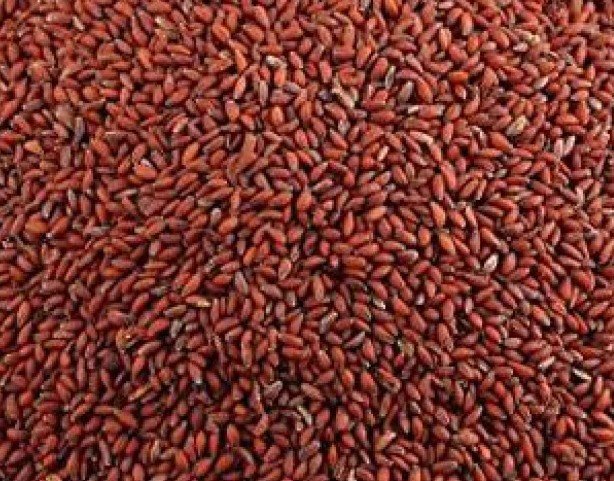
Garden cress seeds, also known as Haleem seeds, are an excellent example of a nutrient-dense food. They contain a remarkably high amount of iron, making them especially valuable for individuals who need more iron in their diet.
Iron plays a vital role in producing hemoglobin, the protein in red blood cells responsible for carrying oxygen throughout the body. Low iron levels may contribute to fatigue, reduced physical performance, and poor concentration.
Garden cress seeds also provide:
- Protein
- Calcium
- Folate
- Dietary fiber
- Antioxidants
How to Enjoy Garden Cress Seeds
You can soak the seeds overnight and add them to milk, yogurt, smoothies, or sprinkle them over salads. They also work well in homemade energy bars.
2. Sesame Seeds: Tiny Seeds with Massive Calcium
Milk has long been promoted as the gold standard for calcium.
However, sesame seeds contain significantly higher calcium levels on a gram-for-gram basis.
These tiny seeds also provide:
- Magnesium
- Zinc
- Copper
- Healthy fats
- Plant protein
- Antioxidants
Calcium is essential for maintaining strong bones and teeth, supporting muscle contraction, and enabling normal nerve function.
Sesame seeds can be added to:
- Homemade bread
- Salads
- Stir-fries
- Yogurt
- Smoothies
- Tahini
Just one or two tablespoons each day can meaningfully increase your calcium intake.
3. Guava: The Vitamin C Champion
Many people automatically reach for oranges when they want more vitamin C.
However, guava contains several times more vitamin C than oranges.
Vitamin C is crucial because it:
- Supports the immune system
- Helps produce collagen
- Promotes wound healing
- Protects cells from oxidative stress
- Enhances the absorption of non-heme iron from plant-based foods
Guava is also rich in:
- Fiber
- Potassium
- Vitamin A
- Folate
- Antioxidants
Its naturally sweet taste makes it a delicious and nutrient-packed snack.
4. Sweet Potato: More Than Just a Carrot Alternative
Carrots have earned their reputation as an excellent source of vitamin A thanks to their beta-carotene content.
Sweet potatoes, however, often contain even higher amounts of beta-carotene, depending on the variety.
Beta-carotene is converted into vitamin A by the body and plays an important role in:
- Eye health
- Immune function
- Healthy skin
- Cell growth
Sweet potatoes also provide:
- Fiber
- Potassium
- Vitamin C
- Manganese
- Complex carbohydrates
Unlike refined carbohydrates, sweet potatoes release energy more gradually, making them a satisfying addition to balanced meals.
5. Chickpeas: A Better Protein Choice Than White Bread
White bread is a staple in many households, but nutritionally it falls short compared to legumes.
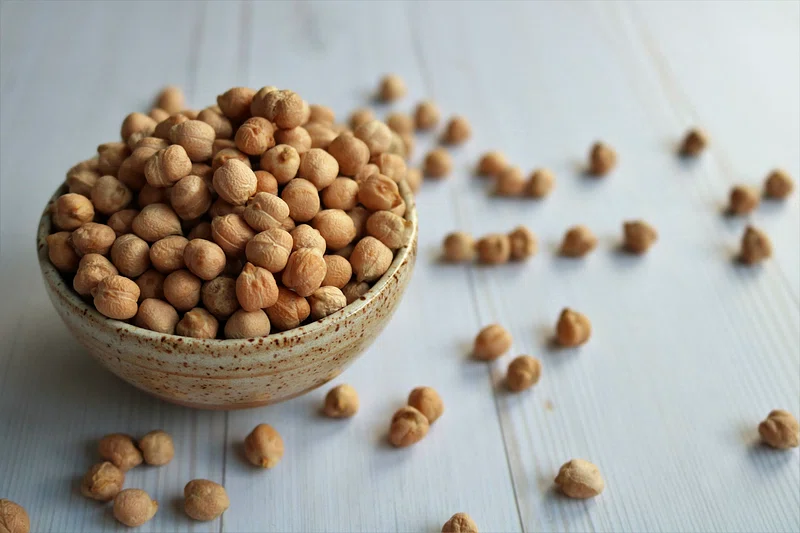
Chickpeas are among the most nutrient-dense foods because they offer an impressive combination of:
- Protein
- Fiber
- Iron
- Magnesium
- Folate
- Potassium
Protein supports muscle maintenance, hormone production, enzyme function, and overall body repair.
Unlike refined bread, chickpeas also contain dietary fiber, which helps improve satiety and supports digestive health.
They are incredibly versatile and can be used in:
- Soups
- Salads
- Curries
- Hummus
- Roasted snacks
6. Pumpkin Seeds: The Magnesium Superfood
Bananas are famous for minerals, but when it comes to magnesium, pumpkin seeds stand out.
Magnesium is involved in more than 300 biochemical reactions in the body.
It supports:
- Muscle function
- Nerve health
- Energy production
- Bone strength
- Blood sugar regulation
- Heart health
Pumpkin seeds also provide:
- Zinc
- Iron
- Healthy fats
- Plant protein
- Antioxidants
A small handful each day can significantly improve your intake of several essential minerals.
7. Coconut Water: Nature’s Electrolyte Drink
Bananas are well known for their potassium, but coconut water offers a unique combination of electrolytes that support hydration.
In addition to potassium, coconut water contains:
- Sodium (naturally occurring in small amounts)
- Magnesium
- Calcium
- Phosphorus
This makes it a refreshing choice after exercise or during hot weather. While it is not a replacement for plain water, it can be a useful addition to a balanced diet, especially when hydration and electrolyte replenishment are important.
8. Oats: A Fiber-Rich Upgrade Over Peeled Apples
Apples are healthy fruits, but removing the peel reduces much of their fiber content.
Oats provide substantially more fiber per serving and are especially rich in beta-glucan, a type of soluble fiber that has been extensively studied for its health benefits.
Beta-glucan may help:
- Support healthy cholesterol levels
- Promote fullness after meals
- Feed beneficial gut bacteria
- Slow the digestion of carbohydrates
- Contribute to steady energy release
Oats also contain:
- Protein
- Magnesium
- Manganese
- Iron
- Zinc
- B vitamins
Whether enjoyed as oatmeal, overnight oats, or added to smoothies and baked goods, oats are one of the easiest nutrient-dense foods to include in your daily routine.
9. Lentils: A Better Source of Zinc Than Rice
Rice is a staple food for billions of people around the world. It is an excellent source of carbohydrates and provides energy, but it is relatively low in several essential minerals.
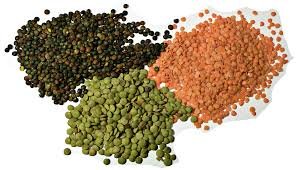
Lentils, on the other hand, are among the most nutrient-dense foods because they provide much more than energy.
Compared with white rice, lentils contain significantly more:
- Zinc
- Protein
- Iron
- Folate
- Magnesium
- Dietary fiber
Zinc is an essential mineral involved in hundreds of biological processes. It plays an important role in:
- Supporting the immune system
- Wound healing
- DNA synthesis
- Cell growth and repair
- Maintaining healthy skin
- Normal taste and smell
Many people do not consume enough zinc, especially if their diet relies heavily on refined grains.
Easy Ways to Eat More Lentils
Lentils are affordable and easy to prepare. They can be used in:
- Lentil soup
- Daal
- Salads
- Rice and lentil combinations
- Vegetable stews
- Homemade patties
Replacing part of your rice with lentils can significantly improve the nutritional quality of your meals.
10. Almonds: One of the Best Natural Sources of Vitamin E
Many people assume cooking oils provide enough vitamin E. While some plant oils contain this vitamin, almonds are a much richer and more nutrient-dense source.
Vitamin E is a powerful antioxidant that helps protect your cells from oxidative damage caused by free radicals.
Research suggests vitamin E contributes to:
- Healthy skin
- Eye health
- Immune function
- Protection of cell membranes
- Healthy aging
Almonds also provide:
- Healthy monounsaturated fats
- Protein
- Magnesium
- Calcium
- Fiber
- Manganese
Unlike refined snacks, almonds deliver multiple nutrients in every handful.
Healthy Serving Size
A serving of approximately 20–25 almonds makes an excellent snack and pairs well with fresh fruit or yogurt.
11. Spinach: A Folate Superstar
White rice is consumed every day in many households, but it contains relatively little folate.
Spinach is one of the richest natural sources of folate (Vitamin B9).
Folate is essential for:
- DNA production
- Red blood cell formation
- Healthy pregnancy
- Cell growth
- Brain function
Spinach also supplies:
- Vitamin K
- Vitamin A
- Vitamin C
- Magnesium
- Potassium
- Iron
- Antioxidants
Whether eaten raw in salads or lightly cooked, spinach is one of the most versatile nutrient-dense foods available.
12. Flaxseeds: A Tiny Seed Packed with Omega-3
Many commonly used cooking oils contain little or no omega-3 fatty acids.
Flaxseeds are one of the richest plant-based sources of alpha-linolenic acid (ALA), a type of omega-3 fatty acid.
Omega-3 fats are associated with:
- Heart health
- Brain function
- Reduced inflammation
- Healthy cholesterol levels
- Eye health
Flaxseeds also provide:
- Fiber
- Plant protein
- Magnesium
- Lignans (powerful antioxidants)
How to Use Flaxseeds
Ground flaxseeds are easier to digest than whole seeds. Try adding them to:
- Oatmeal
- Smoothies
- Yogurt
- Whole-grain bread
- Homemade roti flour blends
- Salads
Store ground flaxseeds in an airtight container in the refrigerator to preserve freshness.
13. Egg Yolks: A Natural Source of Vitamin D
Vitamin D is one of the most common nutrient deficiencies worldwide.
Many people rely on fortified foods, but egg yolks naturally contain vitamin D along with several other essential nutrients.
Egg yolks also provide:
- Choline
- Vitamin A
- Vitamin B12
- Selenium
- Healthy fats
Vitamin D supports:
- Calcium absorption
- Bone health
- Muscle function
- Immune health
Although sunlight remains the body’s primary source of vitamin D, including foods like egg yolks can help support overall intake.
14. Liver: A Highly Bioavailable Source of Iron
Spinach is often recommended for increasing iron intake, but there is an important difference many people overlook.
The body absorbs heme iron (found in animal foods) much more efficiently than non-heme iron (found in plant foods).
Liver is one of the richest natural sources of highly absorbable iron.
It is also packed with:
- Vitamin A
- Vitamin B12
- Folate
- Copper
- Protein
Because liver is extremely nutrient-dense, moderate portions are generally sufficient.
People who do not eat organ meats can improve plant-based iron absorption by combining iron-rich foods with vitamin C-rich foods.
15. Amla (Indian Gooseberry): An Antioxidant Powerhouse
Green tea is widely recognized for its antioxidant content, but amla is one of the most nutrient-rich fruits available.
Amla is exceptionally high in vitamin C and contains numerous plant compounds with antioxidant properties.
Potential health benefits include supporting:
- Immune function
- Skin health
- Collagen production
- Healthy aging
- Cellular protection
Amla can be enjoyed as:
- Fresh fruit
- Juice
- Powder
- Chutney
- Pickle (preferably low in salt)
- Herbal preparations
Its tangy flavor makes it a unique addition to many traditional dishes.
How to Improve Nutrient Absorption
Choosing nutrient-dense foods is only part of the equation. Your body also needs to absorb those nutrients effectively.
Here are five evidence-based strategies to help maximize nutrient absorption.
1. Pair Iron with Vitamin C
Vitamin C significantly improves the absorption of non-heme iron found in plant foods.
Excellent combinations include:
- Lentils + lemon juice
- Spinach + guava
- Chickpeas + tomatoes
- Garden cress seeds + orange
- Beans + bell peppers
This simple pairing can make a noticeable difference in how much iron your body absorbs.
2. Avoid Tea and Coffee Immediately After Meals
Tea and coffee contain natural compounds called polyphenols and tannins, which can reduce the absorption of non-heme iron.
For better nutrient absorption:
- Wait 1–2 hours after meals before drinking tea or coffee.
- If you enjoy tea with meals, consider herbal teas that are lower in tannins.
3. Soak or Lightly Roast Seeds and Legumes
Seeds, nuts, and legumes naturally contain phytic acid, a compound that can reduce the absorption of minerals such as iron, zinc, and calcium.
Traditional preparation methods help lower phytic acid levels.
These include:
- Soaking overnight
- Sprouting
- Fermenting
- Light roasting (where appropriate)
These simple techniques can improve both digestibility and nutrient availability.
4. Avoid Taking Large Amounts of Calcium with Iron-Rich Meals
Calcium and iron can compete for absorption when consumed together in large amounts.
If you are taking calcium supplements or consuming calcium-rich foods like milk, consider spacing them apart from iron-rich meals by a few hours.
This is particularly important for people with iron deficiency or those taking iron supplements.
5. Maintain a Balanced Fiber Intake
Fiber is one of the healthiest components of a balanced diet. It supports digestion, helps regulate blood sugar, and promotes heart health.
However, extremely high intakes of fiber—especially from supplements—may reduce the absorption of certain minerals.
The goal is not to avoid fiber but to consume a balanced variety of whole foods.
Common Nutrition Mistakes to Avoid
Even people who eat healthy diets sometimes make simple mistakes that reduce the overall nutritional value of their meals.
Common mistakes include:
- Eating the same foods every day without variety
- Depending too heavily on refined grains
- Ignoring legumes, seeds, and nuts
- Drinking tea immediately after meals
- Removing edible fruit and vegetable peels unnecessarily
- Avoiding healthy fats
- Overcooking vegetables, which can reduce heat-sensitive vitamins
- Relying on supplements instead of improving food choices
Small improvements can have a significant impact over time.
Frequently Asked Questions (FAQs)
Are nutrient-dense foods expensive?
Not necessarily. Many nutrient-dense foods, such as lentils, oats, chickpeas, spinach, sesame seeds, and pumpkin seeds, are affordable and widely available.
Can vegetarians get enough protein from nutrient-dense foods?
Yes. Legumes, lentils, chickpeas, beans, seeds, nuts, soy products, dairy foods, and whole grains all contribute to daily protein intake.
Is it necessary to eat all 15 foods?
No. The goal is dietary variety rather than perfection. Including a wide range of nutrient-dense foods throughout the week is more important than eating every item every day.
Which nutrient-dense foods are best for older adults?
Older adults often benefit from foods rich in protein, calcium, vitamin D, magnesium, vitamin B12, and omega-3 fatty acids. Eggs, legumes, spinach, sesame seeds, almonds, flaxseeds, and dairy products can all be valuable additions to the diet.
Can nutrient-dense foods support blood sugar management?
Many nutrient-dense foods—such as oats, lentils, chickpeas, nuts, seeds, and leafy greens—contain fiber and protein that can support healthy blood sugar levels as part of an overall balanced eating pattern. Individual responses vary, so people with diabetes should follow personalized advice from their healthcare provider.
Key Takeaways
Here are the most important lessons from this guide:
- Nutrient-dense foods provide more vitamins, minerals, protein, and antioxidants per calorie than many commonly consumed foods.
- Popular healthy foods are valuable, but they are not always the richest source of the nutrients they are known for.
- Variety is one of the most effective ways to improve overall nutrition.
- Nutrient absorption is just as important as nutrient intake.
- Simple habits—such as pairing iron with vitamin C or soaking seeds—can improve how much nutrition your body actually uses.
- Small food swaps can make a meaningful difference in long-term health.
Final Thoughts: Choose Smarter, Not Just Healthier
Healthy eating is about more than following trends or choosing foods with a “healthy” reputation. It is about understanding which foods truly deliver the greatest nutritional value and how your body uses those nutrients.
By incorporating more nutrient-dense foods into your daily meals, you can improve the quality of your diet without making it overly complicated. Swapping refined foods for legumes, adding seeds and nuts to your meals, choosing colorful fruits and vegetables, and paying attention to nutrient absorption are simple yet effective steps toward better health.
Remember, no single food can provide every nutrient your body needs. The healthiest diet is one that emphasizes variety, balance, and whole foods. Instead of chasing the latest superfood trend, focus on building meals that include a diverse range of nutrient-rich ingredients.
Start with one or two smart swaps today. Over time, these small changes can help support your energy levels, strengthen your immune system, promote healthy bones and muscles, and contribute to long-term wellness. Your plate doesn’t have to be perfect—it simply needs to be filled with foods that nourish your body, one meal at a time.