
Managing diabetes doesn’t mean giving up delicious food—especially if you follow a vegetarian lifestyle. In fact, a well-planned vegetarian diet can be one of the most effective ways to control blood sugar levels naturally. If you’ve been searching for a Diabetic Diet Plan for Vegetarian, you’re in the right place.
Table of Contents
This comprehensive guide will walk you through everything you need to know—from understanding glycemic load to following a structured meal plan that supports stable glucose levels throughout the day.
What is a Diabetic Diet Plan for Vegetarian?
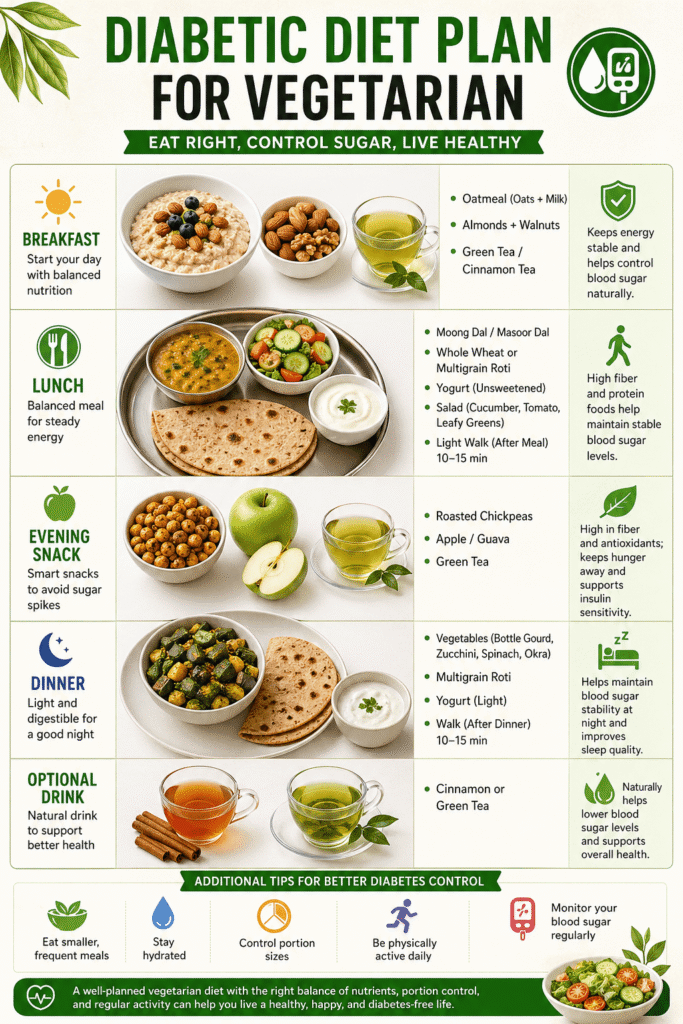
A Diabetic Diet Plan for Vegetarian is a structured eating approach focused on:
- Controlling blood sugar levels
- Improving insulin sensitivity
- Providing balanced nutrition
- Preventing complications related to diabetes
Unlike general diets, this plan emphasizes low glycemic load (GL) foods, high fiber, plant-based proteins, and healthy fats—all essential for long-term diabetes management.
Why a Vegetarian Diet Works for Diabetes
A vegetarian diet can be extremely beneficial for diabetics due to its natural composition. Here’s why:
1. High Fiber Content
Plant-based foods like lentils, vegetables, and whole grains are rich in fiber, which slows down sugar absorption.
2. Low in Saturated Fat
Vegetarian diets typically contain less unhealthy fat, reducing insulin resistance.
3. Rich in Antioxidants
Fruits, vegetables, and teas provide antioxidants that help reduce inflammation and oxidative stress.
4. Better Weight Management
Maintaining a healthy weight is crucial for diabetes control—and vegetarian diets make it easier.
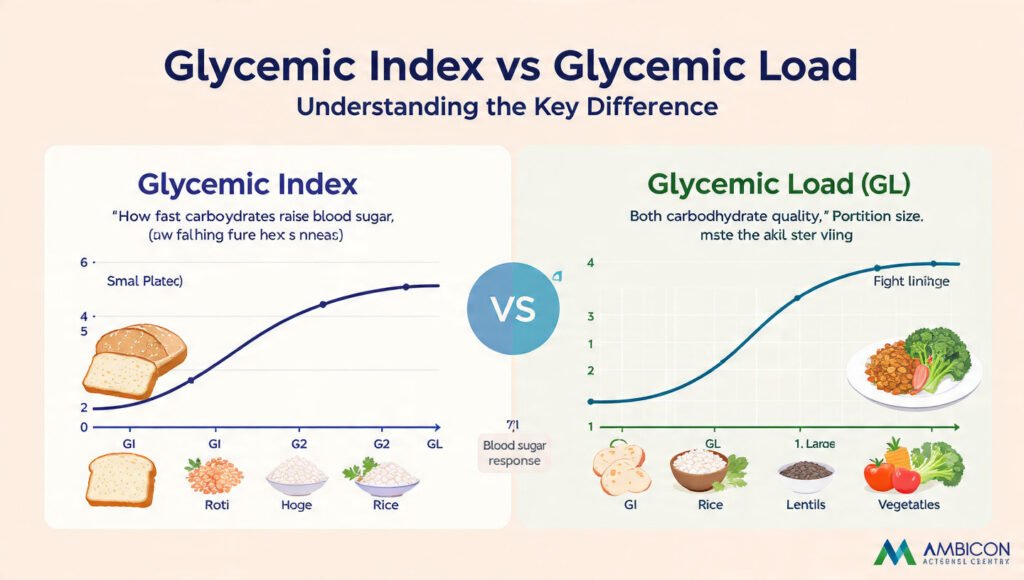
Understanding Glycemic Load (GL)
Before diving into the meal plan, it’s important to understand Glycemic Load (GL).
- Low GL (0–10): Best for diabetics
- Medium GL (11–19): Moderate intake
- High GL (20+): Avoid or limit
A Diabetic Diet Plan for Vegetarian focuses primarily on low to medium GL foods to prevent sudden spikes in blood sugar.
Complete Diabetic Diet Plan for Vegetarian (Daily Meal Table)
Below is a carefully designed daily meal plan based on low glycemic load foods:
| 🕒 Meal Time | 🍽️ Food / Dish | ⚖️ Serving Size | 🔢 Glycemic Load (GL) | 💬 Why It’s Important |
| Breakfast | Oatmeal (Oats + Milk) | 2 tbsp oats + 1 cup milk | 10 | Fiber slows sugar release and keeps energy stable throughout the day. |
| Almonds + Walnuts | 4 almonds + 2 walnuts | 1–2 | Healthy fats improve insulin sensitivity. | |
| Green Tea / Cinnamon Tea | 1 cup | 0 | Rich in antioxidants, helps in blood sugar control. | |
| Lunch | Moong Dal / Masoor Dal (Lentils) | 1 bowl (150 g) | 10–12 | Excellent plant-based protein; helps maintain stable sugar levels. |
| Whole Wheat or Multigrain Roti | 1 medium (50 g) | 8–10 | Complex carbs digest slowly, preventing rapid sugar spikes. | |
| Yogurt (Unsweetened) | 1 cup (100–120 g) | 2–3 | Probiotics improve digestion and balance blood sugar. | |
| Salad (Cucumber, Tomato, Leafy Greens) | 1 cup | 1–2 | Fiber slows down sugar absorption. | |
| Light Walk (After Meal) | 10–15 min | — | Naturally helps reduce blood sugar levels. | |
| Evening Snack | Roasted Chickpeas | ½ cup (50 g) | 7–8 | High in fiber and protein, prevents sugar spikes. |
| Apple / Guava | 1 medium (100 g) | 5–6 | Naturally sweet with vitamin C and fiber. | |
| Green Tea | 1 cup | 0 | Helps burn fat and improves insulin resistance. | |
| Dinner | Vegetables (Bottle Gourd, Zucchini, Spinach, Okra) | 1 bowl (150 g) | 3–5 | Low GL, high fiber; keeps blood sugar balanced. |
| Multigrain Roti | 1 medium | 8–10 | Beta-glucan fiber slows glucose absorption. | |
| Yogurt (Light) | 1 cup | 2–3 | Improves digestion at night and provides protein. | |
| Walk (After Dinner) | 10–15 min | — | Maintains blood sugar stability at night. | |
| Optional (After Dinner Drink) | Cinnamon or Green Tea | 1 cup | 0 | Naturally helps lower blood sugar levels. |
Breakfast: Start Your Day the Right Way
Breakfast is critical in a Diabetic Diet Plan for Vegetarian because it sets the tone for your blood sugar levels.
Best Choices:
- Oatmeal with milk
- Nuts like almonds and walnuts
- Green or cinnamon tea
Why It Works
These foods provide a perfect balance of fiber, protein, and healthy fats, ensuring slow glucose release and sustained energy.
Lunch: Balanced Nutrition for Midday Stability
Lunch should be filling but controlled in carbohydrates.
Key Components:
- Lentils (Moong or Masoor Dal)
- Whole wheat or multigrain roti
- Yogurt
- Fresh salad
Pro Tip
Adding a 10–15 minute walk after lunch significantly improves glucose metabolism.
Evening Snacks: Smart Choices to Avoid Sugar Spikes
Snacking can be tricky for diabetics, but smart choices make all the difference.
Healthy Snack Options:
- Roasted chickpeas
- Apple or guava
- Green tea
These options prevent hunger while keeping your blood sugar in check.
Dinner: Light and Digestible Meals
Dinner should be light yet nutritious, focusing on vegetables and controlled carbs.
Ideal Dinner Includes:
- Cooked vegetables (low GL)
- Multigrain roti
- Light yogurt
Why It Matters
Eating light at night helps maintain stable glucose levels during sleep.
Importance of Physical Activity in This Diet Plan
Diet alone is not enough. Pairing your Diabetic Diet Plan for Vegetarian with physical activity is essential.
Recommended Activities:
- 10–15 minute walk after meals
- Light stretching
- Daily routine movement
Exercise improves insulin sensitivity and helps lower blood sugar naturally.
Top Foods to Include in a Vegetarian Diabetic Diet
Here are some must-have foods:
- Whole grains: Oats, brown rice, quinoa
- Legumes: Lentils, chickpeas, beans
- Vegetables: Spinach, okra, zucchini
- Fruits: Apple, guava, berries
- Healthy fats: Nuts, seeds
Foods to Avoid or Limit
Even in a vegetarian diet, some foods can spike blood sugar:
- Refined flour (white bread, naan)
- Sugary drinks
- Fried snacks
- Packaged foods
Avoiding these is crucial for maintaining stable glucose levels.
Tips to Maximize Results from This Diet Plan
To get the best results from your Diabetic Diet Plan for Vegetarian, follow these tips:
1. Eat Smaller, Frequent Meals
Helps maintain consistent blood sugar levels.
2. Stay Hydrated
Drink plenty of water throughout the day.
3. Monitor Portion Sizes
Even healthy foods can raise sugar if overeaten.
4. Choose Low GI & GL Foods
Always prioritize foods that release sugar slowly.
Common Mistakes to Avoid
Many people unknowingly make mistakes that affect their diabetes control:
- Skipping meals
- Eating too many carbs at once
- Ignoring physical activity
- Consuming “healthy” packaged foods
Avoid these pitfalls to ensure better results.
Benefits of Following This Diet Plan
A well-structured Diabetic Diet Plan for Vegetarian offers numerous benefits:
- Better blood sugar control
- Improved digestion
- Weight management
- Increased energy levels
- Reduced risk of complications
Who Should Follow This Diet?
This plan is ideal for:
- Type 2 diabetes patients
- Pre-diabetics
- Individuals aiming for weight loss
- Anyone wanting a healthier lifestyle
Customizing the Diet for Your Needs
Everyone’s body is different. You can adjust:
- Portion sizes
- Meal timing
- Food preferences
However, always stick to the core principle: low glycemic load and balanced nutrition.
Conclusion
A Diabetic Diet Plan for Vegetarian is not just a diet—it’s a sustainable lifestyle that promotes long-term health and well-being. By focusing on fiber-rich foods, balanced meals, and regular physical activity, you can effectively manage blood sugar levels without compromising on taste or nutrition.
The meal plan provided above is simple, practical, and highly effective when followed consistently. Whether you are newly diagnosed or looking to improve your current routine, adopting this vegetarian diabetic diet can transform your health journey.
Start today, stay consistent, and your body will thank you.