
Introduction: The Love-Hate Relationship with Sunday Breakfast
There’s something magical about a Sunday breakfast in Asia. It’s not just a meal—it’s a tradition, a celebration, and often the highlight of the week. Families gather, tables overflow with rich, flavorful dishes, and there’s no rush like weekday mornings.
But here’s the uncomfortable truth: while your heart enjoys it, your blood sugar may be silently struggling.
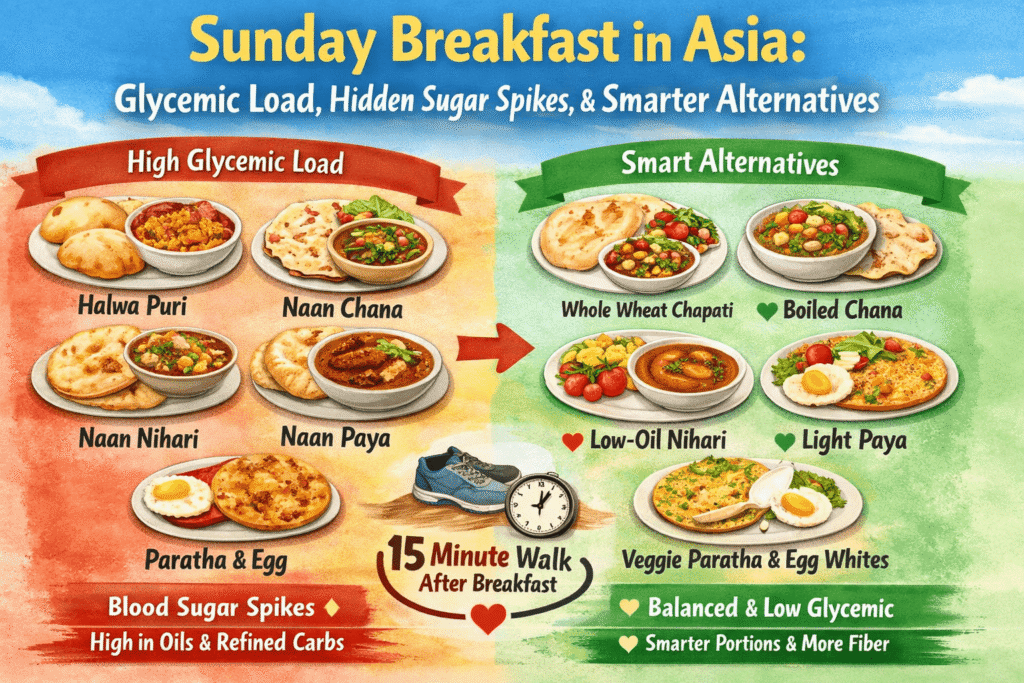
Many popular Asian Sunday breakfast dishes are loaded with refined carbohydrates, oils, and sugars, which significantly increase their glycemic load (GL)—a key factor that determines how much a food raises your blood sugar.
In this detailed guide, we’ll break down the glycemic impact of five popular Sunday breakfast meals, explain why they can be harmful—especially for people with diabetes—and most importantly, show you smart alternatives so you can enjoy your Sunday without harming your health.
Table of Contents
Understanding Glycemic Load: Why It Matters More Than You Think
Before diving into specific foods, let’s simplify an important concept: glycemic load.
- Glycemic Index (GI) tells you how fast food raises blood sugar.
- Glycemic Load (GL) tells you how much it raises blood sugar based on portion size.
👉 In simple terms:
High GL foods = Bigger blood sugar spikes
Most traditional Sunday breakfasts in Asia have:
- High refined carbs (white flour)
- High fat (oil, ghee)
- High sugar content
This combination creates a perfect storm for blood sugar spikes.
1️⃣ Halwa Puri — The King of Sunday Breakfast (and Sugar Spikes)
What Makes It Dangerous?
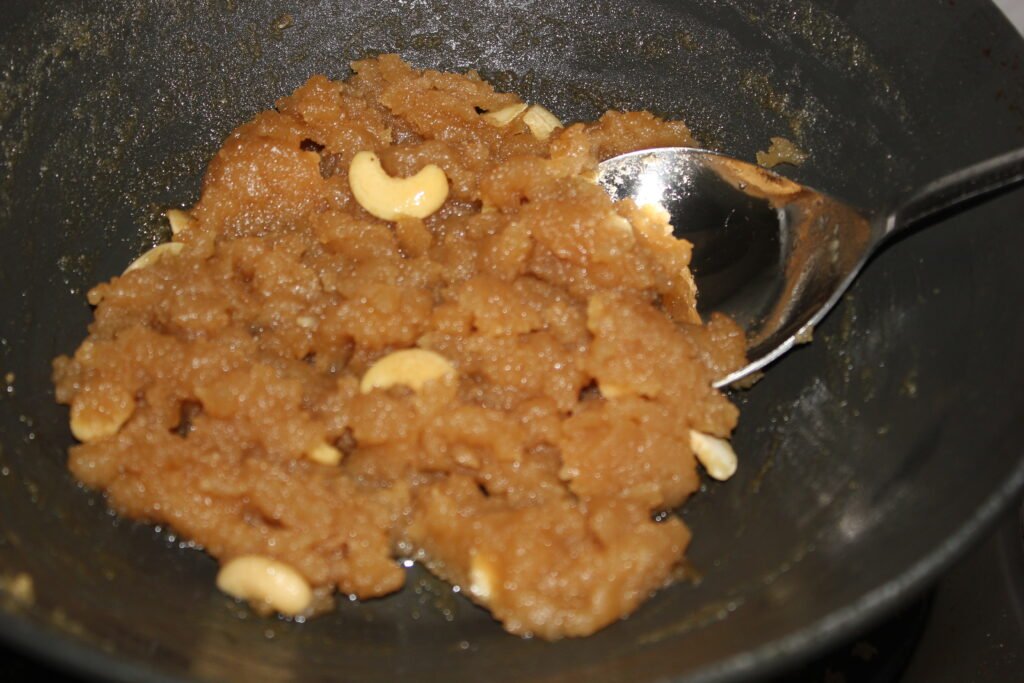
Halwa Puri is loved across South Asia. Crispy puris paired with sweet halwa—it’s irresistible. But nutritionally, it’s one of the worst combinations for blood sugar.
- Puri (white flour) → Acts like sugar in the body
- Halwa (sugar + semolina + ghee) → Rapid glucose spike
- Deep frying → Slows digestion but prolongs sugar elevation
Glycemic Impact
Even a small serving can:
- Push blood sugar levels up to 250–300 mg/dl
- Cause a rapid spike followed by a crash
Who Should Be Careful?
- Diabetics
- Pre-diabetics
- People with insulin resistance
Hidden Danger
The combination of fast carbs + fat leads to both:
- Immediate spike
- Prolonged high sugar levels
2️⃣ Naan Chana — Looks Healthy, But Isn’t Always
The Illusion of Health
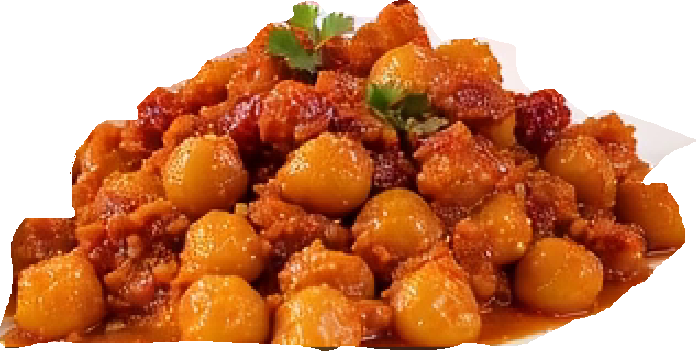
At first glance, chickpeas (chana) seem healthy—and they are! But the problem lies in how they are prepared and consumed.
- Street-style chana = oil-heavy + spicy
- Paired with naan (refined flour)
Glycemic Load Reality
- Naan quickly converts into glucose
- Oil slows digestion, keeping sugar high longer
Result?
Blood sugar rises sharply within an hour—and stays elevated.
Key Insight
Even healthy foods can become harmful when combined poorly.
3️⃣ Naan Nihari — A Slow but Dangerous Spike
What’s Inside?
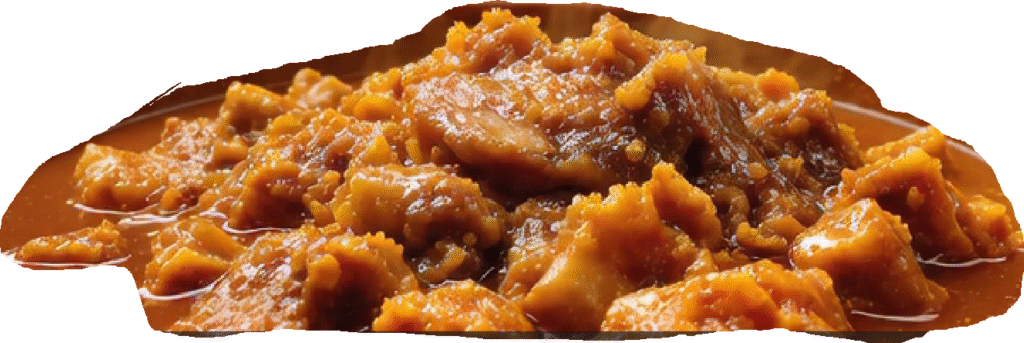
- Nihari = protein-rich meat dish
- Cooked in large amounts of oil
- Eaten with naan (refined flour)
Glycemic Behavior
Unlike Halwa Puri:
- It doesn’t spike sugar instantly
- But it keeps sugar elevated for hours
Why This Is Dangerous
Prolonged high blood sugar:
- Damages blood vessels
- Increases risk of complications
- Is especially harmful for diabetics
4️⃣ Naan Paya — The Silent Sugar Elevator
What Makes It Unique?
Paya is:
- Lower in protein
- High in fat (gelatin, marrow)
The Problem
When paired with naan:
- Fat slows digestion
- Sugar remains in bloodstream longer
Impact on Insulin
- Delays insulin action
- Causes blood sugar to stay high for 6–8 hours
Best Description
Not a spike—but a long-lasting elevation
5️⃣ Paratha + Egg — The “Healthy” Trap
Why It Looks Safe
- Eggs = high protein ✅
- Sounds balanced ❌
The Reality
- Paratha = fried in oil or ghee
- Refined or processed flour often used
Glycemic Effect
- Slower digestion
- Prolonged glucose release
Danger Scenario
If your fasting sugar is already high:
👉 This meal keeps it elevated all day
Why Sunday Breakfast Hits Harder Than Weekdays
You might wonder:
“Why does my sugar spike more on Sunday?”
Here’s the truth:
1. Larger Portions
People eat more because it’s a “special meal”
2. Higher Oil Intake
Weekend cooking is richer and heavier
3. Less Physical Activity
After eating:
- People rest
- Watch TV
- Go back to sleep
👉 Result: Glucose is not burned
4. Slower Metabolism
Lazy mornings = slower glucose utilization
The Real Problem: Combination, Not Just Food
The issue isn’t just one ingredient—it’s the combination:
- Refined carbs + fats
- Sugar + inactivity
- Large portions + poor timing
👉 This leads to:
- High glycemic load
- Long sugar spikes
- Increased insulin resistance
Smart Sunday Breakfast Alternatives (Without Killing the Fun)
Let’s be realistic—you don’t want to give up Sunday breakfast. And you don’t have to.
The goal is smart modification, not elimination.
1. Replace Naan with Healthier Options
Better Choices:
- Half whole-wheat chapati
- Multigrain roti
- Small portion control
Why It Works
- Lower glycemic load
- Slower glucose release
2. Modify Halwa Puri — Don’t Eliminate It Completely
Smarter Approach:
- Reduce portion size (2 puris instead of 4)
- Choose dry puris (less oil)
- Take a small spoon of halwa, not a full serving
Even Better Alternative:
- Swap halwa with unsweetened yogurt
3. Upgrade Chana for Better Blood Sugar Control
What to Do:
- Use boiled chickpeas with less oil
- Increase gravy, reduce chunk quantity
- Add fiber (onions, salad)
Bonus Tip:
Fiber slows glucose absorption naturally
4. Make Nihari and Paya Healthier
Practical Adjustments:
- Ask for low-oil preparation
- Remove excess oil layer before eating
- Pair with smaller bread portion
Add This:
- Fresh salad
- Lemon juice
👉 Helps reduce glycemic impact
5. Improve Paratha + Egg Combo
Healthier Version:
- Use less oil or dry roast
- Choose whole wheat flour
- Add vegetables (spinach, onions)
Why It Helps
- Adds fiber
- Reduces glycemic load
- Improves insulin response
6. The 15-Minute Rule: Your Secret Weapon
One simple habit can change everything:
👉 Walk for 15 minutes after breakfast
Benefits:
- Burns glucose
- Reduces sugar spike
- Improves insulin sensitivity
This alone can cut sugar damage by nearly half
7. Portion Control: The Most Underrated Strategy
You don’t need to quit your favorite foods.
Just:
- Eat less quantity
- Avoid second servings
- Eat slowly
👉 Smaller portions = Lower glycemic load
8. Add Protein and Fiber to Every Meal
Balance your plate:
- Protein (eggs, lentils)
- Fiber (vegetables, salad)
- Healthy fats (controlled amount)
👉 This combination stabilizes blood sugar
9. Hydration Matters More Than You Think
Drink:
- Water
- Lemon water
Avoid:
- Sugary drinks
- Sweet tea
Hydration helps regulate metabolism and glucose levels.
10. Mindful Eating: The Missing Piece
Instead of eating mindlessly:
- Focus on your meal
- Eat slowly
- Stop before you feel full
This improves digestion and prevents overeating.
Conclusion: Enjoy Your Sunday Breakfast Without Regret
A traditional Sunday breakfast is more than just food—it’s culture, comfort, and connection. But understanding its glycemic load is essential, especially in today’s world where diabetes and insulin resistance are rising rapidly.
The goal isn’t to give up your favorite meals—it’s to make smarter choices.
By:
- Reducing portion sizes
- Choosing better ingredients
- Staying active after meals
You can enjoy every bite without harming your health.
Remember:
It’s not about perfection—it’s about balance.
Make your Sunday breakfast not just delicious, but also safe, smart, and sustainable for your body.