
Have you ever gone to bed after eating a light dinner, only to wake up the next morning with a blood sugar reading of 150 or even 180 mg/dL? If so, you are not alone. Many people with diabetes or prediabetes experience high fasting blood sugar in the morning, even when they have not eaten anything for eight to ten hours.
This can be confusing. You might assume that eating less at dinner should automatically lead to lower morning blood sugar. However, your body’s glucose regulation is more complicated than that. Hormones, liver activity, sleep quality, stress, physical activity, medication timing, and the type and quantity of food you eat can all influence your morning reading.
The good news is that several practical lifestyle changes may help you manage your blood glucose more effectively.
In this guide, you will learn how to lower fasting blood sugar naturally, why glucose levels sometimes rise overnight, which foods to consider, and how to build a balanced one-day meal plan using familiar South Asian foods. You will also discover when high fasting glucose requires medical attention and which common home remedies deserve a closer look.

This article is intended for general education. Natural approaches can support diabetes management, but they are not a substitute for prescribed medication or individualized medical care.
Table of Contents
What Is Fasting Blood Sugar?
Fasting blood sugar, also called fasting blood glucose, is the amount of glucose in your bloodstream after you have gone without food or caloric drinks for at least eight hours. It is commonly measured in the morning before breakfast.
Glucose is the body’s primary source of energy. After you eat, carbohydrates are broken down into glucose, which enters the bloodstream. The hormone insulin helps move glucose from the blood into cells, where it can be used or stored.
During fasting, your body still needs energy. Your liver releases stored glucose and can produce additional glucose to maintain an adequate supply. Insulin and other hormones help regulate this process.
In people with diabetes, the body may not produce enough insulin or may not respond to it effectively. As a result, the liver may release more glucose than necessary, causing fasting blood sugar to remain elevated.
What Is a Normal Fasting Blood Sugar Level?
For nonpregnant adults, commonly used laboratory ranges are shown below.
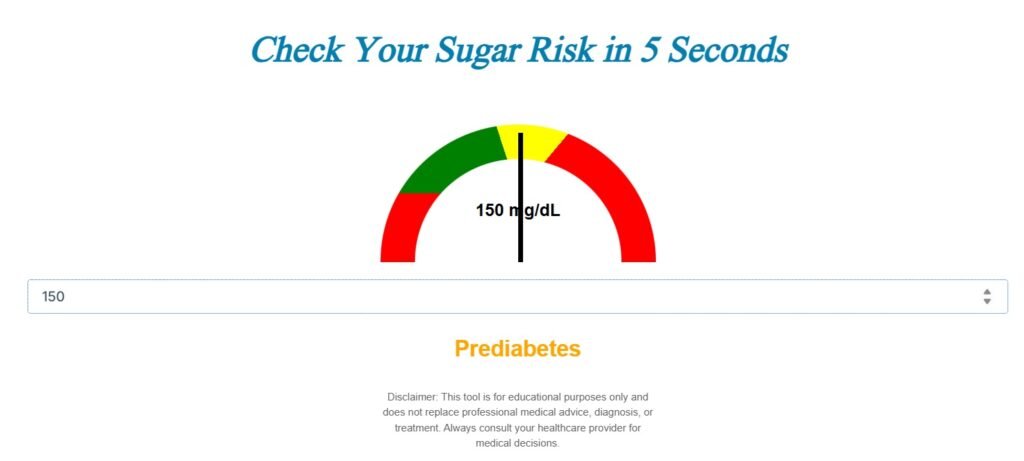
| Fasting blood glucose | General interpretation |
|---|---|
| 70–99 mg/dL | Normal range |
| 100–125 mg/dL | Prediabetes range |
| 126 mg/dL or higher | Diabetes range; usually requires confirmation with repeat testing or another diagnostic test |
These are diagnostic thresholds for laboratory testing, not a universal treatment target for everyone who already has diabetes. A home glucose meter can also produce readings that differ from laboratory results.
For many nonpregnant adults with diabetes, a commonly recommended premeal glucose target is 80–130 mg/dL, although individual targets vary according to age, medications, other health conditions, and the risk of low blood sugar.
If your fasting readings are repeatedly above your personal target, discuss them with your healthcare professional. A single reading does not tell the whole story.
Why Is Blood Sugar High in the Morning Even Without Eating?
One of the most frustrating diabetes experiences is waking up with high blood sugar despite not eating overnight. Several mechanisms may explain this pattern.
1. The Dawn Phenomenon
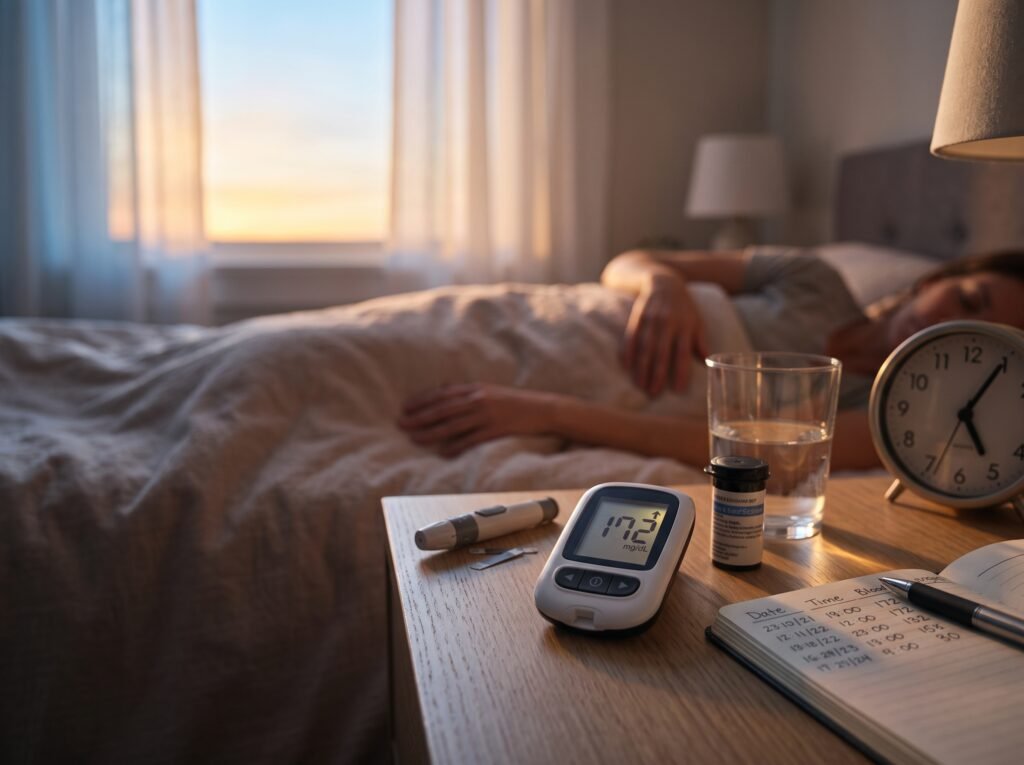
The dawn phenomenon is a natural early-morning rise in blood glucose. In the hours before waking, the body releases hormones, including cortisol and growth hormone, that help prepare it for the day.
These hormonal changes can signal the liver to release glucose. In someone without diabetes, insulin generally helps keep this rise under control. In someone with diabetes or insulin resistance, the body may not compensate effectively.
The result can be elevated fasting blood sugar, even after a reasonable evening meal.
The dawn phenomenon cannot always be corrected by eating less at night. It may require reviewing your overall diabetes management with a healthcare professional.
2. Eating Dinner Too Late
A large meal shortly before bedtime may contribute to elevated overnight or morning glucose, particularly when the meal contains substantial amounts of rapidly digested carbohydrates.
For example, a large serving of white rice, several refined-flour rotis, sugary desserts, and sweetened drinks can deliver a considerable carbohydrate load.
However, dinner timing affects people differently. There is no universal rule that everyone must finish dinner before exactly 8 p.m. Instead, aim for a consistent eating schedule, sensible portions, and enough time between dinner and bedtime to suit your routine.
3. Consuming Too Many Carbohydrates at Dinner

Carbohydrates have the most direct effect on post-meal blood glucose. Foods such as rice, roti, bread, potatoes, fruit, milk, and lentils all contain varying amounts of carbohydrates.
The solution is not to eliminate all carbohydrates. Rather, consider the type, portion size, and combination of foods in your meal.
For example, one appropriately sized whole-wheat chapati with lentils, vegetables, and salad may be a more balanced option than a large serving of refined-flour bread eaten with a carbohydrate-heavy side dish.
The ideal portion depends on your energy needs, medication, activity level, and glucose response.
4. Poor Sleep and Stress
Sleep and blood glucose regulation are closely connected. Insufficient sleep, irregular sleep schedules, and ongoing stress can affect hormones involved in glucose control and may worsen insulin resistance.
If you regularly sleep for only a few hours, your morning glucose readings may become more difficult to manage.
Aim for approximately seven to nine hours of sleep per night if you are an adult, with consistent sleep and waking times where possible.
Stress management will not replace diabetes treatment, but relaxation exercises, gentle activity, and a consistent bedtime routine may support overall glucose management.
5. Medication Timing or Other Medical Factors
Sometimes, high fasting glucose is related to the timing, dose, or effectiveness of diabetes medication. Illness, changes in physical activity, certain medicines, and other health conditions may also contribute.
Some people taking insulin or glucose-lowering medication may experience overnight hypoglycemia, followed by higher glucose later. This is sometimes called rebound hyperglycemia, but it should not be assumed to be the cause without evidence.
If you suspect overnight lows or unexplained morning highs, your clinician may recommend checking glucose at bedtime and during the night or using a continuous glucose monitor.
Do not change your insulin dose or stop medication on your own.
How to Lower Fasting Blood Sugar Naturally: 7 Practical Tips
If you want to improve your morning glucose readings, focus on habits you can maintain consistently. You do not need an extreme diet or an expensive collection of supplements. Start with balanced meals, regular movement, adequate sleep, and careful glucose monitoring.
1. Eat a Balanced Dinner With Appropriate Portions
Your evening meal is one part of your overall blood glucose management strategy. Try building dinner around non-starchy vegetables, a suitable protein source, and a measured portion of carbohydrate-rich food.
For example, a South Asian dinner could include:
- One small whole-wheat chapati.
- A serving of daal or grilled chicken.
- Cooked vegetables such as bhindi, cauliflower, or tori.
- Cucumber and tomato salad.
If you prefer rice, you do not necessarily need to eliminate it. Start with a moderate serving and combine it with protein and vegetables. Brown rice may provide more fiber than white rice, but portion size remains important.
Practical tip: If your morning readings are consistently high, record what you eat at dinner and compare your glucose patterns over several days. This can help you identify possible associations without assuming that one particular food is always responsible.
2. Take a Short Walk After Dinner
Walking is one of the simplest ways to add physical activity to your daily routine. When muscles contract, they use glucose for energy. Regular activity can also improve insulin sensitivity.
A 10–15-minute walk after dinner is a reasonable starting point for many adults who can walk safely. You can gradually increase your activity according to your fitness and medical needs.
If you cannot walk outdoors, consider gentle indoor walking or another suitable activity.
People who use insulin or medications that can cause hypoglycemia should be aware that exercise can lower glucose and may require an individualized safety plan.
3. Choose High-Fiber Foods More Often
Fiber slows digestion in some meals, supports digestive health, and can help improve overall blood glucose management.
Useful options include:
- Whole-wheat chapati in appropriate portions.
- Lentils and chickpeas.
- Non-starchy vegetables.
- Whole fruit instead of fruit juice.
- Oats and other minimally processed whole grains.
- Nuts and seeds in moderate amounts.
Remember that fiber-rich foods still contain calories and, in many cases, carbohydrates. Chickpeas, lentils, oats, and whole grains can fit into a diabetes-friendly diet, but their portion sizes matter.
You do not need to purchase expensive imported foods to eat more fiber. Ordinary foods available in Pakistan and India can provide a useful variety.
4. Improve Your Sleep Routine
Poor sleep can make glucose regulation more difficult. Improving your sleep routine is therefore a sensible part of managing fasting blood sugar.
Try these practical habits:
- Go to bed and wake up at approximately the same time each day.
- Avoid caffeine late in the day if it affects your sleep.
- Keep your bedroom dark, quiet, and comfortable.
- Reduce stimulating activities shortly before bedtime.
- Avoid very heavy meals close to bedtime if they cause discomfort.
If you snore loudly, wake up gasping, or remain excessively sleepy during the day, ask your healthcare professional whether sleep apnea should be assessed. This condition is associated with insulin resistance and is common in people with type 2 diabetes.
5. Drink Enough Water
Staying hydrated supports normal body function and helps your kidneys regulate fluid balance and eliminate waste.
When blood glucose is very high, the kidneys may remove more glucose through urine, which can increase fluid loss. Drinking water can help prevent dehydration, but water does not directly dilute blood sugar as a treatment.
Choose water instead of sugary drinks most of the time. Adjust your fluid intake to your activity level, climate, and medical needs.
If you have kidney failure, heart failure, or a prescribed fluid restriction, follow your healthcare professional’s advice rather than aiming for a fixed daily amount.
6. Manage Stress and Maintain a Consistent Routine
Stress can influence glucose levels through hormonal and behavioral pathways. It may also disrupt sleep, increase cravings, or make it harder to follow your usual eating and medication schedule.
Consider simple approaches such as:
- Five minutes of slow, comfortable breathing.
- Gentle stretching.
- Prayer, meditation, or another calming practice that suits you.
- Talking with family or friends.
- Setting aside time for regular physical activity.
These strategies can support your overall well-being. Their effect on fasting glucose varies, so continue monitoring your readings and following your treatment plan.
7. Monitor Your Blood Sugar and Look for Patterns
A glucose reading is more useful when you understand the circumstances surrounding it.
If you use a home glucose meter, wash and dry your hands before testing. Follow your meter’s instructions and record your results accurately.
You might track:
| Information to record | Why it matters |
|---|---|
| Morning fasting glucose | Shows your glucose level after an overnight fast |
| Dinner time and food portions | Helps identify possible meal-related patterns |
| Bedtime glucose, when advised | Helps compare evening and morning readings |
| Sleep duration | May reveal associations between poor sleep and glucose |
| Physical activity | Helps you understand how movement affects your readings |
| Medication timing | Helps your clinician assess whether treatment needs review |
If your fasting glucose remains high despite reasonable lifestyle changes, take these records to your healthcare professional. Do not keep reducing your food intake in an attempt to force the number down.
A One-Day Diet Plan for High Fasting Blood Sugar
A practical meal plan can make healthy eating easier. The following example uses familiar foods and emphasizes balanced portions rather than eliminating carbohydrates.
The quantities are illustrative, not a personalized prescription. Your needs may differ depending on your body size, activity, glucose targets, medications, and other health conditions.
| Time | Meal | Suggested foods |
|---|---|---|
| Early morning | Hydration | A glass of plain water |
| 8:00 a.m. | Breakfast | Two eggs prepared as a vegetable omelet, plus one small whole-wheat chapati if desired |
| 10:30 a.m. | Optional snack | Approximately 15–20 g of unsalted mixed nuts, if hungry |
| 1:00 p.m. | Lunch | One small chapati, daal or grilled chicken, cooked vegetables, and salad |
| 4:00 p.m. | Optional snack | A small portion of roasted chickpeas or one serving of whole fruit |
| 7:00 p.m. | Dinner | Grilled fish or chicken, non-starchy vegetables, salad, and a suitable portion of chapati or another carbohydrate source |
| After dinner | Physical activity | A comfortable 10–15-minute walk, if safe |
| Before bed | Optional snack | Only if needed for hunger or recommended as part of your diabetes treatment plan |
The times can be adjusted to your daily schedule. What matters most is consistency and a meal pattern that supports your individual glucose targets.
Why This Diet Plan May Help
This meal plan includes protein, vegetables, fiber-containing foods, and measured portions of carbohydrates.
Eggs, chicken, and fish provide protein. Vegetables contribute fiber and micronutrients. Daal and chickpeas provide both protein and carbohydrates. Chapati supplies energy but should be portioned according to your needs.
This combination may help you feel satisfied and make your carbohydrate intake easier to manage.
However, no particular meal plan can guarantee that your fasting glucose will fall to a specific number. The dawn phenomenon, medication, sleep, and other factors may continue to influence your readings.
Should You Drink Fenugreek Water in the Morning?
Fenugreek seeds are traditionally used in South Asian diets and home remedies. Some studies suggest that fenugreek may have glucose-lowering effects, but the evidence is limited by differences in study quality, doses, and preparations.
Fenugreek is not essential to a diabetes-friendly diet, and drinking soaked fenugreek water is not a proven treatment for high fasting blood sugar.
It may interact with glucose-lowering medication and increase the risk of hypoglycemia. It can also cause digestive symptoms and may not be suitable for everyone.
If you are considering fenugreek supplements or medicinal quantities, discuss them with your healthcare professional, particularly if you take diabetes medication or other medicines.
Best Foods to Help Manage Fasting Blood Sugar
There is no single food that reliably lowers fasting glucose overnight. Instead, build your diet around a variety of minimally processed foods and appropriate portions.
| Food | Potential benefit | What to consider |
|---|---|---|
| Eggs | Provide protein with very few carbohydrates | Prepare with moderate amounts of oil |
| Lentils (daal) | Provide fiber, protein, and carbohydrates | Adjust the portion to your meal plan |
| Chickpeas | Supply fiber and plant-based protein | Roasted and boiled versions both contain carbohydrates |
| Okra (bhindi) | Provides fiber and is relatively low in carbohydrates | Limit excess oil in preparation |
| Cauliflower | A versatile, low-carbohydrate vegetable | Prefer steaming, roasting, or light cooking |
| Whole-wheat chapati | Provides carbohydrates and some fiber | Size and flour composition affect the carbohydrate content |
| Nuts | Provide unsaturated fats, fiber, and some protein | Keep portions moderate because they are calorie-dense |
| Plain milk or yogurt | Provides protein and other nutrients | Milk sugar and added sugars contribute carbohydrates |
| Whole fruit | Provides fiber, vitamins, and natural sugars | Choose a suitable portion instead of juice |
| Fish | Provides protein and, in some varieties, omega-3 fats | Grill, bake, or cook with moderate amounts of oil |
Your overall eating pattern matters more than any individual item. Even foods considered healthy can raise blood glucose when eaten in large quantities.
Foods and Habits to Limit if Your Morning Blood Sugar Is High
You do not necessarily need to ban particular foods, but some choices can make glucose management more difficult.
Sugary Drinks and Fruit Juice
Soft drinks, sweetened tea, packaged juices, and sugar-containing energy drinks can deliver substantial amounts of rapidly absorbed carbohydrates.
Choose water or unsweetened beverages more often. Whole fruit is generally preferable to juice because it retains its fiber and is usually more filling.
Large Portions of Refined Carbohydrates
Large servings of white rice, naan, refined-flour bread, and other starch-heavy foods can contribute to a high carbohydrate intake.
You can still enjoy traditional foods. Focus on appropriate portions, preparation methods, and combining carbohydrates with vegetables and protein.
Late-Night Snacking Without Considering Portions
Frequent snacks after dinner may increase your total calorie and carbohydrate intake, particularly if they include biscuits, sweets, chips, or sugary drinks.
If you feel hungry at night, first consider whether your dinner was balanced and sufficient. If you take insulin or medicines that can cause low blood sugar, do not ignore possible hypoglycemia or routinely skip a snack prescribed as part of your treatment plan.
Relying on Home Remedies Instead of Treatment
Apple cider vinegar, fenugreek water, cinnamon, and other popular remedies are sometimes promoted as ways to normalize blood glucose.
Evidence for their effectiveness is limited or inconsistent, and none should replace established diabetes treatment. Supplements may also cause side effects or interact with medicines.
A safer strategy is to focus on a balanced diet, physical activity, adequate sleep, prescribed medication, and regular monitoring.
Can Walking After Dinner Lower Fasting Blood Sugar?
Walking after dinner can help reduce the rise in glucose that occurs after eating. Repeated physical activity may also improve insulin sensitivity over time.
For many people, a short walk of 10–15 minutes after dinner is a practical starting point. You can increase the duration gradually if your fitness and health allow.
However, walking does not guarantee a normal fasting reading the next morning. If the dawn phenomenon or another medical factor is contributing to your high glucose, you may need additional management.
If you have foot ulcers, balance problems, significant mobility limitations, or a history of exercise-related hypoglycemia, seek advice about appropriate physical activity.
How Long Does It Take to Lower Fasting Blood Sugar Naturally?
The answer depends on why your blood sugar is elevated.
Changes in meal composition and physical activity can influence glucose readings within hours or days. Improvements in overall glucose control may take longer and depend on how consistently you follow your treatment plan.
Some people notice changes after improving their dinner portions, walking regularly, and sleeping better. Others continue to have elevated fasting readings because of the dawn phenomenon, insulin resistance, medication requirements, or other medical factors.
There is no reliable timetable that guarantees results within one or two weeks.
Keep a record of your fasting readings and review the pattern over several days. Your healthcare professional may also recommend an HbA1c test, which provides information about your average blood glucose over approximately the previous two to three months.
Do not delay medical advice while waiting for lifestyle changes to work. Persistent high glucose may require changes to your treatment plan.
When Should You See a Healthcare Professional?
Occasional variation in fasting glucose is common, but repeated high readings deserve attention.
Contact your healthcare professional if:
- Your fasting readings repeatedly exceed your individual target.
- Your readings are consistently around 150–180 mg/dL or higher and you have diabetes.
- You experience frequent urination, unusual thirst, blurred vision, or unexplained weight loss.
- Your glucose readings change significantly after starting a new medicine.
- You suspect low blood sugar during the night.
- You are pregnant or planning pregnancy and have elevated glucose readings.
If your blood glucose is very high and you develop vomiting, abdominal pain, deep or rapid breathing, confusion, severe dehydration, or difficulty staying awake, seek emergency medical care. These can be warning signs of a serious diabetes complication.
People who use insulin or certain glucose-lowering medications should also know how to recognize and treat hypoglycemia. A glucose reading below 70 mg/dL is generally considered low and needs prompt attention.
Frequently Asked Questions About How to Lower Fasting Blood Sugar Naturally
1. How can I lower fasting blood sugar naturally?
Start by eating balanced meals with appropriate carbohydrate portions, engaging in regular physical activity, improving sleep, drinking enough water, and monitoring your glucose. These habits can support diabetes management, but persistent high fasting glucose may require medical treatment.
2. Why is my fasting blood sugar high even when I do not eat at night?
Your liver continues releasing glucose while you sleep. Hormonal changes before waking can increase this release, a process known as the dawn phenomenon. Medication timing, illness, stress, and other factors may also contribute.
3. What should I eat for dinner to help manage morning blood sugar?
Consider a balanced meal containing non-starchy vegetables, a protein source such as fish, chicken, eggs, or daal, and a measured portion of carbohydrate-rich food such as chapati or rice. The best portions depend on your individual needs and treatment plan.
4. Does drinking fenugreek water reduce fasting blood sugar?
Some research suggests fenugreek may have a modest glucose-lowering effect, but the evidence is not strong enough to guarantee benefits from soaked fenugreek water. It should not replace prescribed diabetes medication, and medicinal use should be discussed with a healthcare professional.
5. Is it good to drink milk before bed if I have diabetes?
Unsweetened milk can fit into some diabetes meal plans, but it contains lactose, a natural carbohydrate that can raise blood glucose. Drinking milk before bed does not reliably prevent the dawn phenomenon. Whether you need a bedtime snack depends on your hunger, medication, and glucose patterns.
6. Does walking after dinner lower morning blood sugar?
Walking after dinner can help reduce post-meal glucose levels and improve insulin sensitivity over time. However, its effect on the following morning’s reading varies, and it may not fully address the dawn phenomenon.
7. Is a fasting blood sugar of 150 mg/dL dangerous?
A fasting reading of 150 mg/dL is above the commonly recommended premeal target for many nonpregnant adults with diabetes. One reading does not usually indicate an emergency by itself, but repeated readings at this level warrant a discussion with your healthcare professional. Seek urgent care if very high glucose is accompanied by serious symptoms such as vomiting, confusion, or difficulty breathing.
8. Can I reduce fasting blood sugar without medication?
Lifestyle changes can substantially improve glucose management for some people. However, many people need medication to reach their targets safely. Never stop, reduce, or replace prescribed medication with natural remedies without medical guidance.
9. What is the best time to eat dinner to manage fasting glucose?
A consistent dinner schedule that leaves sufficient time before bedtime may help some people. The ideal timing varies with your work routine, sleep schedule, medication, and other factors. Finishing dinner before 8 p.m. is not a universal medical requirement.
10. What fasting blood sugar level should I aim for?
For many nonpregnant adults with diabetes, the commonly recommended premeal target is 80–130 mg/dL. However, your target may differ depending on your age, other health conditions, medications, and risk of hypoglycemia. Ask your healthcare professional to establish a suitable target for you.
Conclusion
Learning how to lower fasting blood sugar naturally starts with understanding why your glucose is elevated in the morning. The dawn phenomenon, late or carbohydrate-heavy meals, inadequate sleep, stress, medication timing, and other medical factors can all contribute to high fasting readings. A balanced South Asian diet, sensible carbohydrate portions, regular walking, sufficient sleep, and appropriate hydration can support better glucose management. Monitor your readings consistently, pay attention to patterns, and seek professional advice if your fasting blood sugar remains high. Most importantly, remember that healthy habits and medical treatment can work together. There is no guaranteed food, drink, or home remedy that will normalize everyone’s morning glucose, but a consistent, individualized approach can help you work toward safer and more stable blood sugar levels.