
Diabetes Does Not Require Expensive Food
Many people believe that managing diabetes requires expensive foods, imported products, sugar-free snacks, and costly supplements. This misconception creates anxiety among millions of families struggling with limited incomes.
In south Asia, a large portion of the population lives under financial constraints. For these families, buying specialized diabetic products is simply not possible. However, the good news is that diabetes management does not depend on expensive foods.
Simple, traditional, and locally available South Asian foods can effectively support blood sugar control when consumed in the right portions and at the right times.
The secret lies not in spending more money but in understanding what to eat, how much to eat, and when to eat it.
As the Holy Quran teaches:
“Eat and drink, but do not be excessive. Indeed, Allah does not like those who commit excess.”
This timeless principle of moderation serves as one of the most powerful dietary guidelines for people living with diabetes.
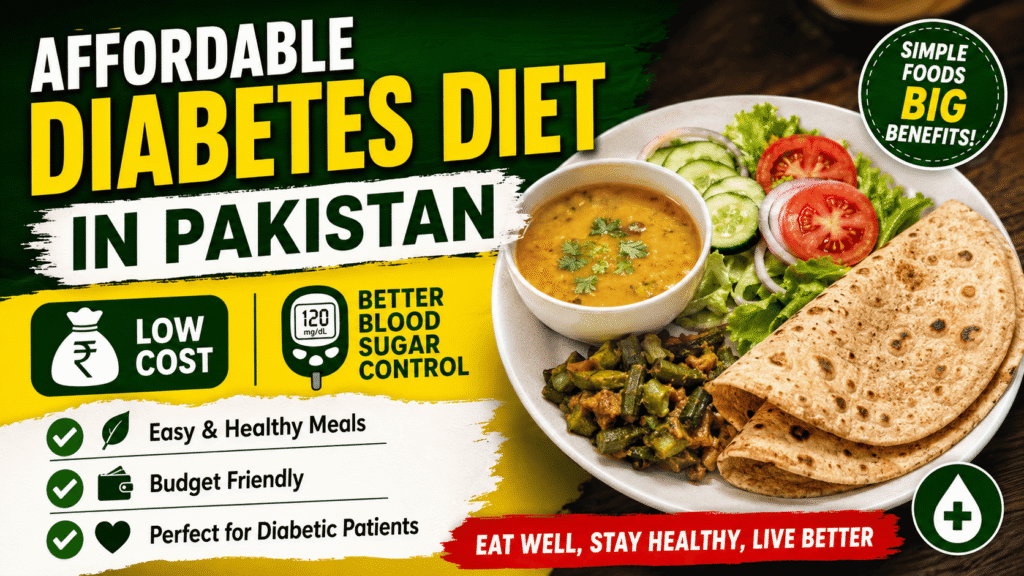
In this article, we will discuss a complete affordable diet plan for diabetics, explain glycemic load in simple language, and provide practical strategies for maintaining healthy blood sugar levels without increasing food expenses.
Table of Contents
Why Affordable Foods Can Be Better for Diabetes
Many processed diabetic foods marketed today contain hidden sugars, unhealthy fats, preservatives, and excessive calories.
On the other hand, traditional South Asiai foods often provide:
- Dietary fiber
- Plant-based protein
- Essential vitamins
- Minerals
- Slow-digesting carbohydrates
Foods such as:
- Lentils
- Chickpeas
- Spinach
- Bottle gourd
- Okra
- Yogurt
- Eggs
- Whole wheat chapati
can contribute significantly toward improving blood glucose control.
Research consistently shows that diets rich in fiber and moderate in carbohydrates help reduce blood sugar fluctuations and improve insulin sensitivity.
Therefore, a low-cost diet can sometimes be healthier than an expensive diet dominated by processed foods.
Understanding Glycemic Load in Simple Terms
One of the most useful concepts for diabetic patients is glycemic load.
Many people only focus on avoiding sugar.
However, diabetes management is much broader than simply avoiding sweets.
Bread, rice, potatoes, and flour-based foods are also converted into glucose inside the body.
Glycemic load measures two important factors:
- How quickly a food raises blood sugar.
- How much carbohydrate is present in a serving.
A food may have a high glycemic index but a relatively low glycemic load if eaten in small quantities.
Generally:
Low Glycemic Load: Less than 10
Moderate Glycemic Load: 11–19
High Glycemic Load: 20 or above
People with diabetes should prioritize foods with low or moderate glycemic loads.
This strategy helps maintain stable blood glucose levels throughout the day.
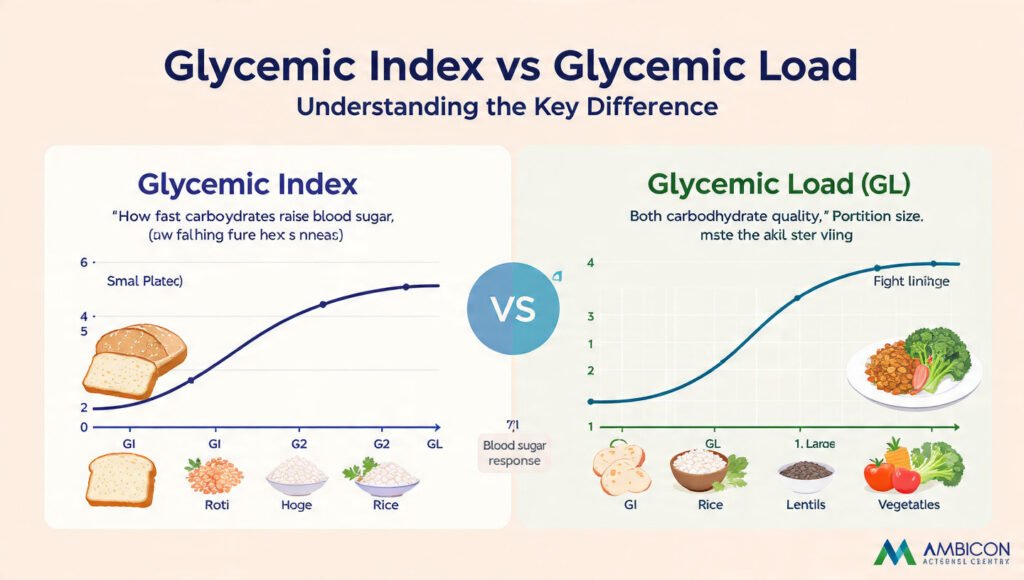
The Biggest Dietary Mistake Diabetic Patients Make
One of the most common misconceptions among diabetic patients is:
“I do not eat sweets, so my diabetes is under control.”
Unfortunately, this is often not true.
Several everyday foods can increase blood sugar dramatically, including:
- White bread
- Large portions of chapati
- White rice
- Potatoes
- Sweetened beverages
- Sugary tea
- Biscuits
- Bakery products
Even healthy foods can become problematic if portion sizes are excessive.
For example:
Two medium chapatis may be acceptable.
Four or five chapatis consumed in a single meal can substantially increase blood glucose levels.
Portion control remains one of the most powerful tools for managing diabetes.
Affordable Diet Plan for Diabetics
An Affordable Breakfast for Diabetic Patients
Breakfast sets the tone for the entire day.
A poor breakfast choice can trigger elevated blood sugar levels for hours.
Many South Asiai households begin the day with:
- Paratha
- Biscuits
- Sweet tea
- Fried snacks
- Bakery products
These foods are high in refined carbohydrates and unhealthy fats.
Instead, consider these affordable alternatives.
Option 1: Chapati and Lentils
One thin whole wheat chapati
Half a cup of lentils
Unsweetened tea
Approximate Glycemic Load:
15
This combination provides:
- Fiber
- Protein
- Complex carbohydrates
- Satiety
It also keeps hunger under control for longer periods.
Option 2: Boiled Egg and Chapati
One boiled egg
One small chapati
Sugar-free tea
Approximate Glycemic Load:
12–15
Eggs provide high-quality protein and help reduce sudden increases in blood sugar.
Option 3: Yogurt with Chickpeas
Half cup boiled chickpeas
Small serving of plain yogurt
Cucumber slices
Approximate Glycemic Load:
10–12
This meal is inexpensive and highly filling.
Healthy Mid-Morning Snacks for Low-Income Families
Skipping meals often leads to overeating later in the day.
Healthy snacks can stabilize blood sugar and reduce cravings.
Affordable snack options include:
Boiled Chickpeas
Half cup serving
Rich in:
- Protein
- Fiber
- Iron
Estimated Glycemic Load:
8
Cucumber
Low in calories
Hydrating
Supports digestion
Estimated Glycemic Load:
1
Tomato
Contains antioxidants
Low carbohydrate content
Estimated Glycemic Load:
1–2
Boiled Egg
Excellent protein source
Very low glycemic impact
Estimated Glycemic Load:
Near zero
These snacks are widely available and fit comfortably within modest household budgets.
Affordable Lunch Ideas for Diabetic Patients
Lunch is often the largest meal in South Asiai households.
Unfortunately, it is also where many diabetic individuals consume excessive carbohydrates.
Typical lunch plates may contain:
Three to four chapatis
Large portions of rice
Heavy curries
Excess oil
Sugary beverages
These choices contribute significantly to blood sugar spikes.
A healthier and more economical approach includes balanced portions.
Recommended Lunch Plate
Two thin chapatis
Half cup lentils
One cup vegetables
Fresh salad
Optional small portion of meat once or twice weekly
Approximate Glycemic Load:
Around 25
Although this falls within the moderate range, the fiber content slows digestion and reduces glucose surges.
The Importance of Vegetables in Diabetes Management
Vegetables play an essential role in blood sugar control.
They provide nutrients while adding volume to meals without excessive calories.
Affordable vegetables available throughout South Asia include:
Spinach
Rich in magnesium
Contains antioxidants
Supports insulin sensitivity
Bottle Gourd
Easy to digest
Low calorie
Hydrating
Okra
Contains soluble fiber
May assist glucose regulation
Cabbage
Affordable year-round
Rich in vitamin C
Supports gut health
Turnip
Contains fiber
Low glycemic impact
Adding vegetables to every meal increases fullness and reduces dependency on carbohydrate-heavy foods.
Can Poor Families Afford Protein?
Many people assume protein is expensive.
In reality, several protein sources remain highly affordable.
Examples include:
Lentils
One of the cheapest protein options available.
Different varieties include:
- Masoor dal
- Moong dal
- Chana dal
Chickpeas
Economical and nutritious.
Contain both protein and fiber.
Eggs
Perhaps the most cost-effective animal protein source.
Provide essential amino acids.
Yogurt
Supports digestive health.
Contains probiotics.
Improves satiety.
Beans
Excellent alternative protein source.
Inexpensive and filling.
Even small amounts of protein can significantly improve blood sugar management.
Why Portion Size Matters More Than Food Labels
Some people purchase expensive diabetic products believing they are healthier.
However, quantity often matters more than marketing claims.
Consider this example.
Two chapatis weighing approximately 50 grams each may fit comfortably into a diabetic meal plan.
But increasing consumption to four chapatis doubles carbohydrate intake.
This increases glycemic load substantially.
Similarly:
Half cup rice may be acceptable.
Two full plates of rice can overwhelm the body’s ability to regulate glucose.
Portion awareness remains crucial.
Simple strategies include:
Using smaller plates
Eating slowly
Drinking water before meals
Including vegetables first
Prioritizing protein
These techniques improve satisfaction without increasing food costs.
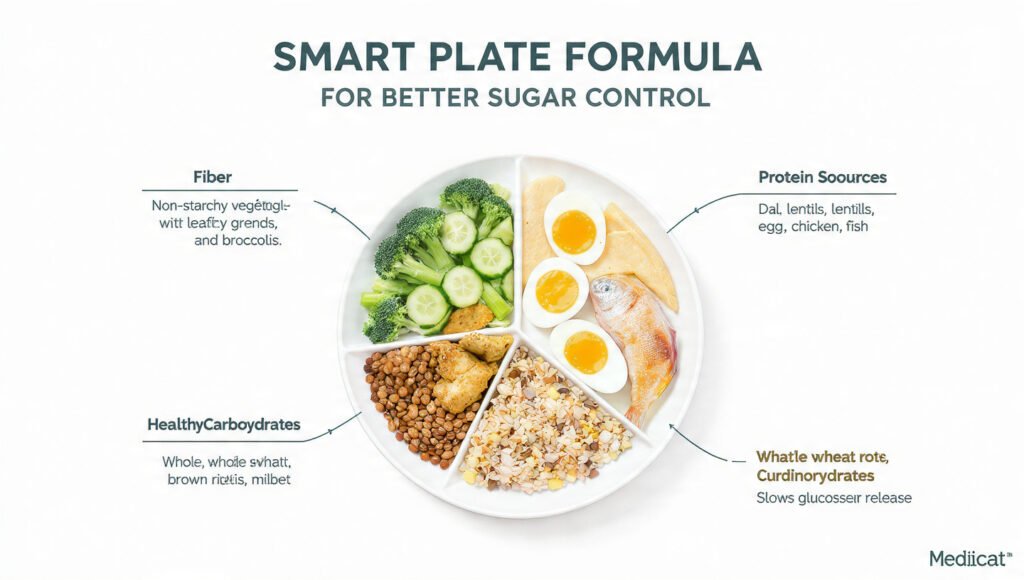
Evening Hunger: What Should Diabetic Patients Eat?
Many individuals experience hunger between lunch and dinner.
This period often leads to unhealthy choices such as:
Biscuits
Pakoras
Samosas
Sweet tea
Bakery snacks
Instead, healthier alternatives include:
Half cup boiled chickpeas
One boiled egg
Tomato slices
Cucumber
Plain yogurt
Roasted gram
These foods typically have glycemic loads ranging from 5 to 8.
They help maintain energy levels while preventing dramatic increases in blood sugar.
Dinner Should Always Be Light
One of the biggest mistakes diabetic patients make is eating heavy dinners late at night.
Excessive nighttime eating may contribute to:
Poor glucose control
Weight gain
Sleep disturbances
Elevated fasting blood sugar levels
A healthier dinner may include:
One thin chapati
Cooked vegetables
Half cup lentils
Plain yogurt
Unsweetened milk
Approximate Glycemic Load:
15
Keeping dinner light supports overnight metabolic stability and helps maintain better fasting glucose values the following morning.
Walking After Meals: A Free Medicine for Diabetes
Exercise does not require gym memberships or expensive equipment.
Walking remains one of the most effective tools for diabetes management.
A simple 30-minute walk after meals can:
Improve insulin sensitivity
Reduce post-meal blood sugar spikes
Support weight management
Enhance cardiovascular health
Improve mood
Reduce stress
Best of all, it costs nothing.
For financially challenged households, walking represents one of the most accessible forms of diabetes therapy available.
A 7-Day Budget-Friendly Diet Plan for Diabetic Patients
One of the biggest challenges diabetic patients face is planning meals that are affordable, nutritious, and easy to prepare. The following weekly meal plan focuses on common South Asiai foods that are inexpensive and widely available.
Day 1
Breakfast
- One thin chapati
- Half cup lentils
- Unsweetened tea
Snack
- Half cup boiled chickpeas
Lunch
- Two chapatis
- Spinach curry
- Half cup dal
Evening Snack
- One boiled egg
Dinner
- One chapati
- Bottle gourd curry
- Salad
Day 2
Breakfast
- One boiled egg
- One chapati
- Green tea
Snack
- Tomato and cucumber slices
Lunch
- Two chapatis
- Okra curry
- Yogurt
Evening Snack
- Roasted gram
Dinner
- Lentil soup
- Small salad
Day 3
Breakfast
- Half cup chickpeas
- Plain yogurt
Snack
- Cucumber
Lunch
- Two chapatis
- Mixed vegetables
- Lentils
Evening Snack
- Boiled egg
Dinner
- One chapati
- Turnip curry
Day 4
Breakfast
- One chapati
- Half cup dal
- Unsweetened tea
Snack
- Tomato slices
Lunch
- Two chapatis
- Spinach
- Yogurt
Evening Snack
- Chickpeas
Dinner
- Lentil soup
- Salad
Day 5
Breakfast
- Boiled egg
- Chapati
- Tea without sugar
Snack
- Roasted gram
Lunch
- Bottle gourd curry
- Dal
- Two chapatis
Evening Snack
- Yogurt
Dinner
- One chapati
- Vegetables
Day 6
Breakfast
- Lentils
- Chapati
Snack
- Cucumber
Lunch
- Okra
- Dal
- Salad
Evening Snack
- Egg
Dinner
- Spinach soup
- One chapati
Day 7
Breakfast
- Chickpeas
- Yogurt
Snack
- Tomato
Lunch
- Two chapatis
- Seasonal vegetables
- Dal
Evening Snack
- Roasted gram
Dinner
- Light vegetable curry
- Salad
This meal plan can help diabetic individuals maintain better blood sugar control while keeping food costs low.
Cheap South Asian Foods That Diabetic Patients Should Limit
Diabetes does not mean completely avoiding traditional foods, but moderation is extremely important.
Certain foods can cause rapid increases in blood sugar levels.
These include:
Sugary Tea
Many people consume multiple cups of tea every day.
Each teaspoon of sugar adds carbohydrates and calories.
Replacing sugar with a sugar substitute or gradually reducing sugar intake can be beneficial.
Sweet Biscuits
Biscuits are often considered harmless snacks.
However, they usually contain:
- Refined flour
- Sugar
- Hydrogenated fats
Regular consumption may worsen blood glucose control.
Bakery Products
Items such as:
- Cakes
- Rusks
- Cookies
- Pastries
can significantly increase blood sugar levels.
These foods should only be consumed occasionally.
White Rice
Large servings of white rice can quickly elevate blood sugar.
Smaller portions combined with vegetables and protein are better choices.
Fried Foods
Pakoras, samosas, and deep-fried snacks contain excessive calories and unhealthy fats.
Frequent consumption may contribute to obesity and insulin resistance.
Sweetened Drinks
Soft drinks, packaged juices, and sweet syrups contain large amounts of sugar.
Water remains the healthiest and cheapest beverage option.
Understanding Carbohydrates: Not All Carbs Are Equal
Many diabetic patients believe all carbohydrates are harmful.
This is not accurate.
Carbohydrates can be classified into two broad categories.
Simple Carbohydrates
These digest quickly and increase blood sugar rapidly.
Examples include:
- Sugar
- Candy
- White bread
- Sugary drinks
- Desserts
Complex Carbohydrates
These digest slowly and provide sustained energy.
Examples include:
- Lentils
- Chickpeas
- Whole wheat
- Beans
- Vegetables
Complex carbohydrates are generally more suitable for diabetic patients because they are rich in fiber.
Fiber slows digestion and helps prevent sudden glucose spikes.
The Science Behind Glycemic Load
Glycemic load is one of the most practical tools for diabetes management.
The formula is:
Glycemic Load = (Glycemic Index × Carbohydrates in a serving) ÷ 100
This means portion size directly affects glycemic load.
For example:
One chapati may have a moderate glycemic load.
Eating four chapatis at once substantially increases the total glycemic load.
Similarly:
Half a cup of rice may fit within a diabetic meal plan.
Two cups of rice may result in elevated blood sugar levels.
Understanding glycemic load empowers individuals to make informed food choices without eliminating traditional meals.
Common Myths About Diabetes and Food
There are many misconceptions surrounding diabetes nutrition.
Let us address some of the most common ones.
Myth 1: Diabetic Patients Cannot Eat Fruit
Truth:
People with diabetes can eat fruits in moderation.
Suitable options include:
- Guava
- Apples
- Pears
- Berries
Portion control remains essential.
Myth 2: Only Sugar Raises Blood Sugar
Truth:
Bread, rice, potatoes, and flour-based foods also increase blood glucose levels.
Limiting sugar alone is not enough.
Myth 3: Expensive Foods Are Necessary
Truth:
Affordable foods such as:
- Lentils
- Chickpeas
- Eggs
- Yogurt
- Seasonal vegetables
can effectively support blood sugar management.
Myth 4: Skipping Meals Helps Diabetes
Truth:
Skipping meals may increase hunger and lead to overeating later.
Regular balanced meals are preferable.
Myth 5: Diabetic Products Are Always Healthy
Truth:
Many packaged diabetic foods contain calories, fats, and carbohydrates.
Natural whole foods are often better options.
Seasonal Foods That Support Diabetes Control
Seasonal produce is usually cheaper and fresher.
It also contains valuable nutrients.
Affordable seasonal vegetables in South Asia include:
Summer Vegetables
- Bottle gourd
- Bitter gourd
- Okra
- Pumpkin
Winter Vegetables
- Spinach
- Turnips
- Carrots
- Cabbage
Seasonal Fruits in Moderation
- Guava
- Apples
- Oranges
- Pears
Choosing seasonal foods can significantly reduce grocery expenses.
Budget-Friendly Shopping Tips for Diabetic Families
Managing diabetes does not have to strain household finances.
Here are some practical ways to save money.
Buy Lentils in Bulk
Bulk purchasing often lowers costs.
Lentils also have a long shelf life.
Choose Seasonal Produce
Seasonal vegetables are generally cheaper and more nutritious.
Cook at Home
Home-cooked meals usually contain:
- Less oil
- Less sugar
- Better ingredients
They are also considerably cheaper.
Avoid Processed Snacks
Replacing packaged snacks with chickpeas, eggs, and vegetables can save money while improving health.
Plan Weekly Meals
Meal planning reduces waste and prevents unnecessary spending.
It also makes diabetes management easier.
Why Physical Activity Is Essential for Diabetic Patients
Diet alone is not sufficient.
Physical activity is equally important.
Walking is one of the simplest and most effective exercises.
Benefits include:
- Improved insulin sensitivity
- Better circulation
- Reduced stress
- Weight management
- Improved cardiovascular health
Experts often recommend at least 30 minutes of walking daily.
For many families, walking is an ideal exercise because it requires no equipment and no financial investment.
Frequently Asked Questions About Affordable Diabetes Diets
Can poor people control diabetes without expensive foods?
Yes.
Simple foods such as lentils, vegetables, eggs, chickpeas, and whole wheat chapatis can help manage blood sugar effectively.
Is rice completely forbidden?
No.
Rice can be consumed occasionally in small portions alongside vegetables and protein.
Moderation is the key.
How many chapatis can a diabetic patient eat?
This depends on age, activity level, weight, medications, and blood sugar status.
Many individuals tolerate one to two medium chapatis per meal.
Consulting a healthcare professional is advisable for personalized recommendations.
Is yogurt good for diabetes?
Yes.
Plain yogurt provides protein, calcium, and beneficial bacteria.
Avoid sweetened varieties.
Are lentils beneficial for blood sugar control?
Yes.
Lentils contain protein, fiber, and complex carbohydrates that digest slowly and support stable blood glucose levels.
Final Thoughts: Diabetes Management Does Not Depend on Wealth
Millions of people believe diabetes is a disease that requires expensive diets, imported products, and specialized foods.
Fortunately, this is far from the truth.
Traditional South Asiai foods can provide everything necessary for healthy diabetes management.
Simple ingredients such as lentils, chickpeas, eggs, yogurt, vegetables, and whole wheat chapatis offer nutrition, affordability, and sustainability.
The most important principles are:
- Eat balanced meals.
- Control portion sizes.
- Choose foods with low or moderate glycemic loads.
- Include protein and fiber in every meal.
- Stay physically active.
- Walk regularly.
- Avoid excessive consumption of refined carbohydrates.
A healthy lifestyle does not always require more money.
Often, it requires better choices.
By embracing simple, wholesome foods that have been part of our culture for generations, even low-income families can successfully manage diabetes and enjoy healthier, more productive lives.
Remember, diabetes treatment is not found only in expensive medicines. It is also found in a well-planned, balanced, and affordable diet that nourishes the body while keeping blood sugar under control.