
Dry fruits and nuts have always been a beloved part of traditional diets, especially during winter. From almonds with morning tea to dates with milk at night, these nutrient-rich foods are deeply connected to culture, taste, and wellness. However, for people living with diabetes, one important question often arises: What is the best serving size of dry fruit for diabetics?

Many people assume that because dry fruits are healthy, they can eat unlimited amounts without consequences. Unfortunately, that is not true. While dry fruits contain fiber, vitamins, minerals, healthy fats, and antioxidants, they are also highly concentrated in calories and natural sugars. Eating too much can easily increase blood sugar levels and lead to weight gain.
The good news is that diabetics do not need to completely avoid dry fruits. The real secret lies in understanding the correct serving size of dry fruit, calorie content, and choosing the right varieties in moderation.
In this detailed guide, you will learn:
- The safest serving size of dry fruit for diabetics
- Calorie content of popular dry fruits
- Which dry fruits are best for blood sugar control
- Which dry fruits should be eaten carefully
- Best time to eat dry fruits
- Tips for portion control
- Frequently asked questions about diabetes and dry fruits
Let’s explore everything you need to know about the best serving size of dry fruit for diabetics with calorie content.
Table of Contents
Why Portion Size Matters for Diabetics
One of the biggest mistakes diabetic patients make is assuming that healthy foods can be eaten freely. Dry fruits are extremely nutritious, but they are also calorie-dense because most of their water content has been removed.
This means:
- Natural sugars become more concentrated
- Calories increase in smaller portions
- Overeating becomes easy
For example, a small handful of raisins may contain the same sugar as several fresh grapes. Similarly, eating too many dates can rapidly raise blood glucose levels.
That is why understanding the correct serving size of dry fruit is essential for maintaining stable blood sugar levels.
Are Dry Fruits Good for diabetes?
The answer is yes — when eaten in moderation.
Many dry fruits offer important nutrients that can actually support diabetic health.
Benefits of Dry Fruits for Diabetics
Rich in Fiber
Fiber slows down sugar absorption and helps prevent sudden glucose spikes.
Healthy Fats
Nuts like almonds and walnuts contain healthy fats that improve heart health.
Packed With Minerals
Magnesium, zinc, selenium, and potassium help support metabolism and insulin function.
High in Antioxidants
Dry fruits reduce inflammation and oxidative stress linked to diabetes.
Improve Satiety
Eating controlled portions can reduce unhealthy snacking.
However, excessive consumption may cause:
- Blood sugar spikes
- Weight gain
- Increased calorie intake
- Higher insulin resistance
The key is balance.
Best Serving Size of Dry Fruit for Diabetics With Calorie Content
Below is a complete table showing the safest serving size of dry fruit for diabetics along with approximate calorie content.
Dry Fruit Serving Size and Calorie Table
| Dry Fruit | Ideal Serving Size | Approx Calories | Unsafe Quantity |
| Dates | 1 medium date | 25–30 calories | More than 2 |
| Dried Figs | 1 fig | 40 calories | More than 2 |
| Raisins | 1 tablespoon | 45 calories | More than 2 tablespoons |
| Dried Berries | 1 tablespoon | 45 calories | Sweetened varieties |
| Dried Apricots | 2–3 halves | 50 calories | More than 5 halves |
| Prunes | 2 prunes | 50 calories | More than 4 |
| Flax Seeds | 1 tablespoon | 55 calories | More than 2 tablespoons |
| Sunflower Seeds | 1 tablespoon | 60 calories | More than 3 tablespoons |
| Pumpkin Seeds | 1 tablespoon | 70 calories | More than 3 tablespoons |
| Dry Coconut | 2 tablespoons | 90 calories | More than 4 tablespoons |
| Brazil Nuts | 3–4 nuts | 100 calories | More than 6 |
| Pine Nuts | 1 tablespoon | 100 calories | More than 3 tablespoons |
| Almonds | 10–12 almonds | 120 calories | More than 20 |
| Hazelnuts | 10–12 nuts | 130 calories | More than 20 |
| Walnuts | 4–5 halves | 130 calories | More than 10 halves |
| Pecans | 8–10 halves | 140 calories | More than 20 halves |
| Pistachios | 20–25 nuts | 150 calories | More than 40 |
| Cashews | 8–10 nuts | 155 calories | More than 20 |
| Peanuts | 25 grams | 160 calories | More than 50 grams |
| Macadamia Nuts | 6–8 nuts | 180 calories | More than 15 |
Best Dry Fruits for Blood Sugar Control
Some dry fruits are especially beneficial for diabetics because they contain healthy fats, fiber, and nutrients that help regulate glucose levels.
Almonds

Almonds are one of the best choices for diabetics.
Benefits:
- Rich in magnesium
- Improve insulin sensitivity
- High in protein and fiber
- Reduce hunger cravings
Safe Serving Size:
10–12 almonds daily
Eating too many almonds can increase calorie intake, so portion control is important.
Walnuts

Walnuts are loaded with omega-3 fatty acids that support heart health.
Benefits:
- Reduce inflammation
- Improve cholesterol levels
- Support brain health
- Help maintain stable blood sugar
Safe Serving Size:
4–5 walnut halves
Pistachios
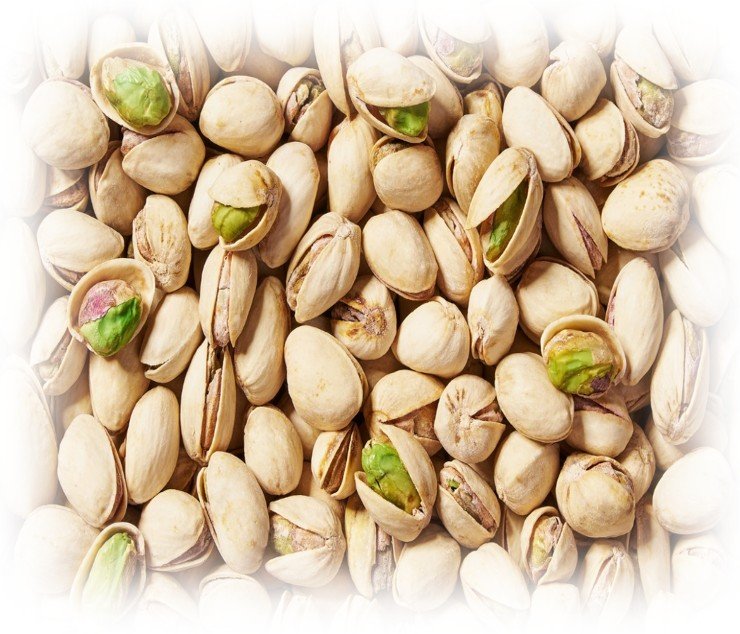
Pistachios contain protein and fiber that slow sugar absorption.
Benefits:
- Lower glycemic impact
- Good snack for weight management
- Improve fullness
Safe Serving Size:
20–25 pistachios
Flax Seeds

Flax seeds are incredibly beneficial for diabetic patients.
Benefits:
- Rich in omega-3 fats
- Excellent fiber source
- May reduce blood sugar levels
Safe Serving Size:
1 tablespoon daily
Pumpkin Seeds
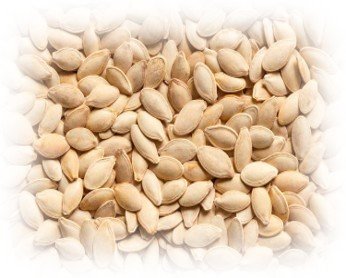
Pumpkin seeds contain magnesium and zinc that support glucose metabolism.
Benefits:
- Improve insulin function
- Support immunity
- Help heart health
Safe Serving Size:
1 tablespoon
Dry Fruits That Diabetics Should Eat Carefully
Some dry fruits are naturally high in sugar and should only be eaten occasionally.
Dates

Dates are nutritious but contain concentrated natural sugars.
Why Caution Is Needed:
- High glycemic load when overeaten
- Quick energy release
Safe Serving Size:
1 medium date occasionally
Avoid eating multiple dates at once.
Raisins
Raisins are basically concentrated grapes.
Risks:
- Easy to overeat
- High natural sugar content
Safe Serving Size:
1 tablespoon
Dried Figs

Figs contain fiber but also significant sugar.
Safe Serving Size:
1 fig
Cashews
Cashews are delicious but calorie-dense.
Risks:
- Higher carbohydrate content than many nuts
- Easy to consume in excess
Safe Serving Size:
8–10 cashews
Which Dry Fruits Have the Highest Calories?
If you are trying to lose weight while managing diabetes, you must pay attention to calorie-dense nuts.
Macadamia Nuts

- 180 calories per serving
- Extremely high in fats
Peanuts
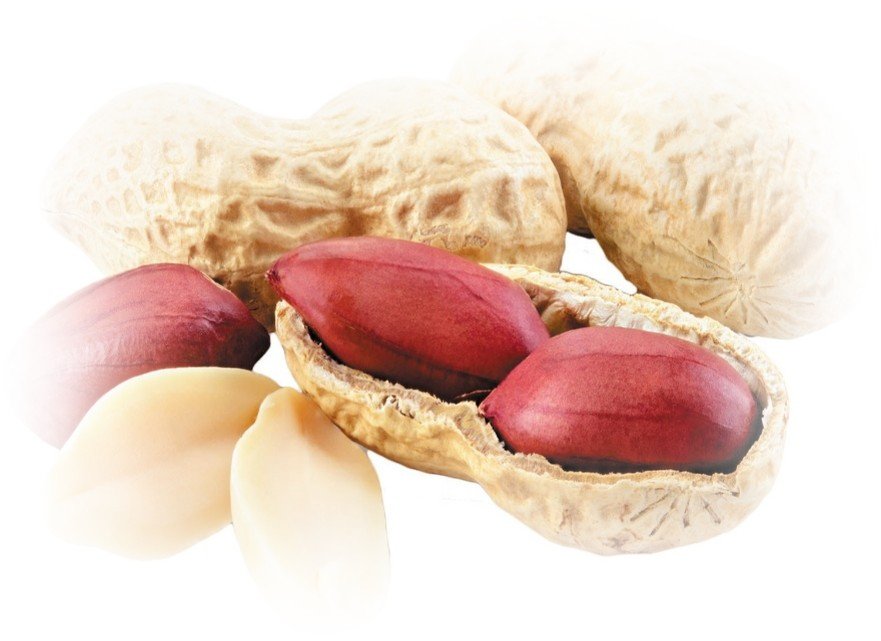
- 160 calories
- Often overeaten during snacking
Cashews
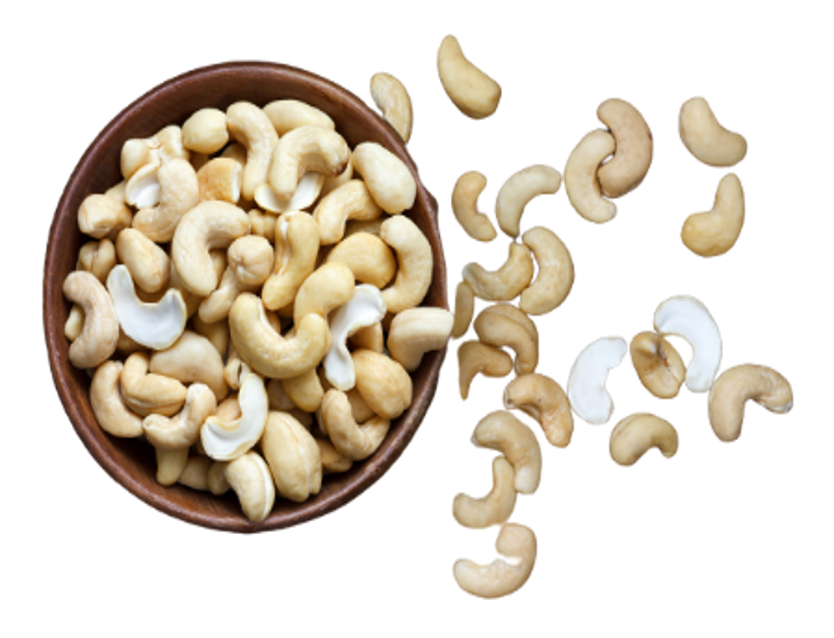
- 155 calories
- Rich and addictive taste
Pistachios
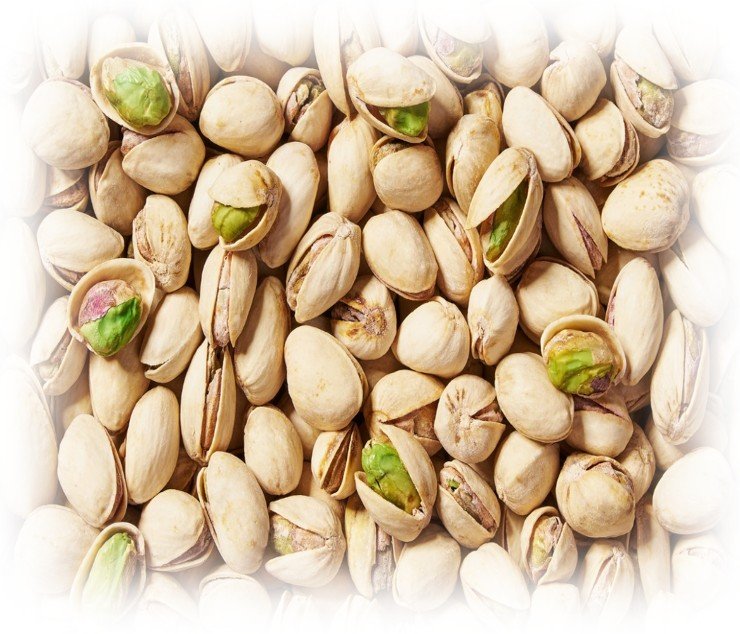
- 150 calories
- Safer when portioned correctly
Best Time to Eat Dry Fruits for Diabetics
Timing also matters when consuming dry fruits.
Morning Time
Morning is often considered the best time because the body can better utilize energy throughout the day.
Good Morning Options:
- Almonds
- Walnuts
- Flax seeds
Afternoon Snack
Dry fruits can help prevent unhealthy cravings.
Best Afternoon Choices:
- Pistachios
- Pumpkin seeds
- Sunflower seeds
Avoid Late Night Overeating
Eating large quantities of dry fruits at night may:
- Increase calorie intake
- Raise blood sugar during sleep
- Cause weight gain
Small controlled portions are acceptable, but avoid binge eating.
How Much Dry Fruit Is Safe Daily for Diabetics?
A general safe recommendation is:
30–40 grams of dry fruits daily
This equals approximately:
- 3–4 tablespoons mixed dry fruits
- One small handful
However, the exact amount depends on:
- Blood sugar control
- Activity level
- Weight goals
- Medication
- Overall calorie intake
Tips to Eat Dry Fruits Safely With Diabetes
Following smart habits can help diabetics enjoy dry fruits without harming blood sugar levels.
Choose Unsalted Varieties
Salted nuts may increase blood pressure.
Always choose:
- Unsalted
- Roasted or raw
- Natural varieties
Avoid Sugar-Coated Dry Fruits
Many packaged dry fruits contain:
- Added sugar
- Syrups
- Artificial flavorings
These can dramatically raise glucose levels.
Pair With Protein
Combining dry fruits with protein slows sugar absorption.
Good Combinations:
- Almonds with yogurt
- Walnuts with boiled eggs
- Pumpkin seeds with salad
Measure Portions
Never eat directly from large containers.
Instead:
- Use measuring spoons
- Prepare small snack boxes
- Follow serving guidelines
Monitor Blood Sugar Response
Every person responds differently to food.
Track:
- Blood glucose after eating
- Portion tolerance
- Weight changes
This helps personalize your intake.
Dry Fruits vs Fresh Fruits for Diabetics
Many people wonder whether fresh fruits are better than dry fruits.
Fresh Fruits
Advantages:
- Higher water content
- Lower calorie density
- More filling
Better For:
- Larger snack portions
- Hydration
- Weight management
Dry Fruits
Advantages:
- Convenient
- Nutrient-dense
- Rich in healthy fats and minerals
Risk:
- Easier to overeat
The best approach is balance between both.
Common Mistakes Diabetics Make With Dry Fruits
Avoid these common errors:
Eating Too Much at Once
Even healthy foods can become harmful in excessive amounts.
Ignoring Calories
Dry fruits may seem small but contain concentrated calories.
Choosing Sweetened Products
Sweetened cranberries, berries, and packaged mixes often contain hidden sugars.
Late-Night Snacking
Nighttime overeating can worsen morning blood sugar readings.
Mixing Too Many Nuts Together
Large bowls of mixed nuts can quickly exceed calorie needs.
Can Dry Fruits Help With Weight Loss in Diabetes?
Surprisingly, yes — when portioned correctly.
Dry fruits can:
- Reduce cravings
- Improve fullness
- Prevent junk food snacking
The high protein and fiber content support appetite control.
However, overeating will have the opposite effect because of high calorie density.
Moderation remains essential.
Healthy Dry Fruit Combination Ideas for Diabetics
Here are some smart combinations:
Diabetes-Friendly Mix #1
- 5 almonds
- 2 walnut halves
- 1 teaspoon pumpkin seeds
Diabetes-Friendly Mix #2
- 10 pistachios
- 1 tablespoon sunflower seeds
Diabetes-Friendly Mix #3
- 1 date
- 5 almonds
Perfect for quick energy before physical activity.
Signs You May Be Eating Too Many Dry Fruits
Watch for these signs:
- Rising blood sugar levels
- Weight gain
- Digestive discomfort
- Increased calorie intake
- Feeling sluggish
If these occur, reduce portion sizes immediately.
Expert Advice for Diabetics Eating Dry Fruits
Nutrition experts generally recommend:
- Prioritize nuts over sugary dried fruits
- Eat measured portions
- Avoid processed snack mixes
- Combine with balanced meals
- Focus on consistency rather than excess
The goal is sustainable, healthy eating.
Frequently Asked Questions (FAQs)
Can diabetics eat dry fruits daily?
Yes, diabetics can eat dry fruits daily in moderate amounts. Controlled portions provide nutrients without excessively increasing blood sugar.
Which dry fruit is best for diabetics?
Almonds, walnuts, pistachios, flax seeds, and pumpkin seeds are among the best options for diabetics.
How much dry fruit should a diabetic eat per day?
Most diabetics can safely consume around 30–40 grams of dry fruits daily depending on their calorie and glucose needs.
Are dates safe for diabetics?
Yes, but only in small quantities. One medium date occasionally is usually safer than multiple dates.
Can raisins increase blood sugar?
Yes. Raisins contain concentrated natural sugars and should only be eaten in small portions.
Are cashews bad for diabetics?
Cashews are not bad, but they are calorie-dense and slightly higher in carbohydrates. Portion control is essential.
Is it better to eat dry fruits in the morning?
Yes. Morning or afternoon is generally the best time because the body can utilize the energy more effectively.
Which dry fruits should diabetics avoid?
Diabetics should avoid:
- Sugar-coated dry fruits
- Sweetened packaged mixes
- Excessive amounts of dates and raisins
Final Thoughts on the Best Serving Size of Dry Fruit for Diabetics
Dry fruits are truly nature’s nutrient-packed energy foods. They contain vitamins, minerals, fiber, antioxidants, and healthy fats that can support overall health and even help diabetics when consumed wisely.
However, the biggest lesson is this: healthy foods still require portion control.
Because dry fruits are highly concentrated in calories and natural sugars, eating large amounts can easily increase blood sugar and contribute to weight gain. Understanding the correct serving size of dry fruit is the key to enjoying their benefits safely.
For most diabetics, consuming around 30–40 grams daily, choosing unsalted and sugar-free varieties, and focusing on nuts like almonds, walnuts, pistachios, and seeds can be an excellent strategy.
Remember:
- Small portions are powerful
- Moderation protects blood sugar
- Smart choices create long-term health
Enjoy dry fruits wisely, and they can become a healthy part of your diabetic lifestyle instead of a hidden danger.