
When it comes to daily staples, wheat and rice dominate our meals, especially in South Asia. But for people managing blood sugar, the question is critical: which one is safer—wheat or rice? The answer lies in understanding the glycemic index (GI) and glycemic load (GL). In this detailed guide, wheat vs rice glycemic index, we’ll uncover how wheat and rice affect blood sugar, which one might be secretly raising your sugar levels, and practical ways to enjoy these staples without spikes.
Table of Contents
1. Understanding Glycemic Index (GI)
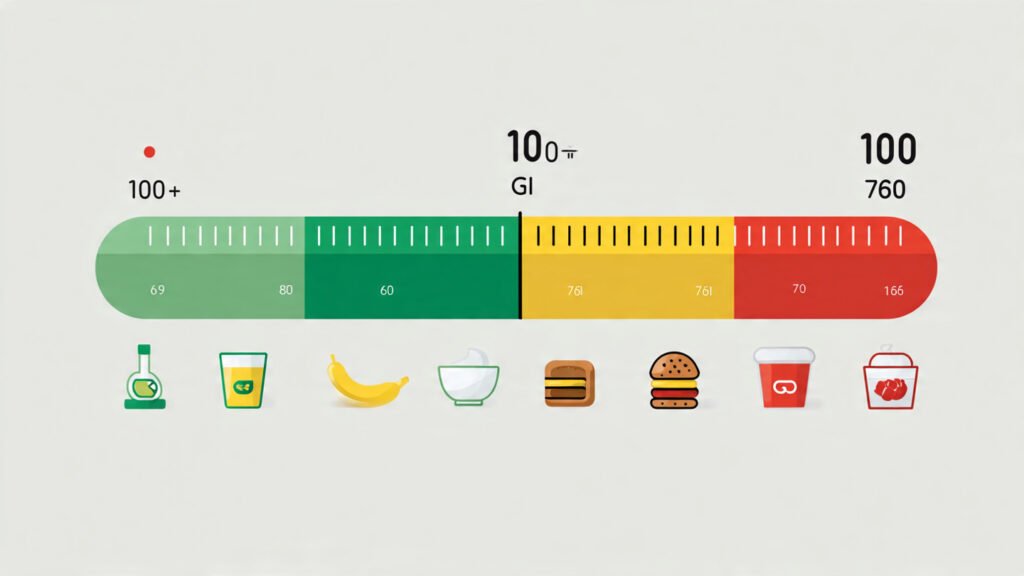
The glycemic index (GI) is a measurement that ranks carbohydrate-containing foods based on how quickly they raise blood sugar levels after eating. Foods are rated on a scale from 0 to 100:
- Low GI (55 or less): Slow digestion, gradual sugar release
- Medium GI (56–69): Moderate sugar release
- High GI (70 and above): Rapid sugar spikes
The problem with high GI foods is that they cause sudden blood sugar surges, which can be dangerous for diabetics and may increase the risk of insulin resistance over time.
Key takeaway: GI helps us understand the speed at which carbohydrates convert to glucose, but it doesn’t account for portion size, which is where glycemic load (GL) comes in.
2. Glycemic Load (GL): A More Practical Measure
Glycemic load (GL) takes into account both the GI of a food and the amount of carbohydrates in a typical serving. This makes it a more accurate predictor of real-life blood sugar response.
Formula:
GL = (GI × Carbohydrate content per serving in grams) / 100
Example:
- A small bowl of white rice might have a GI of 72 and 40 grams of carbs:
GL = (72 × 40) / 100 = 28.8 (High) - One medium whole wheat roti (20g carbs, GI 55):
GL = (55 × 20) / 100 = 11 (Moderate)
This shows that portion size matters: even a low-GI food can become a high-GL meal if eaten in excess.
3. Rice Glycemic Index: Why It Raises Blood Sugar Fast
Rice, particularly white rice, is notorious for its high glycemic index. Here’s what you should know:
- White rice (polished): GI ~70–89
- Basmati rice: GI ~50–58 (lower than regular white rice)
- Brown rice: GI ~50–55
Why rice spikes sugar:
- The polishing process removes fiber, which slows sugar absorption
- Overcooking rice makes it easier to digest, leading to faster glucose release
- Large portion sizes multiply the glycemic load, causing spikes
Even though brown rice is healthier than white rice, it can still elevate blood sugar if eaten in large quantities.
4. Wheat Glycemic Index: Is It Safer?
Wheat is often considered a “safe” alternative, but the reality is nuanced. Here’s a breakdown:
- Whole wheat roti: GI ~50–60
- Refined wheat (maida) products like naan or paratha: GI ~65–75
- Bakery breads: GI ~70+
Important points:
- Whole wheat retains more fiber, slowing sugar release
- Grinding into fine flour or making bakery items increases GI
- Portion size still matters: eating 4–5 rotis can surpass a rice bowl in glycemic load
5. Wheat vs Rice glycemic index: Side-by-Side Glycemic Index Comparison
| Food Item | Glycemic Index (GI) | Typical Serving Carbs (g) | Glycemic Load (GL) |
| White rice (1 cup cooked) | 72 | 40 | 28.8 |
| Basmati rice (1 cup) | 58 | 40 | 23.2 |
| Brown rice (1 cup) | 55 | 40 | 22 |
| Whole wheat roti (1 medium) | 55 | 20 | 11 |
| Naan (1 piece) | 72 | 30 | 21.6 |
| Paratha (1 piece) | 75 | 35 | 26.3 |
Observation:
While wheat roti is safer in smaller portions, refined wheat products like naan and paratha can rival or surpass rice in glycemic load.
6. Wheat vs Rice: Side-by-Side Glycemic Index and Glycemic Load Comparison
When it comes to managing blood sugar, understanding the glycemic index (GI) and glycemic load (GL) of the foods you eat is crucial. Both rice and wheat products vary significantly in how quickly they raise blood sugar. Portion size also plays a major role, which is why glycemic load is often more important than glycemic index alone.
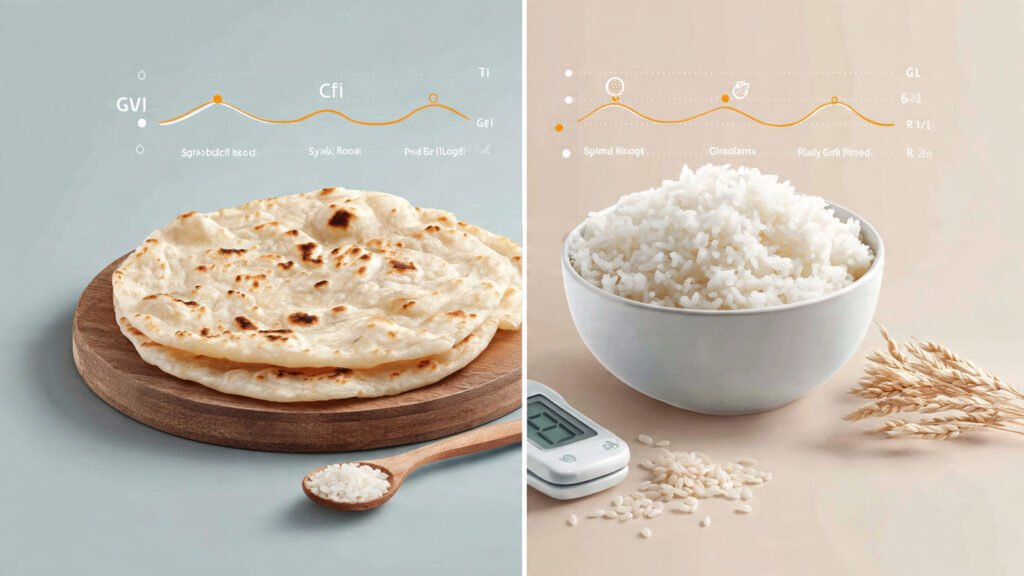
The table below compares common wheat and rice foods consumed in Pakistan, along with their GI, carbohydrate content, glycemic load, and standard serving sizes:
| Food Item | Serving Size | Glycemic Index (GI) | Carbs per Serving (g) | Glycemic Load (GL) |
| White rice | 1 cup cooked | 72 | 40 | 28.8 |
| Basmati rice | 1 cup cooked | 58 | 40 | 23.2 |
| Brown rice | 1 cup cooked | 55 | 40 | 22 |
| Whole wheat roti | 1 medium (40g) | 55 | 20 | 11 |
| Naan | 1 piece (80g) | 72 | 30 | 21.6 |
| Paratha (refined) | 1 piece (100g) | 75 | 35 | 26.3 |
| Chapati (multigrain) | 1 medium (40g) | 50 | 19 | 9.5 |
| Sada paratha | 1 piece (100g) | 70 | 35 | 24.5 |
| Brown rice pulao | 1 cup cooked | 55 | 42 | 23.1 |
| Wheat flour bread | 1 slice (40g) | 70 | 20 | 14 |
| Egg paratha | 1 piece (120g) | 75 | 40 | 30 |
| Rice kheer | 1 cup (150g) | 65 | 35 | 22.8 |
Observations from the table:
- White rice and refined wheat products like paratha and naan have high GI and GL values, meaning they can raise blood sugar quickly.
- Whole wheat roti, multigrain chapati, and brown rice are better options, with lower GL per serving.
- Portion size matters: a large serving of low-GI food can still result in a high glycemic load.
- Sweet rice dishes like rice kheer or egg paratha significantly increase GL due to added sugar and flour.
This table highlights the importance of both choosing the right food and controlling portion sizes. Even staples like wheat and rice can be part of a blood sugar-friendly diet if eaten wisely.
For glycemic load calculator, read this article Post 1: This Glycemic Load Calculator Reveals Why Your Blood Sugar Spikes Even When You Eat “Healthy”
For wheat to rice sugar reality calculator, read this article Post 3: The Glycemic Index of Wheat Explained: Why Your Daily Roti May Be Spiking Your Blood Sugar
For rice to sugar reality calculator, read this calculator Post 4: Glycemic Index of Rice Explained: Why This Everyday Food Spikes Blood Sugar Faster Than Sugar
For carbs to sugar conversion calculator, check this below calculator
Carbs to Sugar Calculator
⚠️ This calculator provides estimated values for educational purposes only. This is not a medical device. Actual blood sugar response depends on insulin sensitivity, physical activity, fiber, fat, protein, and medications.
7. Quantity Is the Real Culprit: Why Portion Size Matters More Than You Think
When it comes to blood sugar control, most people blame the food itself—roti, rice, bread, or potatoes. But the real problem is often not what you eat, it’s how much you eat. Even the healthiest staple can push blood sugar dangerously high if consumed in excess. For diabetics, understanding the role of quantity and portion size is just as important as choosing low–glycemic foods.
Let’s break this down in a simple, practical, and realistic way—especially relevant for South Asian diets where wheat and rice are daily staples.
Excess Carbohydrates Convert to Glucose—Fast
All carbohydrates, whether they come from whole wheat roti, brown rice, oats, or millets, eventually break down into glucose in the body. The difference lies in speed and amount.
- Small portions release glucose gradually
- Large portions flood the bloodstream with glucose
When you eat excess carbohydrates in one meal, your body receives more glucose than it can handle at once. This leads to:
- Sudden blood sugar spikes
- Increased insulin demand
- Fat storage instead of energy use
- Long-term insulin resistance
Even foods with a moderate glycemic index can behave like high-GI foods when eaten in large quantities.
Glycemic Load: The Hidden Danger of Large Portions
Many people focus only on the glycemic index (GI), but for diabetics, glycemic load (GL) is far more important. Glycemic load considers both:
- How fast carbohydrates raise blood sugar (GI)
- How much carbohydrate is actually consumed
For example:
- One roti may have a moderate GL
- Three or four rotis in one meal can triple or quadruple the glycemic load
Similarly:
- A small serving of rice may be manageable
- A large bowl of rice can cause a sharp glucose spike, even if it’s basmati or brown rice
👉 More quantity = higher glycemic load = higher blood sugar spike
Multiple Rotis or Large Rice Servings: A Common Mistake
In many households, eating 3–4 rotis or a heaped plate of rice is considered normal. Unfortunately, for diabetics, this habit can silently worsen blood sugar control.
Here’s what happens:
- Blood sugar rises quickly after the meal
- Post-meal glucose remains high for longer
- HbA1c gradually increases over time
- Medication requirements may increase
This is why some diabetics say, “I eat healthy food but my sugar is still high.”
The missing link is portion control.
Portion Control Is as Important as Food Choice
Choosing whole grains, high-fiber foods, or low-GI options is excellent—but without portion control, even healthy choices can backfire.
Think of food like medicine:
- The right dose heals
- The wrong dose harms
For diabetics, managing quantity helps:
- Prevent sudden glucose spikes
- Improve insulin sensitivity
- Reduce hunger crashes
- Support weight management
Portion control is not about starvation. It’s about eating smart, not eating more.
Rule of Thumb for Diabetics (Practical & Realistic)
Here’s a simple guideline that works well for most people with diabetes:
- 1–2 medium rotis per meal, depending on body size and activity
- ½ cup cooked rice per meal (not heaped, not overflowing)
- Avoid combining large portions of roti and rice in the same meal
These portions help keep the glycemic load within a safer range, especially when meals are properly balanced.
Pairing Carbs Correctly Slows Sugar Release
Quantity alone is not enough—you must also focus on food combinations. Pairing carbohydrates with the right nutrients significantly reduces blood sugar spikes.
Always combine carbs with:
- Protein (dal, lentils, eggs, chicken, fish, yogurt)
- Fiber (vegetables, salads, beans)
- Healthy fats (olive oil, mustard oil, nuts, seeds)
Why this works:
- Protein slows digestion
- Fiber delays glucose absorption
- Healthy fats stabilize blood sugar response
A balanced plate releases sugar slowly and steadily, not all at once.
Smart Plate Formula for Better Sugar Control
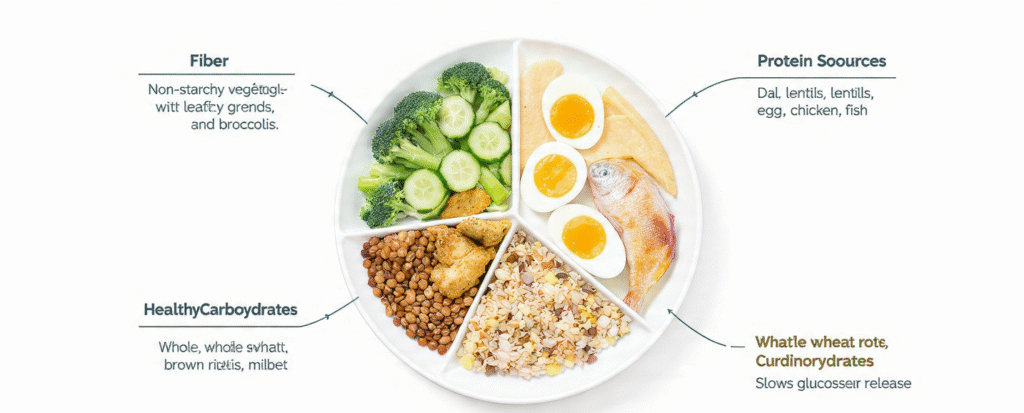
A simple visual guide:
- ½ plate: Non-starchy vegetables
- ¼ plate: Protein
- ¼ plate: Controlled portion of carbohydrates
This method naturally limits quantity without making you feel deprived.
Managing blood sugar does not always require complicated meal plans, calorie counting, or giving up your favorite foods. One of the most effective and sustainable strategies for diabetics is the Smart Plate Formula. This method focuses on balance, portion control, and smart food combinations, making it easy to follow in daily life—especially for people who eat traditional meals.
The Smart Plate Formula works because it addresses the real cause of sugar spikes: excess carbohydrates and poor food balance, not just the type of food alone.
What Is the Smart Plate Formula?
The Smart Plate Formula is a visual meal-planning method that divides your plate into three clear sections. Instead of measuring food with scales or spoons, you simply look at your plate and balance it correctly.
The plate is divided as follows:
- ½ plate: Non-starchy vegetables
- ¼ plate: Protein
- ¼ plate: Controlled portion of carbohydrates
This simple structure naturally controls portion size, improves nutrient intake, and helps keep blood sugar stable after meals.
½ Plate: Non-Starchy Vegetables (The Sugar Shield)
Non-starchy vegetables should make up half of your plate because they are low in carbohydrates and high in fiber, vitamins, minerals, and antioxidants.
Examples include:
- Spinach, fenugreek, lettuce
- Cucumber, tomato, bottle gourd
- Cauliflower, cabbage, broccoli
- Okra, green beans, peppers
Why this works for sugar control:
- Fiber slows glucose absorption
- Vegetables increase fullness with fewer calories
- They reduce the glycemic load of the entire meal
- They prevent overeating of roti or rice
When vegetables dominate the plate, there is less space left for carbohydrates, which automatically limits sugar spikes.
¼ Plate: Protein (The Stabilizer)
Protein is a critical component of blood sugar control and should occupy one-quarter of your plate.
Healthy protein options include:
- Lentils (dal), chickpeas, beans
- Eggs
- Chicken, fish, lean meat
- Yogurt or curd (unsweetened)
- Paneer in moderation
Why protein matters:
- Slows digestion of carbohydrates
- Reduces post-meal blood sugar spikes
- Improves insulin sensitivity
- Keeps you full for longer
A meal with adequate protein prevents sudden hunger, which often leads to snacking on sugary or refined foods later.
¼ Plate: Controlled Portion of Carbohydrates (The Key Discipline)
Carbohydrates should make up only one-quarter of the plate, even if they are “healthy” carbs.
Examples:
- 1–2 whole wheat rotis
- ½ cup cooked rice
- Small portion of brown rice, millet, or barley
- One medium chapati instead of oversized ones
Important truth:
Even whole grains raise blood sugar if eaten in excess. The Smart Plate Formula ensures that carbohydrates are present—but controlled, preventing glucose overload.
Why This Method Works Without Feeling Deprived
Many diet plans fail because they make people feel restricted. The Smart Plate Formula avoids this problem because:
- You still eat carbs—just in the right amount
- Meals look full and satisfying
- You focus on what to add (vegetables and protein), not what to remove
- Hunger and cravings reduce naturally
This balance helps diabetics stick to healthy eating long-term, not just for a few weeks.
Smart Plate Formula and Glycemic Load
By following this plate structure:
- Total carbohydrate intake decreases
- Glycemic load per meal stays lower
- Blood sugar rises slowly instead of sharply
- Insulin demand reduces
This is especially helpful for people struggling with high post-meal sugar readings despite eating “normal” home food.
8. Cooking Methods Affect GI
How you cook wheat or rice can change their glycemic index:
- Rice: Cooking al dente (slightly firm) lowers GI
- Cooling rice after cooking: Turns some starch into resistant starch, reducing GI
- Wheat: Fermented dough (like in sourdough bread) lowers GI
- Avoid over-processed bakery items like white bread or sweet paratha
Small tweaks can significantly reduce blood sugar spikes.
9. Healthier Alternatives to Wheat and Rice
If you want to lower GI and GL in your meals, consider these:
- Millet (Bajra, Jowar) rotis: Low GI, high fiber
- Barley and oats: Slowly digestible carbs
- Quinoa and buckwheat: Excellent low-GL alternatives
- Mixing flours: Combining wheat with flax, oats, or chickpea flour reduces GI
Even partial substitution can help stabilize blood sugar without eliminating staples.
10. Practical Tips to Control Blood Sugar with Wheat and Rice
- Measure portions carefully: Don’t eyeball rotis or rice bowls
- Pair carbs with protein/fiber: Dal, eggs, vegetables
- Prefer whole grains over refined flour: Whole wheat, brown rice, millets
- Use cooking techniques wisely: Slightly undercook rice, ferment dough
- Spread carb intake: Avoid large carb-heavy meals in one sitting
These simple adjustments can dramatically lower glycemic load in daily meals.
11. Frequently Asked Questions (FAQ)
Q1: Is wheat better than rice for diabetics?
A: Whole wheat roti has a lower GI and GL than white rice, making it generally safer, but portion size is crucial.
Q2: Does brown rice have a lower glycemic load?
A: Yes, brown rice retains fiber and has a lower GI, but excessive portions can still spike sugar.
Q3: How many rotis can a diabetic eat in one meal?
A: Usually 1–2 medium rotis per meal, paired with protein or vegetables, is recommended.
Q4: Is basmati rice safe for blood sugar control?
A: Yes, basmati has a lower GI than regular white rice, but portion control is still key.
Q5: Which raises sugar faster: rice or roti?
A: White rice spikes sugar faster due to high GI, but multiple rotis can match rice in glycemic load.
Q6: Does adding dal or vegetables reduce GL?
A: Absolutely. Protein and fiber slow digestion and reduce overall glycemic load.
Q7: Can diabetics eat wheat or rice daily?
A: Yes, in moderation and combined with a balanced meal. Overeating either can lead to sugar spikes.
12. Key Takeaways
- GI measures speed of sugar rise, while GL considers portion size
- White rice has the highest GI; brown rice and whole wheat roti are safer options
- Refined wheat products like naan, paratha, and bakery items can spike sugar
- Portion control, pairing carbs with protein/fiber, and smart cooking methods are critical
- Low-GI alternatives and multigrain options can help maintain stable blood sugar
13. Conclusion
Understanding the difference between wheat and rice in terms of glycemic index and glycemic load is crucial for anyone managing blood sugar. While wheat roti is generally safer than white rice, refined wheat products can be just as harmful. The secret to blood sugar control lies not only in choosing the right staple but also in portion control, meal composition, and smart cooking methods. By making simple adjustments—like mixing flours, pairing carbs with protein, and cooking rice properly—you can enjoy your favorite staples without worrying about sudden sugar spikes.
Bottom line: It’s not just about wheat vs rice; it’s about how much, how often, and with what you eat them. Make mindful choices, and your blood sugar will thank you.
For video, which is best for control of diabetes, see this video by Health FV