
Managing blood sugar is no longer just a concern for people with diabetes. In today’s world of processed foods, oversized portions, and sedentary lifestyles, blood glucose instability is becoming increasingly common—even among people who consider themselves healthy. This is where a low glycemic load meal plan becomes not just useful, but essential.
Unlike restrictive diets that eliminate entire food groups, a low glycemic load meal plan focuses on how much glucose actually enters your bloodstream, not just what you eat. It is practical, flexible, and scientifically grounded. Even better, with the help of a low glycemic load meal plan calculator, meal planning becomes easier, smarter, and more personalized.
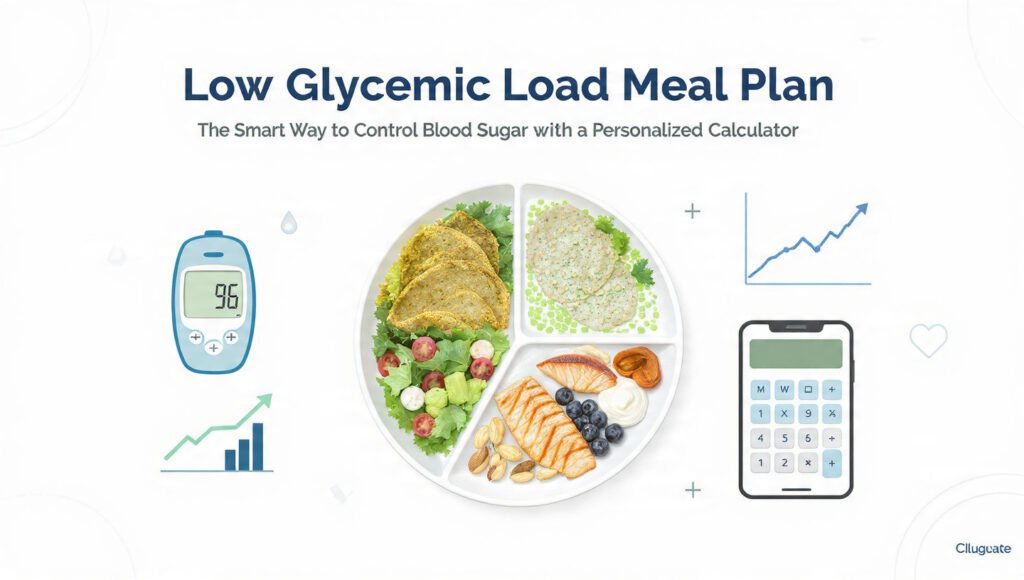
In this comprehensive guide, we will explore what a low glycemic load meal plan really is, why it works, who should follow it, and how a calculator-based approach can help create a one-day meal plan tailored to different health conditions, including healthy individuals, prediabetes, Type 1 diabetes, and Type 2 diabetes.
Table of Contents
1. What Is Glycemic Load and Why Does It Matter?
To understand a low glycemic load meal plan, we first need to understand glycemic load (GL) itself.
Glycemic load measures how much a specific serving of food raises blood sugar levels. It takes into account two critical factors:
- The type of carbohydrate (how fast it raises blood sugar)
- The amount of carbohydrate consumed (portion size)
This makes glycemic load far more practical than glycemic index alone.
A food may have a high glycemic index, but if consumed in a small quantity, its glycemic load can still be low. On the other hand, even low-GI foods can cause blood sugar spikes if eaten in large portions.
That is why glycemic load is the missing link in blood sugar control.
2. Glycemic Index vs Glycemic Load: The Key Difference
Many people mistakenly believe that eating low glycemic index foods automatically means better blood sugar control. Unfortunately, that is not always true.
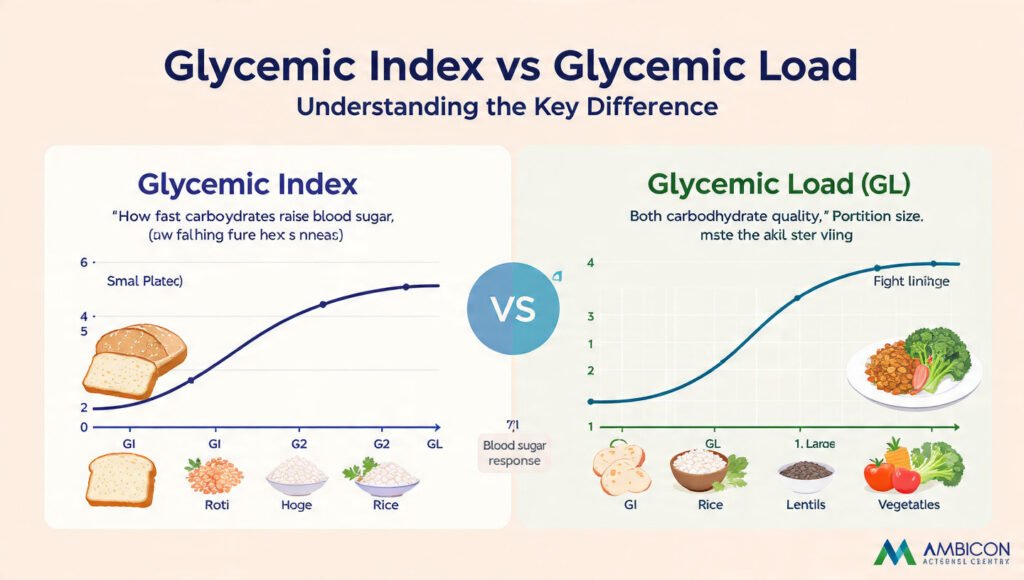
- Glycemic Index (GI) tells us how fast carbohydrates turn into glucose.
- Glycemic Load (GL) tells us how much glucose actually enters the bloodstream.
For example:
- Watermelon has a high GI but a low GL because it contains very little carbohydrate per serving.
- White rice may have a moderate GI, but its glycemic load becomes high when portion size increases.
A low glycemic load meal plan focuses on real-world eating habits, making it far more reliable for daily meal planning.
3. What Is a Low Glycemic Load Meal Plan?
A low glycemic load meal plan is a structured way of eating where:
- Each meal has a controlled glycemic load
- Portion sizes are carefully considered
- Carbohydrates are balanced with protein, fat, and fiber
- Blood sugar spikes are minimized throughout the day
Instead of asking “Is this food good or bad?”, the low glycemic load approach asks:
How much of this food can I eat safely?
This makes the meal plan sustainable, flexible, and suitable for long-term health.
4. Ideal Glycemic Load Ranges for Meals and the Day
Although individual tolerance varies, general guidelines are widely accepted:
- Low GL per meal: 7–10
- Moderate GL per meal: 11–19
- High GL per meal: 20 or more
A well-designed low glycemic load meal plan aims for:
- Breakfast: Low to moderate GL
- Lunch: Controlled low GL
- Dinner: Very low GL
The goal is not perfection, but consistency across the day.
5. Who Should Follow a Low Glycemic Load Meal Plan?
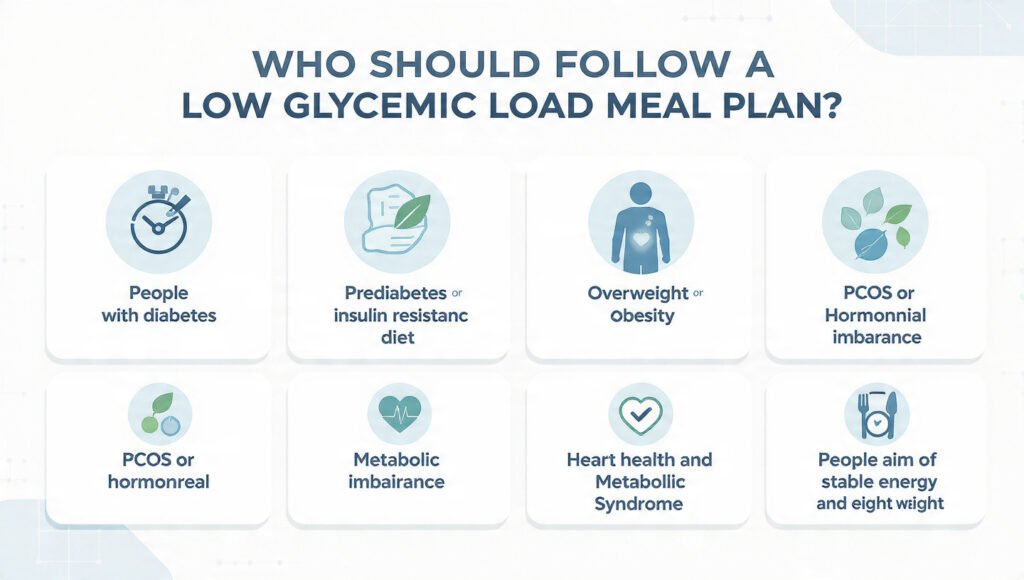
A low glycemic load meal plan is not limited to diabetics. In fact, it benefits a wide range of people.
Healthy Individuals
For healthy people, a low glycemic load meal plan helps:
- Prevent insulin resistance
- Maintain steady energy levels
- Reduce cravings and fatigue
- Support long-term metabolic health
Prediabetes
For people with prediabetes, controlling glycemic load is critical to:
- Improve insulin sensitivity
- Prevent progression to Type 2 diabetes
- Stabilize fasting and post-meal glucose levels
Type 1 Diabetes
For Type 1 diabetes, a low glycemic load meal plan helps by:
- Making carbohydrate intake more predictable
- Supporting insulin dose accuracy
- Reducing post-meal glucose spikes
Type 2 Diabetes
For Type 2 diabetes, the focus is on:
- Lowering total daily glycemic load
- Improving insulin efficiency
- Supporting weight management and glucose control
6. Why One Meal Plan Does Not Fit Everyone
One of the biggest mistakes in diabetes nutrition is using the same meal plan for everyone.
A healthy person can tolerate more carbohydrates than someone with insulin resistance. A person with Type 1 diabetes needs carbohydrate consistency, while someone with Type 2 diabetes often benefits from stricter glycemic load limits.
This is exactly why personalization is essential—and where a low glycemic load meal plan calculator becomes invaluable.
7. Introducing the Low Glycemic Load Meal Plan Calculator
A low glycemic load meal plan calculator is a smart tool designed to remove guesswork from meal planning.
Instead of generic advice, the calculator:
- Adjusts food choices based on health condition
- Controls portion sizes automatically
- Displays meal-wise glycemic load values
- Generates a one-day meal plan with breakfast, lunch, and dinner
This approach bridges the gap between nutrition science and real-life eating.
8. How the Low Glycemic Load Meal Plan Calculator Works
The calculator works through a simple yet powerful logic.
Step 1: Select Health Condition
The user selects one of the following:
- Healthy
- Prediabetes
- Type 1 Diabetes
- Type 2 Diabetes
Each condition has different carbohydrate tolerance levels.
Step 2: Automatic Food Selection
The calculator selects foods that:
- Have low or moderate glycemic load
- Are nutritionally balanced
- Match the metabolic needs of the selected condition
Step 3: Portion Size Adjustment
Portion size is adjusted to keep the glycemic load within safe limits—this is where most meal plans fail, but the calculator excels.
Step 4: Meal-Wise Glycemic Load Display
Each meal clearly shows:
- Food items
- Serving size
- Estimated glycemic load
Step 5: One-Day Structured Meal Plan
The output is a complete one-day low glycemic load meal plan with breakfast, lunch, and dinner.
One-Day Low Glycemic Load Meal Planner
Select your health condition to generate a suitable meal plan.
9. Sample Low Glycemic Load Meal Plan Overview
While the calculator provides exact values, a typical low glycemic load structure looks like this:
Breakfast
- Protein-rich foods
- Small portion of controlled carbohydrates
- Low glycemic load to prevent morning spikes
Lunch
- Balanced meal with legumes, vegetables, and moderate carbs
- Focus on satiety and energy stability
Dinner
- Lowest glycemic load of the day
- High in fiber and protein
- Supports overnight glucose control
This structure applies across all health conditions, with variations in food selection and portion size.
10. Low Glycemic Load Meal Plan for Healthy Individuals
For healthy individuals, the goal is prevention and metabolic balance.
- Slightly higher carbohydrate allowance
- Focus on whole grains, legumes, and vegetables
- Emphasis on long-term insulin sensitivity
A calculator ensures healthy individuals do not unknowingly drift into high glycemic load eating patterns.
11. Low Glycemic Load Meal Plan for Prediabetes
Prediabetes is a critical warning stage where blood sugar levels are higher than normal but not yet in the diabetic range. The good news is that prediabetes is often reversible with the right nutritional strategy. A low glycemic load (GL) meal plan focuses not only on what you eat, but also how much you eat, making it one of the most effective dietary approaches for blood sugar stabilization and long-term metabolic health.
Primary Goal: Reversal and Stabilization
The main objective of a low glycemic load meal plan for prediabetes is to prevent progression to type 2 diabetes by maintaining stable blood glucose levels throughout the day. Instead of sharp spikes after meals, this approach promotes gradual glucose release into the bloodstream, reducing stress on the pancreas and improving insulin sensitivity over time.
Controlled Carbohydrate Portions
Carbohydrates are not eliminated, but they are carefully portion-controlled. Even healthy carbohydrates can raise blood sugar if consumed in excess. By managing portion sizes, the glycemic load remains within a safe range, allowing the body to process glucose efficiently without triggering insulin surges. This helps prevent post-meal fatigue, cravings, and repeated glucose spikes.
Emphasis on Fiber and Protein
Fiber and protein play a central role in prediabetes management. High-fiber foods such as vegetables, legumes, whole grains, and seeds slow down carbohydrate digestion, leading to more stable blood sugar levels. Protein sources like lentils, yogurt, eggs, fish, chicken, and nuts further reduce glucose fluctuations by delaying gastric emptying and increasing satiety. Together, fiber and protein help control hunger, support weight management, and improve overall metabolic balance.
Avoidance of Refined Carbohydrates
Refined carbohydrates such as white bread, white rice, sugary foods, sweetened beverages, and bakery items are rapidly digested and cause sudden blood sugar spikes. A low glycemic load meal plan minimizes or avoids these foods, replacing them with whole, minimally processed alternatives that provide sustained energy and better glucose control.
Role of the Glycemic Load Calculator
A personalized glycemic load calculator adds precision to this meal plan. It ensures that each meal stays within a safe glycemic load range, preventing cumulative glucose overload throughout the day. By calculating the combined effect of food type and portion size, the calculator helps reduce unpredictable blood sugar fluctuations, making daily meal planning simpler, more accurate, and more sustainable.
Long-Term Benefits
When followed consistently, a low glycemic load meal plan can lead to improved insulin sensitivity, better fasting and post-meal glucose levels, weight reduction, and enhanced energy levels. Most importantly, it empowers individuals with prediabetes to take control early—turning a warning sign into an opportunity for lasting health improvement.
The calculator ensures every meal stays within a safe glycemic load range, reducing glucose fluctuations.
12. Low Glycemic Load Meal Plan for Type 1 Diabetes
Type 1 diabetes requires lifelong insulin therapy, making predictability and precision in daily meals essential. Unlike Type 2 diabetes, the goal is not insulin reduction, but stable glucose control that aligns with insulin dosing. A low glycemic load (GL) meal plan supports this goal by minimizing rapid blood sugar fluctuations and making insulin responses more predictable.
Primary Focus: Predictability and Control
For individuals with Type 1 diabetes, the greatest challenge is managing post-meal blood sugar swings. Foods with a high glycemic load can cause sudden glucose spikes, increasing the risk of both hyperglycemia and delayed hypoglycemia. A low glycemic load meal plan promotes gradual glucose release, allowing insulin to work more effectively and reducing unexpected blood sugar variability.
Consistent Carbohydrate Intake
Consistency is key. Rather than eliminating carbohydrates, this approach emphasizes regular and predictable carbohydrate intake at each meal. When carbohydrate amounts remain stable from day to day, insulin dosing becomes more accurate and easier to manage. This consistency helps prevent wide glucose swings and supports better day-to-day glycemic control.
Lower Glycemic Load to Reduce Insulin Spikes
Lowering the glycemic load of meals reduces the speed and magnitude of glucose absorption. This leads to smoother post-meal blood sugar curves and helps prevent sudden insulin spikes or overcorrections. Foods rich in fiber, protein, and healthy fats slow digestion, providing more controlled glucose release and improved insulin matching.
Carefully Measured Portions
Portion control is critical in Type 1 diabetes management. Even nutritious foods can cause blood sugar rises if portions are not accurately measured. A low glycemic load meal plan emphasizes carefully measured serving sizes, ensuring that insulin doses correspond closely to actual glucose exposure. This precision helps reduce the risk of both high and low blood sugar episodes.
Role of a Calculator-Based Meal Plan
A calculator-based low glycemic load meal plan adds structure and confidence to daily eating. By calculating the glycemic load of each meal, individuals can plan food choices that remain within safe limits while still meeting nutritional needs. This approach supports safer insulin management without extreme dietary restriction, allowing flexibility, variety, and improved quality of life.
Long-Term Benefits
Over time, following a low glycemic load meal plan can improve time-in-range glucose levels, reduce glucose variability, and lower the risk of complications. Most importantly, it empowers people with Type 1 diabetes to manage their condition proactively—balancing nutrition and insulin in a way that is sustainable, predictable, and safe.
13. Low Glycemic Load Meal Plan for Type 2 Diabetes
For Type 2 diabetes, the goal is maximum glycemic control.
- Lowest daily glycemic load
- Strong emphasis on non-starchy vegetables
- Controlled use of legumes and whole grains
The calculator helps avoid common mistakes like “healthy but excessive” carbohydrate intake.
14. Common Mistakes People Make with Glycemic Load
Even well-intentioned people make mistakes such as:
- Eating large portions of low-GI foods
- Ignoring hidden carbohydrates in sauces and drinks
- Assuming fruits are always safe
- Skipping protein and fiber balance
A low glycemic load meal plan calculator helps eliminate these errors systematically.
15. How to Use a Low Glycemic Load Meal Plan in Daily Life
A low glycemic load approach is not about perfection—it is about consistency.
Practical tips include:
- Planning meals ahead of time
- Eating slowly and mindfully
- Combining carbohydrates with protein
- Adjusting portions rather than eliminating foods
With a calculator, these habits become easier to maintain.
16. Is a Low Glycemic Load Meal Plan Better Than Low-Carb Diets?
Unlike extreme low-carb diets, a low glycemic load meal plan:
- Allows flexibility
- Supports nutritional adequacy
- Is easier to sustain long-term
- Works for different health conditions
It focuses on smart carbohydrate management, not fear of carbohydrates.
17. Why a Calculator-Based Approach Is the Future of Meal Planning
Generic diet charts cannot adapt to individual needs. A calculator can.
A low glycemic load meal plan calculator:
- Educates users
- Personalizes nutrition
- Encourages informed food choices
- Supports long-term lifestyle change
This makes it an ideal tool for modern diabetes and metabolic health management.
18. Important Medical Disclaimer
The low glycemic load meal plan calculator is designed for educational and informational purposes only. Glycemic load values are estimates and may vary based on food preparation, ripeness, and individual response. People with diabetes—especially those using insulin or glucose-lowering medications—should consult a qualified healthcare professional before making dietary changes.
19. Conclusion: Smarter Eating Starts with Glycemic Load
A low glycemic load meal plan is not a trend—it is a scientifically grounded, practical approach to eating that supports stable blood sugar, better energy, and long-term health. By focusing on portion size, food quality, and personalization, it offers a sustainable alternative to restrictive diets.
With the help of a low glycemic load meal plan calculator, anyone—healthy or diabetic—can take control of their meals with confidence and clarity. Instead of guessing, you plan smarter. Instead of restriction, you choose balance. And instead of spikes and crashes, you build consistency—one meal at a time.