
Have you ever eaten a meal that seemed completely reasonable, only to check your blood sugar afterward and wonder, “Why did my blood sugar rise so much?”
Perhaps you had two eggs, some vegetables, and one roti for breakfast. You avoided sweets and did not drink juice. Yet your blood sugar still increased.
Or maybe you had one roti with dal and vegetables at lunch. Your blood sugar was 120 mg/dL before eating, but one to two hours later, it was much higher.
This can be frustrating, especially when you are trying to manage diabetes carefully.
The good news is that blood sugar management is not only about avoiding sugar. The amount of carbohydrate you eat, the type of carbohydrate, what you eat with it, the order in which you eat your food, and what you do after the meal can all matter.
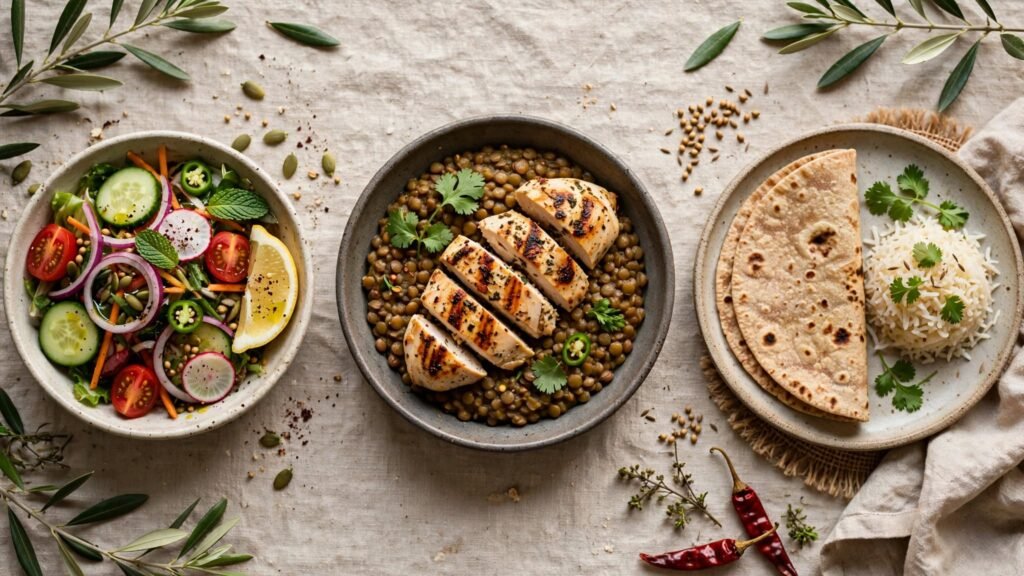
In this article, we will discuss how to reduce blood sugar spikes after eating using six practical strategies that can fit into everyday meals.
Table of Contents
These strategies are particularly relevant if your regular diet includes foods such as roti, rice, dal, vegetables, chickpeas, potatoes, and other traditional South Asian foods.
Important: This article is for educational purposes and does not replace individualized medical advice. If you take insulin or glucose-lowering medication, do not change your medication or carbohydrate intake substantially without discussing it with your healthcare professional.
What Is a Blood Sugar Spike After Eating?
Blood sugar naturally rises after you eat because digestion breaks down carbohydrates into glucose, which enters the bloodstream.
The size and duration of this rise can vary considerably from person to person.
For someone with diabetes, the body may not produce enough insulin, may not respond effectively to insulin, or may have both problems. As a result, blood glucose can remain elevated for longer after a meal.
The important point is that carbohydrates are not automatically “bad.”
Carbohydrate-containing foods can be part of a healthy diabetes eating pattern. The key is learning how much carbohydrate is appropriate for you and choosing foods and meal combinations that support better blood glucose management. The CDC notes that carbohydrate amount and food choices are important parts of diabetes meal planning.
So instead of asking only:
“Should I stop eating carbohydrates?”
A more useful question may be:
“How can I manage the amount and type of carbohydrate I eat?”
Why Does Blood Sugar Rise After Eating?
Several factors can influence your blood sugar after a meal.
These include:
- The amount of carbohydrate in the meal
- The type of carbohydrate
- Portion size
- Fiber content
- Protein and fat in the meal
- How processed the food is
- Whether you drink calories or eat them
- The order in which foods are eaten
- Physical activity after eating
- Your individual insulin sensitivity
- Medications
- Stress, illness, sleep, and other factors
This explains why two people can eat the same meal and experience different blood sugar responses.
Even the same person may respond differently to the same food on different days.
That is why learning your own blood sugar response can be extremely useful.
1. Control the Amount of Carbohydrates You Eat
One of the most important answers to how to reduce blood sugar spikes after eating is surprisingly simple:
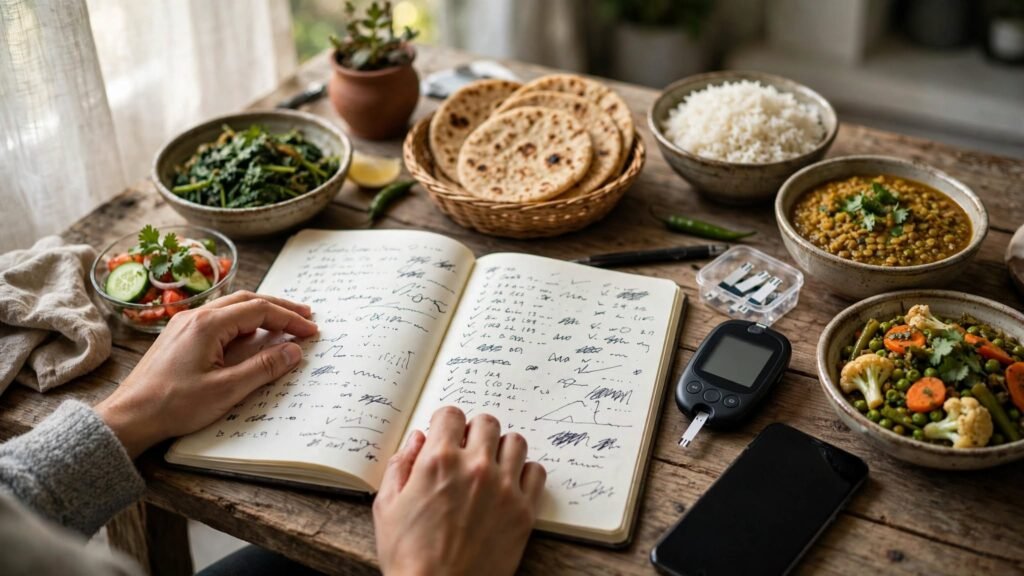
Pay attention to portion size.
You may choose a nutritious carbohydrate, but eating a large amount can still provide a substantial carbohydrate load.
For example, one small roti and four rotis are not equivalent simply because both are made from wheat.
The same principle applies to rice.
A small serving of rice and a large plate filled mostly with rice can have very different effects on blood glucose.
The CDC recommends paying attention to carbohydrate portions and notes that there is no single carbohydrate amount that works for everyone. Individual needs depend on factors such as health status, activity, body size, and other considerations.
Does one roti raise blood sugar?
It can.
Roti contains carbohydrates, and carbohydrates can raise blood glucose.
But this does not mean that everyone with diabetes must completely avoid roti.
The response may depend on:
- The size of the roti
- The flour used
- The total carbohydrate content of the meal
- What you eat with the roti
- Your activity level
- Your individual blood glucose response
Instead of automatically eliminating roti, pay attention to portion size and the complete meal.
If two rotis cause a significant rise but one roti combined with vegetables and an appropriate protein source produces a smaller response, that information can help you make more informed choices.
2. Don’t Eat Carbohydrates Alone
Another useful strategy is to avoid making a carbohydrate food the entire meal.
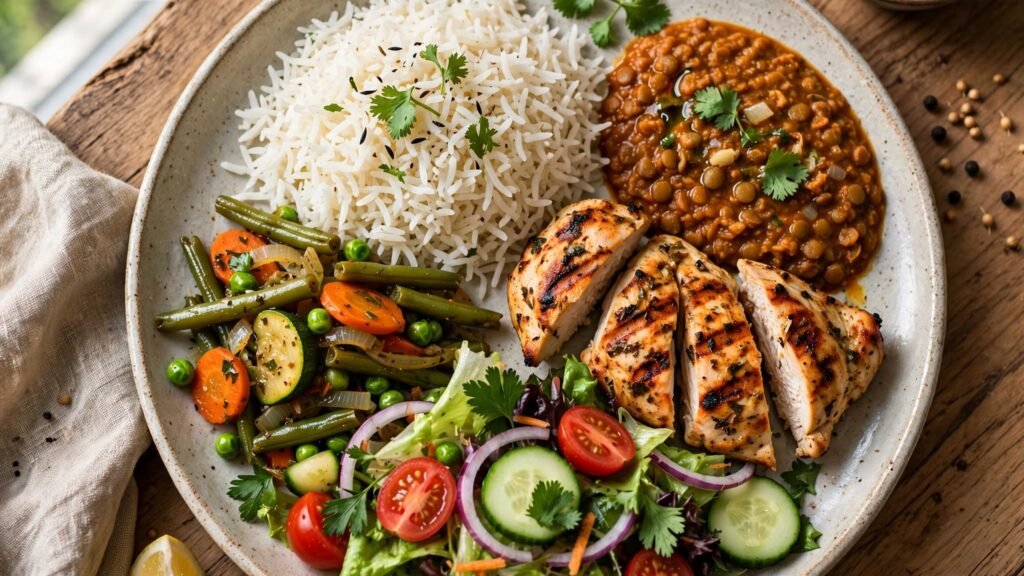
Think about the difference between:
A large plate of white rice alone
and
A moderate portion of rice with vegetables, dal, salad, and an appropriate protein source.
These meals are not nutritionally identical.
Protein, fiber, and other components of a meal can influence digestion, absorption, fullness, and the resulting blood glucose response.
The CDC explains that eating carbohydrates together with foods containing protein, fat, or fiber can slow how quickly blood sugar rises compared with eating carbohydrates alone.
For example, instead of eating roti by itself, you might combine it with:
- Eggs
- Dal
- Chickpeas
- Vegetables
- Fish
- Chicken
- Salad
The goal is not to use protein or fat as a way to “cancel out” carbohydrates.
They do not magically remove carbohydrate from a meal.
Instead, think about the overall composition of your meal.
Research also suggests that adding protein to carbohydrate-containing meals can affect post-meal glucose responses, although the effect varies according to diabetes status, protein source, and other factors.
3. Try Changing the Order in Which You Eat Your Food
This is one of the more interesting strategies for managing post-meal blood glucose.
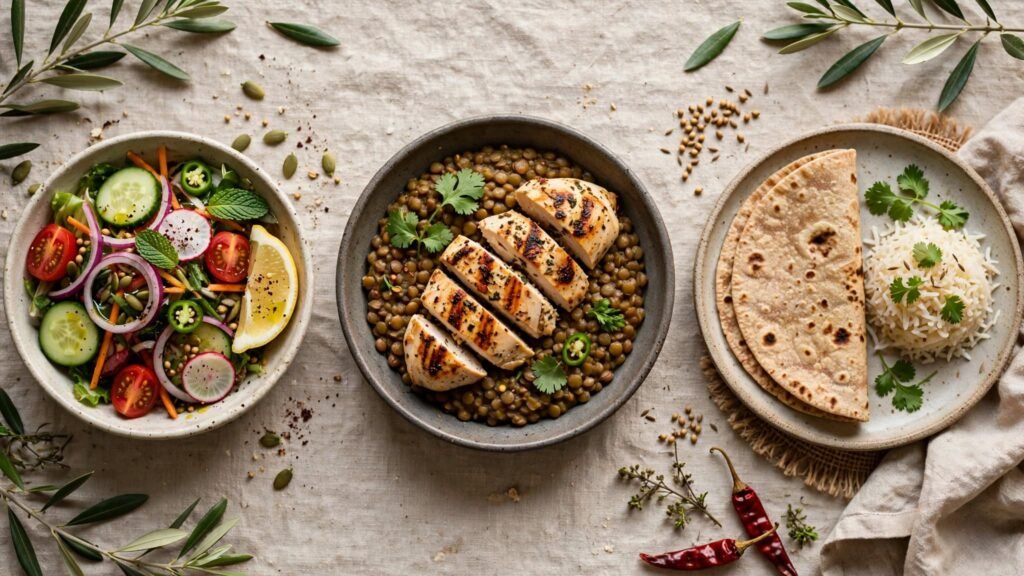
Suppose your meal contains:
- Salad
- Cooked vegetables
- Dal or another protein source
- Roti
Instead of starting with the roti, you could try eating the vegetables or salad first, followed by the protein-containing food, and then the roti.
The idea is sometimes described as eating carbohydrates later in the meal.
Research has investigated this approach, and systematic reviews have found that eating vegetables and/or protein before carbohydrate-rich foods may reduce post-meal glucose excursions in some circumstances. However, the evidence is not a guarantee that the strategy will work equally well for everyone.
So think of food order as a practical experiment, not a miracle cure.
For example:
Instead of:
Roti → potato curry → salad
Try:
Salad → vegetables/dal → roti
Then observe your response.
If you use a glucose meter or continuous glucose monitor, your own readings can help you understand whether this approach is useful for you.
4. Walk After Eating
You do not necessarily need an expensive supplement, special drink, or complicated exercise program to become more active after meals.
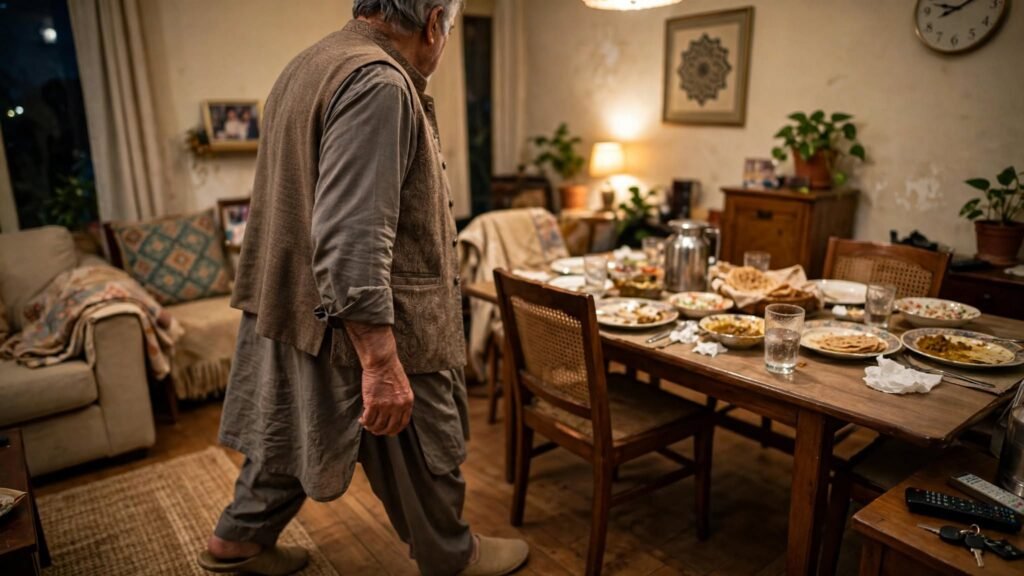
Sometimes, a simple walk can be useful.
When your muscles are active, they can take up glucose and use it for energy.
Research has found that exercise performed after meals can reduce post-meal glucose excursions, and the benefit may be greater when activity is performed relatively soon after eating rather than much later.
The CDC also suggests walking as one practical way to increase physical activity and gives a 10-minute walk after dinner as an example of how people can get started.
How long should you walk after eating?
You do not necessarily need a long or intense workout.
Depending on your health and physical ability, you might:
- Walk around your home
- Take a short outdoor walk
- Walk around your workplace
- Do gentle movement
- Use stairs if appropriate and safe
The important thing is consistency.
A short walk that becomes a regular habit may be more practical than an ambitious exercise plan that you cannot maintain.
If you have mobility problems, cardiovascular concerns, or other health conditions, discuss appropriate physical activity with your healthcare professional.
5. Eat More Fiber-Rich Foods
Fiber is another important part of a diabetes-friendly eating pattern.
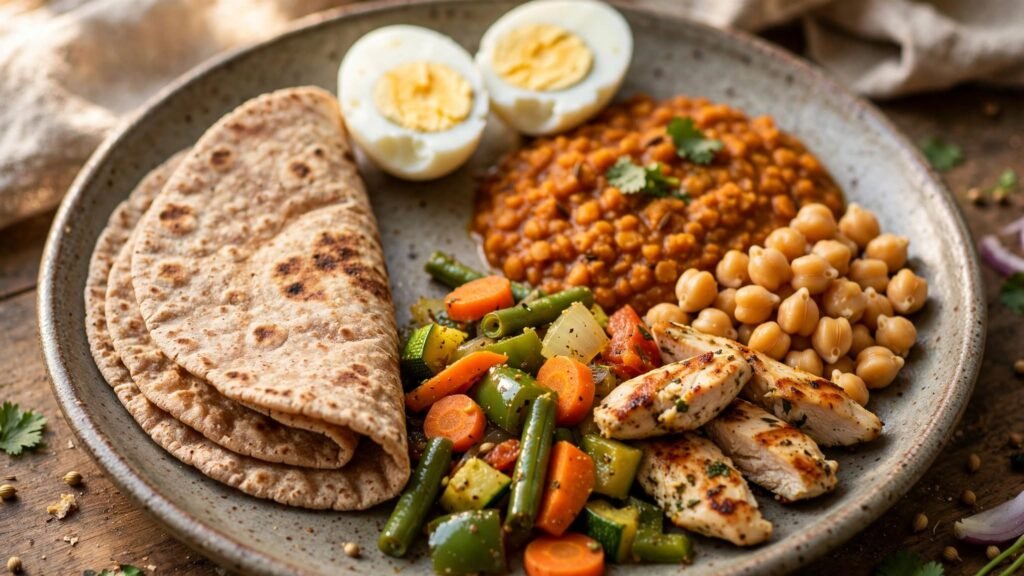
Good sources include:
- Vegetables
- Salad
- Lentils
- Chickpeas
- Beans
- Whole grains
- Seeds
- Whole fruits
Fiber is a type of carbohydrate that is not digested in the same way as digestible carbohydrates. It can help with fullness and blood sugar management.
However, there is an important misconception to avoid.
Some people think:
“If a food contains fiber, it cannot raise blood sugar.”
That is not necessarily true.
For example, lentils and chickpeas contain fiber, but they also contain carbohydrates.
Therefore, fiber does not mean unlimited portions.
The better approach is to include fiber-rich foods as part of a balanced meal while still considering the total amount of carbohydrate.
Simple South Asian examples
Instead of:
Roti + potato curry only
consider:
Roti + mixed vegetables + dal + salad
Instead of:
Large plate of rice
consider:
Moderate rice portion + vegetables + dal + salad + appropriate protein
The goal is not perfection. The goal is to improve the overall balance of the meal.
6. Be Careful With Sugary Drinks and Liquid Carbohydrates
One of the easiest ways to consume a large amount of carbohydrate without feeling particularly full is through beverages.
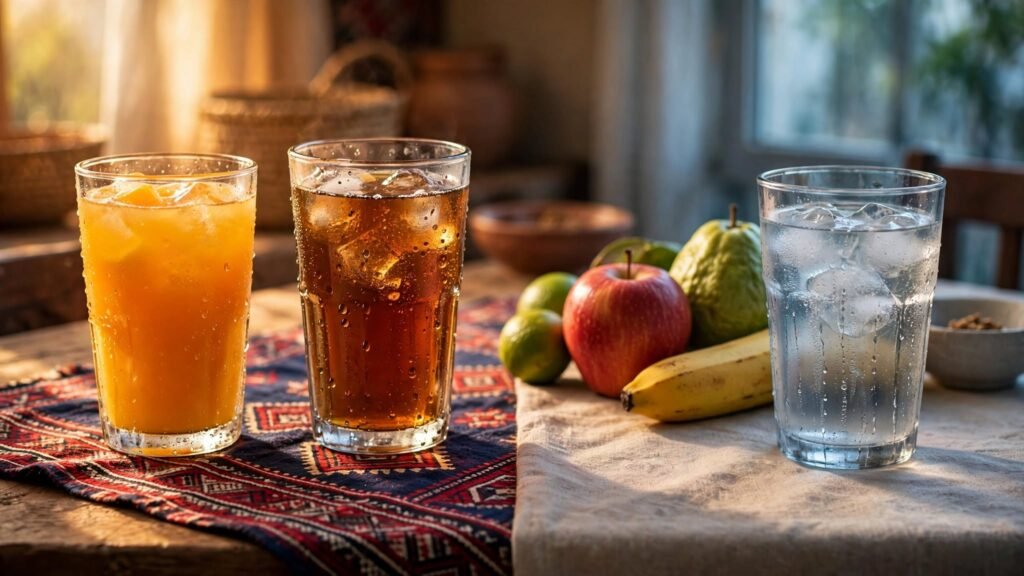
Consider fruit.
Eating a whole orange requires peeling and chewing it.
Drinking orange juice can allow you to consume the equivalent of several oranges much more quickly.
The same principle applies to many sweetened beverages.
Examples include:
- Sugary tea
- Soft drinks
- Sweetened juices
- Sweetened milk drinks
- Energy drinks
- Other sugar-sweetened beverages
The CDC recommends choosing water instead of juice or soda when managing blood sugar. It also notes that fruit juice can raise blood sugar more quickly than whole fruit.
What about whole fruit?
Whole fruit can fit into a diabetes-friendly eating pattern.
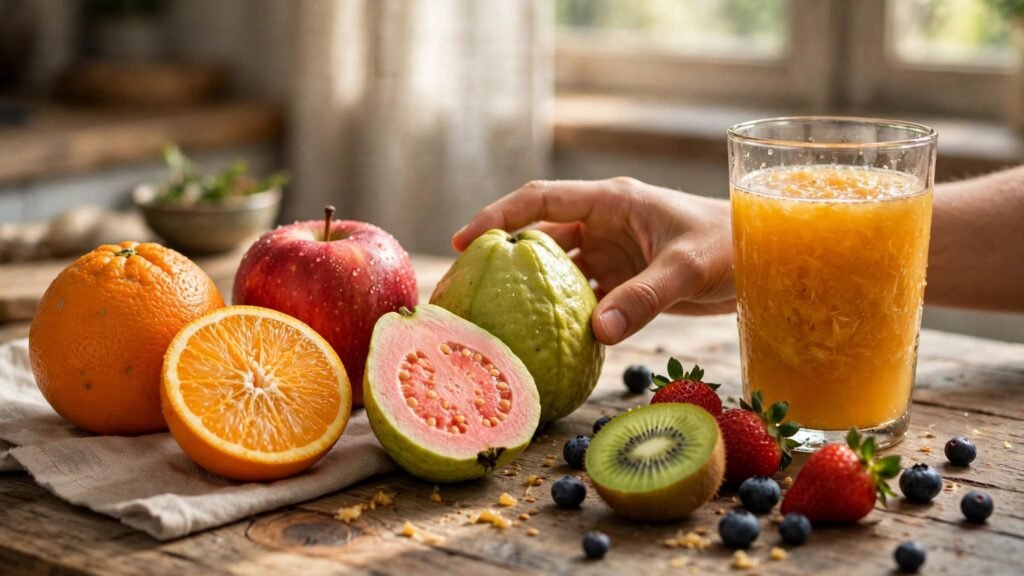
Whole fruit provides fiber and requires chewing, which can make it different from drinking fruit juice.
However, portion size still matters because whole fruit contains carbohydrates too.
So the message is not:
“Fruit is bad.”
The message is:
“Eating whole fruit and drinking large amounts of fruit juice are not the same thing.”
How to Reduce Blood Sugar Spikes After Eating: Use the Plate Method
If all these strategies sound complicated, simplify them by looking at your plate.
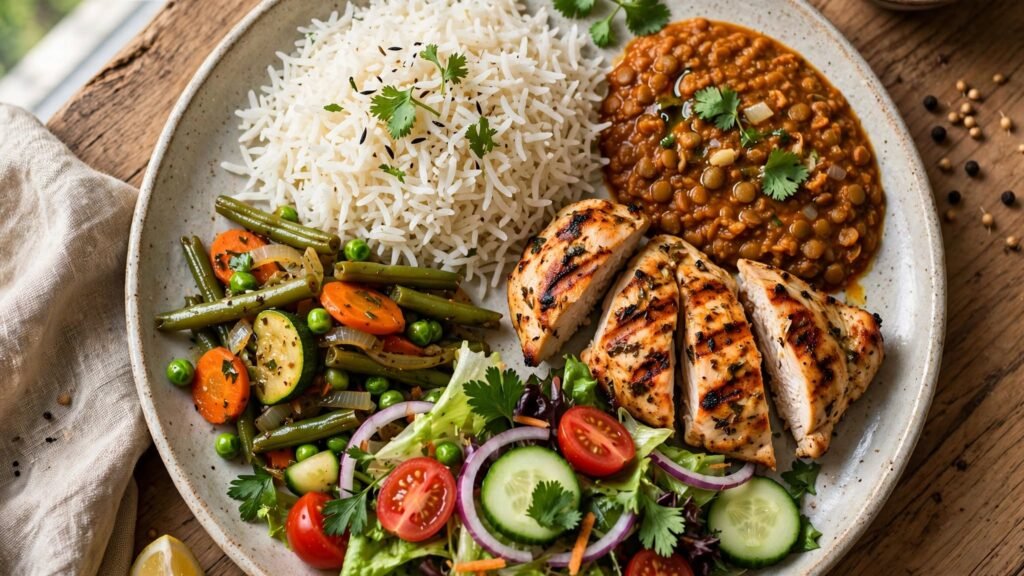
The CDC’s plate method suggests filling approximately half the plate with non-starchy vegetables, one quarter with a lean protein source, and one quarter with carbohydrate-containing foods. Individual meal plans may need to be adjusted according to personal needs.
For a South Asian meal, this could look like:
Half the plate
Non-starchy vegetables and salad.
Examples include:
- Cucumber
- Tomato
- Cabbage
- Cauliflower
- Spinach
- Okra
- Bottle gourd
- Eggplant
- Other non-starchy vegetables
One quarter
Protein-containing foods such as:
- Eggs
- Fish
- Chicken
- Dal
- Chickpeas
- Other suitable protein sources
One quarter
A controlled portion of carbohydrate-containing foods such as:
- Roti
- Rice
- Potatoes
- Other grain-based foods
This is not a rigid prescription for every person with diabetes. It is simply a practical framework for thinking about meal balance.
Why a “Healthy” Food Can Still Raise Blood Sugar
One of the biggest misunderstandings about diabetes is the idea that a food cannot raise blood sugar if it is considered healthy.
But healthy and carbohydrate-free are not the same thing.
For example:
- Whole grains contain carbohydrates.
- Lentils contain carbohydrates.
- Chickpeas contain carbohydrates.
- Fruit contains natural sugars and carbohydrates.
- Milk contains carbohydrate.
- Potatoes contain carbohydrates.
These foods can have nutritional benefits, but their carbohydrate content still matters.
The CDC emphasizes that people with diabetes can eat carbohydrates; the important considerations include choosing nutritious carbohydrate sources and managing portions.
This is why simply asking, “Is this food healthy?” may not be enough.
A better question is:
“How much of this food am I eating, and how does it affect my blood sugar?”
How to Find Which Foods Raise Your Blood Sugar
One of the most useful things you can do is learn from your own glucose readings.
For example, suppose you normally eat two rotis at lunch.
On one day, record your blood glucose before eating and then check it at the time recommended by your healthcare professional.
On another day, you could compare a smaller carbohydrate portion with more vegetables and an appropriate protein source.
You might discover that:
- Rice causes a larger rise for you.
- Two rotis affect you more than one.
- Potatoes produce a noticeable increase.
- Sweet tea affects your glucose more than expected.
- A balanced meal produces a smaller rise.
This kind of tracking can help you recognize patterns.
The CDC also recommends tracking blood sugar and paying attention to what makes it rise or fall.
However, do not make medication changes based solely on a few home readings.
If you take insulin or diabetes medication, discuss significant patterns with your healthcare professional.
A Simple Example of a Blood-Sugar-Friendly Meal
Let’s put everything together.
Imagine you are having lunch.
Instead of:
3 large rotis + potato curry + sweet tea
you might consider a meal structured more like:
Salad + non-starchy vegetables + dal or another protein source + a moderate portion of roti + water or another unsweetened drink.
Then, if it is safe and appropriate for you, take a short walk after the meal.
Notice what changed.
You did not necessarily eliminate carbohydrates.
You changed:
- The portion
- The balance of the meal
- The amount of vegetables
- The protein component
- The beverage
- Your activity after eating
This is the bigger lesson.
Blood sugar management is not always about finding one “perfect” food. It is often about improving the entire meal.
What About Rice and Blood Sugar?
Rice can raise blood sugar because it contains carbohydrates.
But that does not automatically mean that everyone with diabetes must completely eliminate rice.
The amount, type of rice, preparation, accompanying foods, and individual response can all matter.
A large plate of rice eaten quickly with little else may provide a substantial carbohydrate load.
A more moderate portion combined with vegetables, dal, salad, and an appropriate protein source may create a different overall meal.
If rice is part of your usual diet, rather than simply asking whether rice is “good” or “bad,” pay attention to portion size and your personal glucose response.
What About Roti and Blood Sugar?
Roti is another food that often creates confusion.
Because roti is made primarily from flour, it contains carbohydrates and can raise blood glucose.
But saying “roti is the enemy” oversimplifies the issue.
For many South Asian families, roti is a normal part of daily meals.
A more practical approach is to consider:
- Roti size
- Number of rotis
- Flour composition
- What you eat with the roti
- Vegetable intake
- Protein intake
- Physical activity
- Your individual blood sugar response
One person may tolerate a particular portion better than another.
That is why personalized monitoring can be useful.
Common Mistakes That Can Cause Blood Sugar Spikes
Even people who are trying hard to control their blood sugar can make small mistakes.
Mistake 1: Focusing only on sugar
You may avoid table sugar but still consume large amounts of carbohydrate from bread, rice, roti, potatoes, biscuits, juice, or sweetened drinks.
Mistake 2: Ignoring portion size
A nutritious food can still contribute a significant carbohydrate load when eaten in a very large portion.
Mistake 3: Drinking carbohydrates
Juice, soft drinks, and sweetened tea can add carbohydrates quickly.
Mistake 4: Sitting immediately after meals
A short period of safe physical activity may help reduce post-meal glucose excursions.
Mistake 5: Eating carbohydrates first
Some evidence suggests that eating vegetables and protein before carbohydrate-rich foods may reduce post-meal glucose responses.
Mistake 6: Assuming everyone responds the same way
Diabetes is highly individual.
Your response to rice, roti, potatoes, fruit, or other foods may differ from someone else’s.
Frequently Asked Questions
How can I reduce blood sugar spikes after eating?
Start by looking at the amount of carbohydrate in your meal, combine carbohydrates with vegetables and appropriate protein, consider eating vegetables and protein before carbohydrate-rich foods, avoid sugary drinks, and consider light physical activity after eating if it is safe for you.
Does walking after eating lower blood sugar?
Post-meal physical activity can reduce post-meal glucose excursions, and research suggests that activity performed relatively soon after eating can be particularly useful.
Does one roti raise blood sugar?
It can, because roti contains carbohydrates. However, the amount of blood glucose increase varies between individuals and depends on factors such as portion size, the rest of the meal, activity, medications, and individual metabolism.
Should people with diabetes stop eating roti?
Not necessarily. Many people with diabetes can include carbohydrate-containing foods such as roti as part of an individualized eating pattern. The key issues are portion size, food quality, meal balance, and personal glucose response.
Is rice bad for diabetes?
Rice contains carbohydrates and can raise blood glucose, but it does not automatically have to be eliminated. Portion size and the overall meal are important.
Is fruit juice worse than whole fruit for blood sugar?
Fruit juice can raise blood sugar more rapidly because it is easier to consume a large amount of carbohydrate without the same chewing and fiber structure associated with whole fruit.
Does eating vegetables before rice or roti help blood sugar?
Some research suggests that eating vegetables and/or protein before carbohydrate-rich foods may reduce post-meal glucose excursions. However, results vary, and this should be considered one possible strategy rather than a guaranteed effect.
Does fiber prevent blood sugar from rising?
Fiber can support blood sugar management and is not digested like other carbohydrates, but a fiber-containing food may still contain digestible carbohydrates. Therefore, portion size and total carbohydrate intake still matter.
What should I drink with meals if I have diabetes?
Water is a simple choice. Unsweetened beverages can also be considered depending on your preferences and dietary needs. Sugary drinks and large amounts of juice can add substantial amounts of carbohydrate.
What should I do if my blood sugar remains high after meals?
Look for repeated patterns rather than judging your diabetes management from one isolated reading. Record meals, portions, activity, and glucose readings as recommended by your healthcare professional. If high readings occur repeatedly, discuss them with your healthcare team.
Final Takeaway: How to Reduce Blood Sugar Spikes After Eating
Learning how to reduce blood sugar spikes after eating does not necessarily mean eliminating every carbohydrate from your diet.
Instead, start by understanding your portions.
Build meals around vegetables, appropriate protein, and controlled portions of carbohydrate-containing foods. Consider eating vegetables and protein before your roti or rice. Choose whole foods more often, include fiber-rich foods, and be careful with sugary drinks and fruit juice.
If it is safe for you, consider adding a short walk or other light physical activity after meals.
Most importantly, learn from your own blood sugar response.
Roti is not automatically the enemy. Rice is not automatically the enemy. Carbohydrates are not something you necessarily need to fear.
The bigger issue is understanding how much you eat, what you eat with it, how you eat it, and how your body responds.
Small changes, repeated consistently, can make your daily meals more manageable.
And if you have diabetes, remember that your ideal meal pattern and glucose targets may differ from someone else’s. Work with your healthcare professional to determine what is appropriate for you.