
Best Rice for Diabetics: Which Rice Should You Eat to Keep Blood Sugar Under Control?
If you have diabetes or have been told that you’re at risk of developing it, you’ve probably heard the advice: “Stop eating rice.”
But is rice really the enemy?
The answer is no.
The real problem isn’t rice itself—it’s the type of rice you choose, the portion you eat, and how the rice is prepared.
Millions of people across Pakistan, India, Bangladesh, Sri Lanka, and other Asian countries eat rice every day. From fluffy white rice and flavorful biryani to comforting khichdi and crispy dosa, rice is deeply rooted in our culture and traditions.
Unfortunately, many of these popular rice dishes have a high glycemic load (GL), which means they can cause a rapid increase in blood sugar levels after eating. Over time, frequent blood sugar spikes may make diabetes more difficult to manage and increase the risk of complications.
The good news is that you don’t have to give up rice forever.
By choosing the best rice for diabetics, eating sensible portions, and replacing certain rice dishes with healthier alternatives, you can continue enjoying delicious meals while keeping your blood sugar under better control.
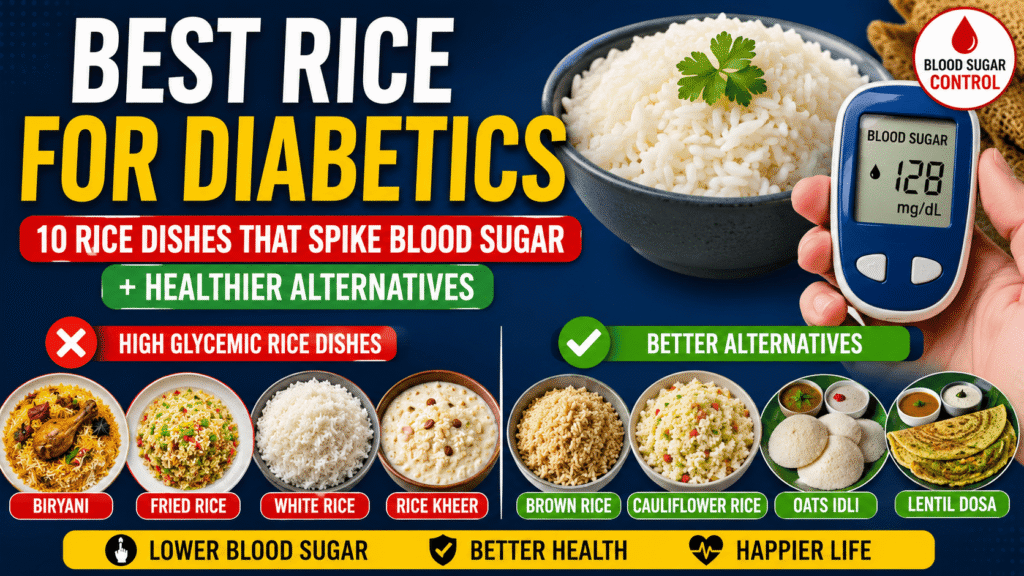
In this guide, you’ll discover:
- Which rice dishes raise blood sugar the most
- The glycemic load of popular rice meals
- Healthier alternatives for each dish
- Practical tips for eating rice without causing major blood sugar spikes
Let’s begin.
Table of Contents
Understanding Glycemic Load and Why It Matters
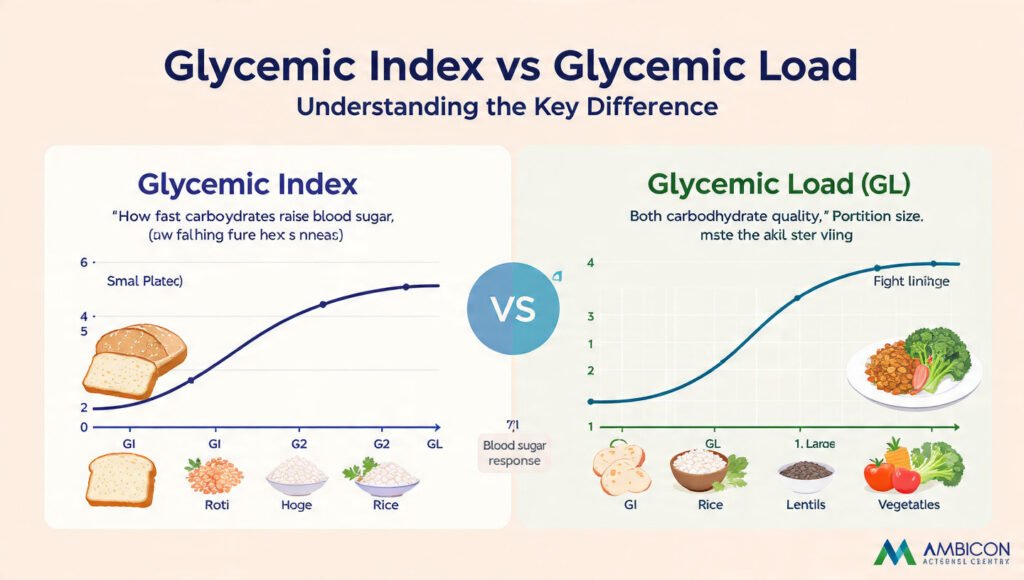
Before discussing the best rice for diabetics, it’s important to understand one concept that nutrition experts often emphasize: glycemic load (GL).
Many people have heard about the glycemic index (GI), but glycemic load provides a more realistic picture of how a serving of food affects your blood sugar.
While the glycemic index measures how quickly carbohydrates are absorbed into the bloodstream, glycemic load considers both the quality and the quantity of carbohydrates in a typical serving.
This means two foods with similar GI values can affect your blood sugar very differently depending on the amount you eat.
General Glycemic Load Classification
- Low GL: 10 or less
- Moderate GL: 11–19
- High GL: 20 or more
For people living with diabetes, choosing foods with a lower glycemic load can help reduce sudden blood sugar spikes and improve long-term glucose control.
Why White Rice Raises Blood Sugar Quickly
White rice is one of the most commonly consumed foods across South Asia.
However, during processing, the outer bran and germ layers are removed, leaving mostly the starchy endosperm. This process gives white rice its soft texture and longer shelf life but also removes much of its fiber, vitamins, and minerals.
Because it contains less fiber, white rice is digested quickly. As a result, glucose enters the bloodstream rapidly, leading to a sharp increase in blood sugar.
If you eat large portions of white rice every day, especially without vegetables or protein, these repeated blood sugar spikes may contribute to:
- Poor diabetes control
- Increased insulin resistance
- Weight gain
- Higher risk of heart disease
- Greater likelihood of diabetes complications over time
This doesn’t mean white rice must be completely eliminated. Instead, understanding portion sizes and healthier alternatives is the key.
Best Rice for Diabetics: Is Brown Rice Really Better?
When people search for the best rice for diabetics, brown rice is often the first recommendation—and for good reason.
Unlike white rice, brown rice retains its bran and germ layers, making it naturally richer in:
- Dietary fiber
- Magnesium
- B vitamins
- Antioxidants
- Plant compounds that support overall health
The additional fiber slows digestion, helping glucose enter the bloodstream more gradually.
As a result, brown rice generally has a lower glycemic load than white rice when eaten in appropriate portions.
However, it’s important to remember that brown rice still contains carbohydrates. Eating a very large serving can still raise blood sugar.
For most adults with diabetes, moderation remains the key to success.
1. Plain White Rice vs Brown Rice
Let’s begin with the simplest comparison.
Plain White Boiled Rice
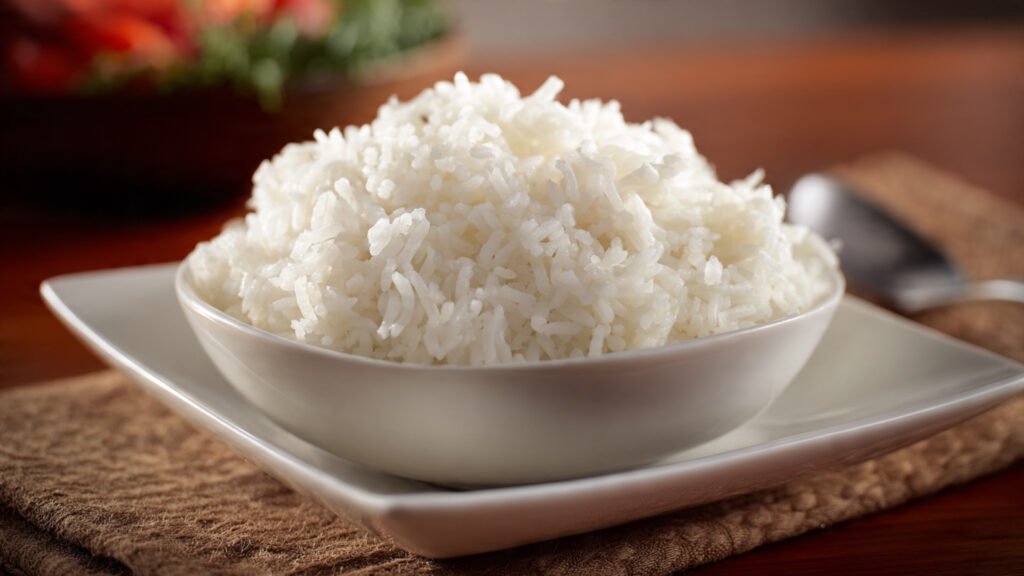
A typical serving of cooked white rice (around 150 grams) has a glycemic load of approximately 35–40.
This places it firmly in the high glycemic load category.
For someone trying to manage diabetes, eating a large bowl of white rice can quickly increase blood glucose levels.
Why It Causes Problems
White rice contains rapidly digestible starch and very little fiber.
Without enough fiber, digestion happens quickly, resulting in a rapid release of glucose into the bloodstream.
If this becomes a daily habit, blood sugar control becomes much more challenging.
A Better Alternative: Brown Rice
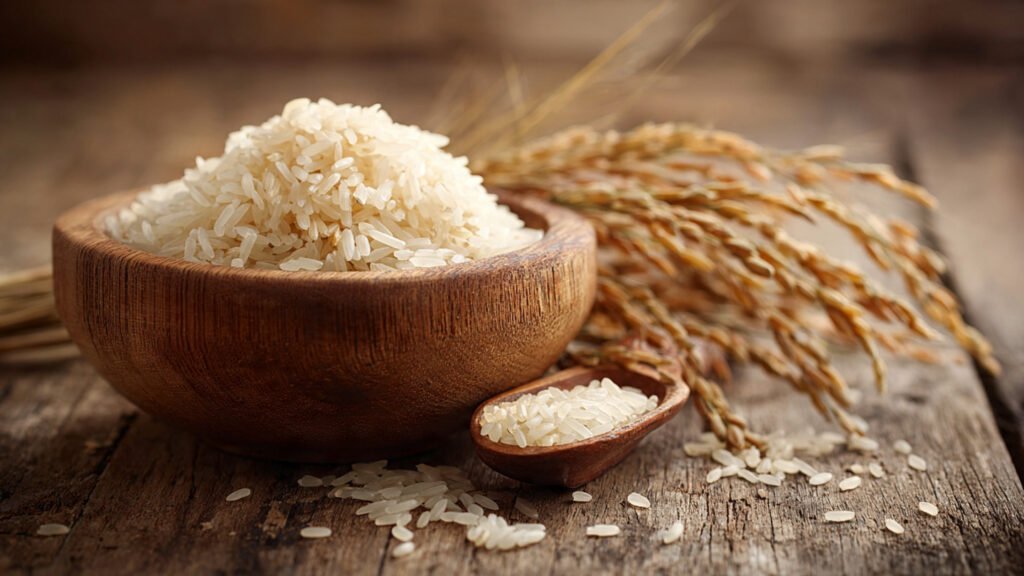
A serving of approximately 100 grams of cooked brown rice has a glycemic load of around 18–20.
Although it still contains carbohydrates, the higher fiber content slows digestion and provides a steadier release of energy.
Tips for Eating Brown Rice
- Keep portions moderate.
- Pair it with lean protein such as chicken or fish.
- Add plenty of non-starchy vegetables.
- Avoid sugary drinks alongside your meal.
Together, these habits can significantly reduce the meal’s overall impact on blood sugar.
2. Chicken Biryani: A Hidden Blood Sugar Trap
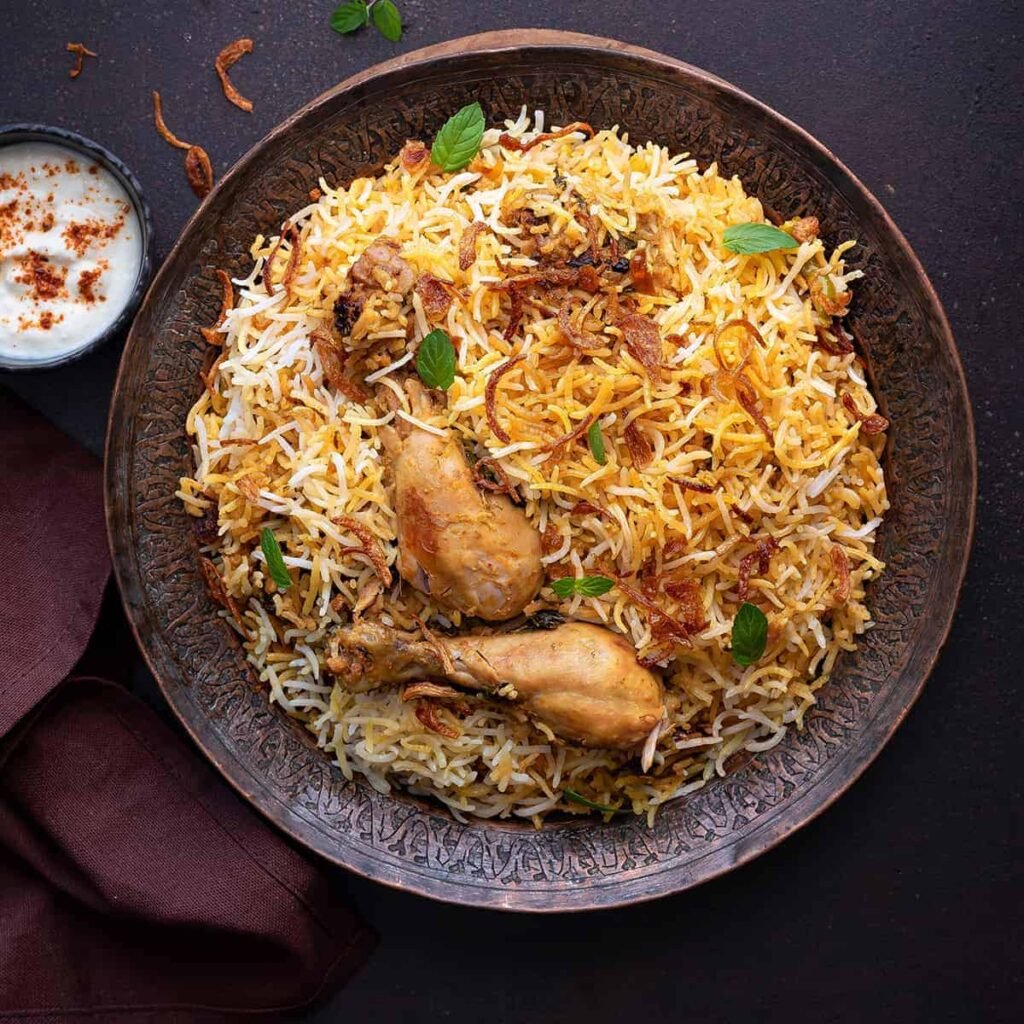
Chicken biryani is one of the most beloved dishes across Pakistan and India.
Rich in spices, fragrant rice, and tender chicken, it’s a favorite at weddings, family gatherings, and restaurants.
Unfortunately, it is also one of the least diabetes-friendly rice dishes.
Why Biryani Raises Blood Sugar
A typical serving of chicken biryani (about 200 grams) has an estimated glycemic load of 45–50.
This high value comes primarily from:
- Large amounts of white rice
- Generous serving sizes
- Limited fiber
- Often accompanied by sugary drinks or desserts
Many people assume the chicken makes biryani healthy.
While chicken provides valuable protein, the large quantity of white rice still dominates the meal’s effect on blood sugar.
A Healthier Alternative
Instead of traditional biryani, consider preparing vegetable pulao using brown rice.
A serving of around 120 grams has an estimated glycemic load of approximately 20–22, making it a much better choice.
You can further improve the meal by adding:
- Broccoli
- Green beans
- Capsicum
- Carrots
- Peas
- Spinach
These vegetables increase fiber while adding vitamins and minerals.
3. Chicken Pulao: Is It Really Better?
Many people believe chicken pulao is healthier than biryani because it contains less oil and fewer spices.
While this may be true from a calorie perspective, it doesn’t necessarily mean it’s better for blood sugar.
Glycemic Load of Chicken Pulao
A serving of approximately 200 grams has a glycemic load of around 40–45, which remains high.
Since white rice is still the main ingredient, blood sugar can rise rapidly after eating.
Better Alternative: Cauliflower Rice Pulao
One of the most impressive substitutes is cauliflower rice.
Finely grated cauliflower resembles rice in appearance and absorbs spices beautifully.
A 150-gram serving has an estimated glycemic load of only 5–7.
That’s a dramatic improvement.
Cauliflower also provides:
- Vitamin C
- Fiber
- Potassium
- Antioxidants
Most importantly, it allows you to enjoy a rice-like meal while dramatically reducing carbohydrate intake.
Even people without diabetes can benefit from including cauliflower rice in their weekly meal plan.
4. Fried Rice: One of the Worst Choices for Blood Sugar
Fried rice is another popular favorite served in homes and restaurants alike.
Whether it’s chicken fried rice, vegetable fried rice, or egg fried rice, the base ingredient remains white rice.
Unfortunately, fried rice combines refined carbohydrates with added oil, creating a meal that is particularly challenging for blood sugar management.
A 200-gram serving of fried rice may have a glycemic load of up to 55, making it one of the highest on this list.
Many restaurant versions are also prepared with excess oil and sauces, which can increase calories and sodium.
A Smarter Alternative
Instead of fried rice, try lightly stir-fried mixed vegetables with eggs or grilled chicken.
This combination is rich in protein, vitamins, minerals, and fiber while keeping the glycemic load much lower—typically around 6–8 per serving.
It is satisfying, nutritious, and far more suitable for people managing diabetes.
5. Rice Khichdi: Healthy Comfort Food or a Blood Sugar Concern?
Rice khichdi is widely regarded as one of the healthiest comfort foods in South Asia. It is often recommended for people recovering from illness because it is soft, easy to digest, and gentle on the stomach. However, when it comes to diabetes management, rice khichdi deserves a closer look.
Traditional khichdi is usually prepared with white rice and lentils. While lentils contribute protein and fiber, the large proportion of white rice still results in a relatively high glycemic load.
A 200-gram serving of traditional rice khichdi has an estimated glycemic load of 30–35, which is considered high enough to significantly affect blood sugar levels.
Why Traditional Rice Khichdi Can Raise Blood Sugar
Although lentils slow digestion to some extent, white rice remains the dominant carbohydrate source. Since white rice contains little fiber, glucose is absorbed quickly into the bloodstream.
Many people also eat khichdi in large portions because they perceive it as a “light” meal, unintentionally increasing their carbohydrate intake.
A Better Alternative: Moong Dal Khichdi
A healthier option is moong dal khichdi prepared with little or no rice.
Using mainly split green gram (moong dal) and adding vegetables such as spinach, cauliflower, carrots, and peas creates a meal that is far more diabetes-friendly.
A similar serving size has a glycemic load of approximately 12–15, making it a much better choice for maintaining stable blood sugar.
6. Idli: A Popular Breakfast That May Surprise You
Idli is one of South India’s most beloved breakfast foods. It is steamed, low in fat, and easy to digest, leading many people to believe it is automatically healthy for diabetes.
However, the main ingredient in traditional idli is rice, combined with urad dal.
Two medium-sized idlis (around 100 grams) have an estimated glycemic load of 20–22, placing them in the high category.
Why Idli Can Affect Blood Sugar
The fermentation process improves digestibility, but it also allows carbohydrates to be absorbed efficiently after eating.
If idli is consumed without sufficient protein or vegetables, blood sugar levels can rise relatively quickly.
Better Alternative: Oat Idli
Replacing a large portion of rice with oats significantly improves the nutritional profile.
Two oat idlis have an estimated glycemic load of only 10–12.
Oats provide:
- Soluble fiber (beta-glucan)
- Better satiety
- Slower digestion
- More stable blood sugar response
Pair oat idli with sambar loaded with vegetables and coconut chutney in moderation for a balanced breakfast.
7. Rice Dosa vs Mixed Lentil Dosa
Dosa is another staple breakfast across South India and is enjoyed worldwide.
Traditional dosa batter contains mostly rice with a smaller amount of lentils.
One regular dosa has an estimated glycemic load of 20–25, which can cause noticeable blood sugar spikes in people with diabetes.
A Smarter Choice: Mixed Lentil Dosa
A dosa prepared primarily from mixed lentils such as:
- Moong dal
- Masoor dal
- Chana dal
- Urad dal
contains more protein and fiber while reducing the amount of rapidly digestible starch.
One mixed lentil dosa typically has a glycemic load of only 8–10, making it one of the best breakfast options for people managing diabetes.
For even greater nutritional value, serve it with vegetable sambar instead of potato filling.
8. Lemon Rice: Refreshing but High in Glycemic Load
Lemon rice is colorful, flavorful, and incredibly popular, especially during festivals and family meals.
Unfortunately, despite its refreshing taste, it is still primarily made with white rice.
A 150-gram serving has an estimated glycemic load of 35–40.
Adding lemon juice does not significantly reduce the impact of white rice on blood sugar.
Better Alternative: Cauliflower Lemon Rice
Cauliflower rice has become one of the most popular low-carbohydrate substitutes for traditional rice.
When seasoned with:
- Lemon juice
- Curry leaves
- Mustard seeds
- Green chilies
- Turmeric
it closely resembles traditional lemon rice while containing far fewer digestible carbohydrates.
A serving of cauliflower lemon rice has a glycemic load of only 5–6.
This simple substitution allows you to enjoy familiar flavors without causing a dramatic rise in blood glucose.
9. Rice Kheer: A Sweet Treat That Can Quickly Raise Blood Sugar
Rice kheer is a traditional dessert enjoyed during festivals, celebrations, and family gatherings.
Unfortunately, it combines three ingredients that can significantly increase blood sugar:
- White rice
- Sugar
- Milk
Even a half bowl (approximately 150 grams) has an estimated glycemic load of 30–35.
For people with diabetes, frequent consumption of rice kheer can make blood sugar management much more difficult.
A Better Alternative: Unsweetened Chia Seed Pudding
Chia seeds absorb liquid and create a creamy texture similar to pudding while providing impressive nutritional benefits.
A 120-gram serving of unsweetened chia seed pudding has an estimated glycemic load of only 4–6.
Chia seeds are naturally rich in:
- Fiber
- Omega-3 fatty acids
- Protein
- Antioxidants
You can naturally flavor chia pudding with cinnamon, vanilla, or a few fresh berries instead of refined sugar.
10. Rice Roti: Is It Better Than Wheat?
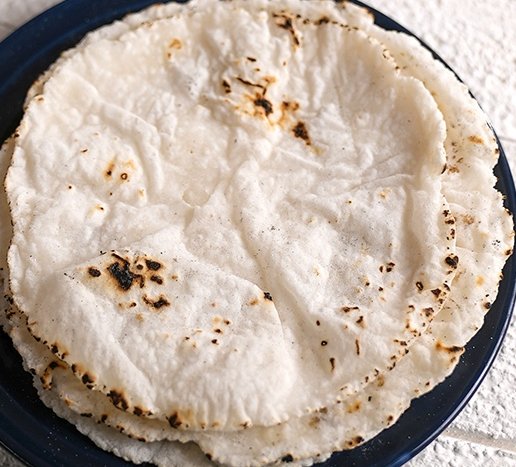
Rice roti is commonly eaten in several regions and is often chosen by people who avoid wheat.
However, rice flour still contains rapidly digestible carbohydrates.
One medium rice roti has an estimated glycemic load of 20–25.
Better Alternatives: Jowar and Bajra Roti
Millets are becoming increasingly popular because of their superior nutritional value.
Both jowar (sorghum) and bajra (pearl millet) provide:
- More fiber
- More minerals
- Better satiety
- Slower carbohydrate digestion
One medium jowar or bajra roti typically has a glycemic load of 12–15, making them excellent alternatives for people with diabetes.
Should You Stop Eating Rice Completely?
This is perhaps the most common question asked by people newly diagnosed with diabetes.
The answer is simple:
No.
Completely eliminating rice is unnecessary for most people.
Instead, focus on three important principles:
1. Choose the Right Type of Rice
Whenever possible, select:
- Brown rice
- Black rice
- Red rice
- Wild rice
These varieties generally contain more fiber and nutrients than polished white rice.
2. Watch Your Portion Size
Even the best rice for diabetics can raise blood sugar if consumed in excessive amounts.
Instead of filling half your plate with rice, reduce the serving and increase vegetables and lean protein.
3. Build a Balanced Plate
A diabetes-friendly meal should include:
- Non-starchy vegetables
- Lean protein
- Healthy fats
- Controlled portions of whole grains
This combination slows digestion and promotes better blood sugar control.
10 Practical Tips for Eating Rice Without Spiking Blood Sugar
Managing diabetes doesn’t mean giving up your favorite foods. These practical strategies can help you enjoy rice more safely.
1. Choose Brown Rice More Often
Brown rice contains more fiber than white rice, helping slow the release of glucose.
2. Control Portion Size
Keep cooked rice portions moderate instead of eating large servings.
3. Add Plenty of Vegetables
Vegetables increase fiber and reduce the overall glycemic load of your meal.
4. Include Lean Protein
Chicken, fish, eggs, tofu, or lentils help slow carbohydrate absorption.
5. Avoid Sugary Drinks
Soft drinks and sweet beverages combined with rice can dramatically increase blood sugar.
6. Eat Slowly
Eating slowly allows your body to regulate blood sugar more effectively and improves satiety.
7. Avoid Frequent Second Servings
Many people consume far more rice than they realize simply by refilling their plate.
8. Stay Physically Active
A short walk after meals can help muscles use glucose more efficiently.
9. Plan Meals in Advance
Meal planning reduces impulsive food choices that are often high in refined carbohydrates.
10. Monitor Your Blood Sugar
Everyone responds differently to carbohydrates. Checking your blood glucose can help you understand which foods work best for your body.
Frequently Asked Questions (FAQs)
Which is the best rice for diabetics?
Brown rice, black rice, red rice, and wild rice are generally better choices than white rice because they contain more fiber and nutrients. However, portion size remains equally important.
Can people with diabetes eat rice every day?
Yes. People with diabetes can eat rice daily if they choose healthier varieties, control portion sizes, and combine rice with vegetables and protein.
Is basmati rice good for diabetes?
Basmati rice generally has a lower glycemic index than many other white rice varieties. Whole-grain brown basmati rice is an even better option.
Is brown rice completely safe?
Brown rice is healthier than white rice, but it still contains carbohydrates. Eating excessive amounts can still raise blood sugar.
Which rice dish has the highest glycemic load?
Among the dishes discussed, fried rice and chicken biryani have some of the highest estimated glycemic loads due to large portions of white rice and added fats.
Final Thoughts: Small Changes Can Make a Big Difference
Living with diabetes doesn’t mean you have to say goodbye to rice forever. The key is making smarter choices rather than eliminating your favorite foods.
By choosing the best rice for diabetics, such as brown rice or other whole-grain varieties, reducing portion sizes, and replacing high-glycemic dishes with healthier alternatives like cauliflower rice, oat idli, or lentil dosa, you can enjoy satisfying meals while supporting healthier blood sugar levels.
Remember, diabetes management is not about perfection—it is about consistency. Every healthy decision you make today, whether it is swapping white rice for brown rice or adding more vegetables to your plate, can contribute to better long-term health.
Instead of asking, “Should I stop eating rice?”, ask yourself, “How can I eat rice more wisely?” That simple shift in mindset can make a meaningful difference in your journey toward better blood sugar control and overall well-being.
Call to Action
Did you find this guide helpful? Share it with your family and friends so they can also learn how to make smarter rice choices for better health. If there is another everyday food you’d like us to cover next, leave a comment below—we’d love to hear from you. Together, we can make healthy eating simple, practical, and enjoyable.
Stay healthy, stay informed, and remember: your greatest wealth is your health.