
Introduction
Weak bones are becoming a common health concern among people of all ages. Many individuals focus on calcium supplements and dairy products, believing that calcium alone is enough to maintain strong bones. However, the truth is much more complex. Your body requires several nutrients working together to build and maintain healthy bones, and two of the most important are Vitamin D3 and Vitamin K2.
Vitamin D3 helps your body absorb calcium from food, while Vitamin K2 ensures that calcium is directed to the bones and teeth instead of accumulating in the arteries, heart, or kidneys. Without enough Vitamin K2, the calcium absorbed through Vitamin D3 may not reach the places where it is needed most.
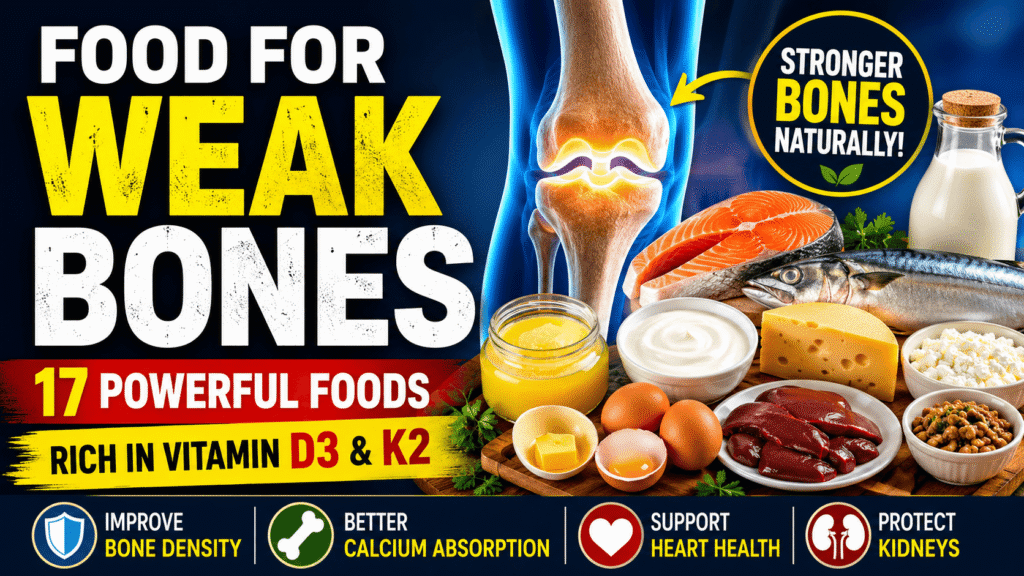
If you are searching for the best food for weak bones, this guide will introduce you to powerful natural foods rich in Vitamin D3 and K2. These foods can help support bone density, improve calcium utilization, and contribute to overall health.
Let’s explore the best foods that can help strengthen weak bones naturally.
Table of Contents
Why Weak Bones Are a Growing Health Problem
Bone health often declines gradually without noticeable symptoms. Many people only discover they have weak bones after experiencing fractures, joint pain, or mobility issues.
Several factors contribute to weak bones:
- Vitamin D deficiency
- Lack of Vitamin K2
- Poor calcium absorption
- Sedentary lifestyle
- Aging
- Hormonal changes
- Excessive consumption of processed foods
- Limited sun exposure
The good news is that making the right dietary choices can significantly improve bone health over time.
Understanding the Role of Vitamin D3 in Bone Health
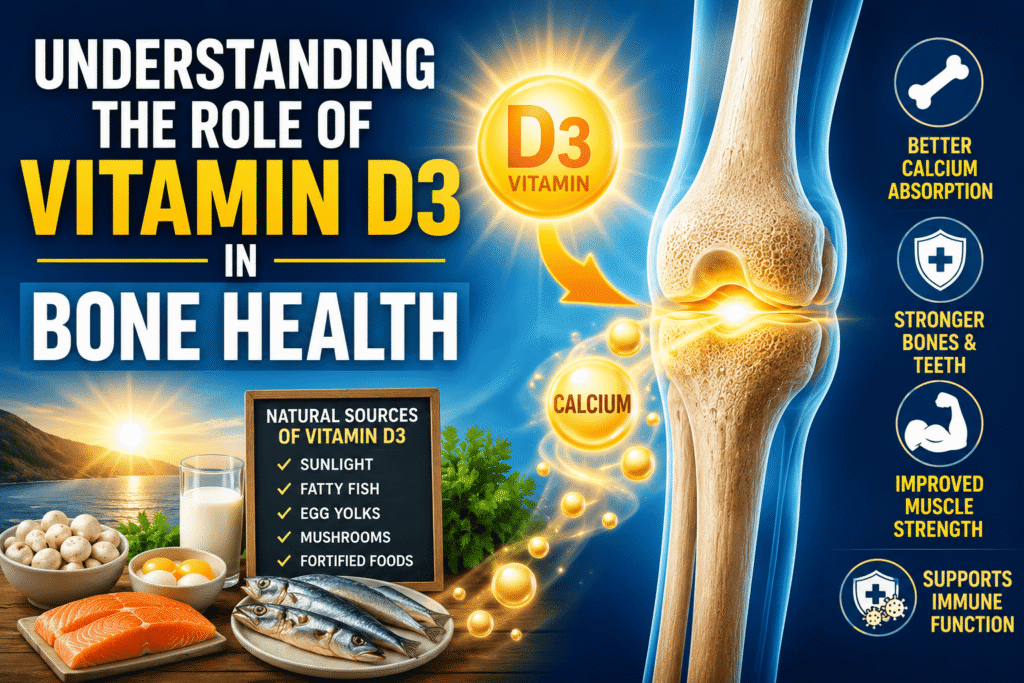
Vitamin D3 plays a critical role in calcium absorption. Even if your diet contains enough calcium, your body cannot effectively utilize it without adequate Vitamin D3.
Benefits of Vitamin D3 include:
- Enhanced calcium absorption
- Stronger bones and teeth
- Improved immune function
- Better muscle strength
- Reduced risk of fractures
People with low Vitamin D3 levels often experience weak bones, fatigue, muscle weakness, and a higher risk of osteoporosis.
Why Vitamin K2 Is Essential for Strong Bones
While Vitamin D3 helps absorb calcium, Vitamin K2 acts as a guide. It activates proteins that transport calcium into the bones and prevent calcium deposits from forming in soft tissues.
Benefits of Vitamin K2 include:
- Improved bone mineral density
- Better calcium utilization
- Reduced arterial calcification
- Enhanced cardiovascular health
- Stronger teeth and bones
Together, Vitamin D3 and Vitamin K2 create a powerful partnership for bone health.
1. Egg Yolks – A Natural Bone-Strengthening Superfood
Egg yolks are among the most accessible foods for weak bones. They naturally contain both Vitamin D3 and Vitamin K2.
Benefits of egg yolks:
- Support bone mineralization
- Improve calcium absorption
- Provide healthy fats
- Rich in protein and essential nutrients
Including eggs in your breakfast several times per week can contribute significantly to stronger bones.
2. Desi Ghee – Traditional Nutrition for Strong Bones
Desi ghee has been valued for centuries in traditional diets. It contains small amounts of Vitamin D3 and Vitamin K2 while providing healthy fats that improve nutrient absorption.
Benefits include:
- Better absorption of fat-soluble vitamins
- Support for bone health
- Energy production
- Improved digestion
Moderation is important, as ghee is calorie-dense.
3. Butter – A Source of Bone-Supporting Nutrients
Butter contains Vitamins D3 and K2, making it another useful food for weak bones.
Benefits:
- Supports calcium metabolism
- Provides fat-soluble vitamins
- Adds healthy fats to the diet
Use butter in moderation as part of a balanced eating plan.
4. Paneer – High Protein Food for Weak Bones
Paneer is a nutritional powerhouse rich in protein, calcium, and Vitamin K2.
Why paneer helps:
- Supports bone rebuilding
- Provides essential amino acids
- Contains calcium and phosphorus
- Helps maintain muscle mass
It is an excellent choice for vegetarians seeking foods that support bone strength.
5. Cheddar Cheese – One of the Best Sources of Vitamin K2
Cheddar cheese stands out because of its impressive Vitamin K2 content.
Benefits:
- Directs calcium into bones
- Supports bone density
- Rich in calcium
- Provides quality protein
Adding small portions of cheddar cheese to your meals can contribute significantly to bone health.
6. Yogurt – Gut Health and Bone Health Combined
Yogurt offers multiple benefits beyond bone health.
Advantages include:
- Contains calcium and Vitamin K2
- Supports digestive health
- Improves nutrient absorption
- Rich in probiotics
Homemade yogurt is often considered a healthier option because it contains beneficial bacteria and fewer additives.
7. Rohu Fish – A Powerful Vitamin D3 Source
Fish are among the richest natural sources of Vitamin D3.
Rohu fish provides:
- High Vitamin D3 levels
- Quality protein
- Omega-3 fatty acids
- Essential minerals
Regular fish consumption can significantly improve bone strength and overall health.
8. Mackerel – A Nutrient-Dense Food for Weak Bones
Mackerel is loaded with nutrients that support bone health.
Benefits include:
- Rich Vitamin D3 content
- Healthy omega-3 fats
- Protein for tissue repair
- Anti-inflammatory properties
This fish is particularly beneficial for older adults concerned about bone density.
9. Salmon – One of Nature’s Best Bone-Building Foods
Salmon is widely recognized as one of the healthiest fish available.
Benefits:
- Exceptional Vitamin D3 levels
- High-quality protein
- Heart-friendly omega-3 fatty acids
- Support for joint health
Including salmon in your diet once or twice weekly can support long-term bone health.
10. Beef Liver – A Hidden Nutritional Treasure
Although not everyone enjoys liver, it is one of the richest natural sources of Vitamin K2.
Benefits:
- High Vitamin K2 content
- Excellent iron source
- Supports blood health
- Promotes healthy calcium metabolism
Consume occasionally as part of a balanced diet.
11. Chicken Liver – Affordable and Nutrient-Rich
Chicken liver provides a wide range of nutrients necessary for healthy bones.
Advantages:
- Vitamin K2
- Iron
- Protein
- B vitamins
It is one of the most affordable nutrient-dense foods available.
12. Mutton – Protein for Bone Maintenance
Mutton contributes important nutrients that support skeletal health.
Benefits:
- Quality protein
- Essential minerals
- Vitamin D3
- Supports muscle and bone maintenance
Choose grilled or boiled preparations for the healthiest option.
13. Chicken – Lean Protein for Strong Bones
Chicken provides high-quality protein essential for bone repair and maintenance.
Benefits include:
- Lean protein source
- Supports muscle strength
- Helps maintain bone structure
- Low in carbohydrates
Healthy cooking methods help maximize its nutritional value.
14. Fortified Milk – Convenient Source of Vitamin D3
Many commercial milk brands fortify their products with Vitamin D3.
Benefits:
- Improves calcium absorption
- Supports bone development
- Easy to include in daily diets
Always check nutrition labels to verify fortification levels.
15. Cow’s Milk – Traditional Food for Weak Bones
Cow’s milk remains one of the most popular foods associated with bone health.
Advantages:
- Natural calcium source
- Contains Vitamin D
- Supports skeletal growth
- Provides protein
Milk can be especially beneficial for children and older adults.
16. Natto – The World’s Richest Source of Vitamin K2
Natto is a fermented soybean product commonly consumed in Japan.
Why it is exceptional:
- Extremely high Vitamin K2 levels
- Supports calcium utilization
- Helps maintain bone density
- Promotes cardiovascular health
Although less common in many countries, it is one of the most effective foods for weak bones.
17. Sardines and Shrimp – Small Seafood with Big Benefits
Both sardines and shrimp provide nutrients that support bone health.
Benefits include:
- Vitamin D3
- Protein
- Essential minerals
- Low-calorie nutrition
Sardines also contain edible bones, making them an excellent calcium source.
Lifestyle Habits That Improve Bone Strength
Food alone is not enough. Strong bones require a healthy lifestyle.
Important habits include:
Spend Time in Sunlight
Sun exposure helps your body naturally produce Vitamin D3.
Exercise Regularly
Weight-bearing activities stimulate bone growth and strengthen the skeleton.
Maintain a Healthy Weight
Both underweight and obesity can negatively impact bone health.
Avoid Smoking
Smoking accelerates bone loss and increases fracture risk.
Limit Excessive Sugar Intake
High sugar consumption may interfere with bone health over time.
Common Mistakes People Make When Trying to Strengthen Bones
Many people unknowingly make mistakes such as:
- Taking calcium without Vitamin D3
- Ignoring Vitamin K2
- Avoiding healthy fats
- Spending little time outdoors
- Following extremely restrictive diets
Addressing these issues can significantly improve bone health outcomes.
The Best Daily Diet Plan for Weak Bones
A simple daily plan could include:
Breakfast
- Eggs
- Yogurt
- Fortified milk
Lunch
- Grilled chicken or fish
- Vegetables
- Paneer salad
Snack
- Cheese
- Nuts
Dinner
- Salmon, mackerel, or mutton
- Fresh vegetables
- Homemade yogurt
This combination helps provide calcium, Vitamin D3, Vitamin K2, protein, and other essential nutrients.
Conclusion
If you are searching for the best food for weak bones, focusing on foods rich in Vitamin D3 and Vitamin K2 is one of the smartest strategies. These two nutrients work together to ensure that calcium is absorbed properly and deposited where it belongs—inside your bones.
Foods such as egg yolks, desi ghee, paneer, cheddar cheese, yogurt, salmon, mackerel, liver, fortified milk, natto, sardines, and shrimp can all contribute to stronger bones when included in a balanced diet. Combined with regular exercise, sunlight exposure, and healthy lifestyle habits, these foods can help improve bone density, reduce fracture risk, and support lifelong skeletal health.
Instead of relying solely on supplements, prioritize natural foods that nourish your bones from the inside out. Strong bones are built every day through the choices you make on your plate.
Frequently Asked Questions (FAQs)
1. What is the best food for weak bones?
Foods rich in Vitamin D3, Vitamin K2, calcium, and protein such as salmon, egg yolks, yogurt, paneer, cheddar cheese, and sardines are among the best foods for weak bones.
2. Why are Vitamin D3 and Vitamin K2 important together?
Vitamin D3 helps absorb calcium, while Vitamin K2 directs calcium into the bones and teeth, preventing unwanted calcium deposits in arteries and soft tissues.
3. Can weak bones be strengthened naturally?
Yes. A combination of nutrient-rich foods, regular exercise, sunlight exposure, and healthy lifestyle habits can help strengthen bones naturally.
4. Is milk enough to strengthen bones?
Milk provides calcium and some Vitamin D, but optimal bone health also requires Vitamin K2, protein, magnesium, and regular physical activity.
5. Which fish is best for bone health?
Salmon, mackerel, rohu fish, and sardines are excellent choices because they provide Vitamin D3, protein, and healthy omega-3 fats.
6. Is Vitamin K2 necessary if I take Vitamin D3 supplements?
Vitamin K2 helps ensure calcium reaches the bones rather than accumulating in soft tissues. Many experts recommend adequate K2 intake when using Vitamin D3 supplements.
7. Are eggs good for weak bones?
Yes. Egg yolks naturally contain Vitamin D3, Vitamin K2, healthy fats, and protein, making them beneficial for bone health.
8. What foods should I avoid if I have weak bones?
Limit excessive sugary foods, highly processed foods, excessive alcohol, and smoking, as these can negatively affect bone health over time.