
Introduction: Why a Carbohydrate Calculator Matters More Than Ever
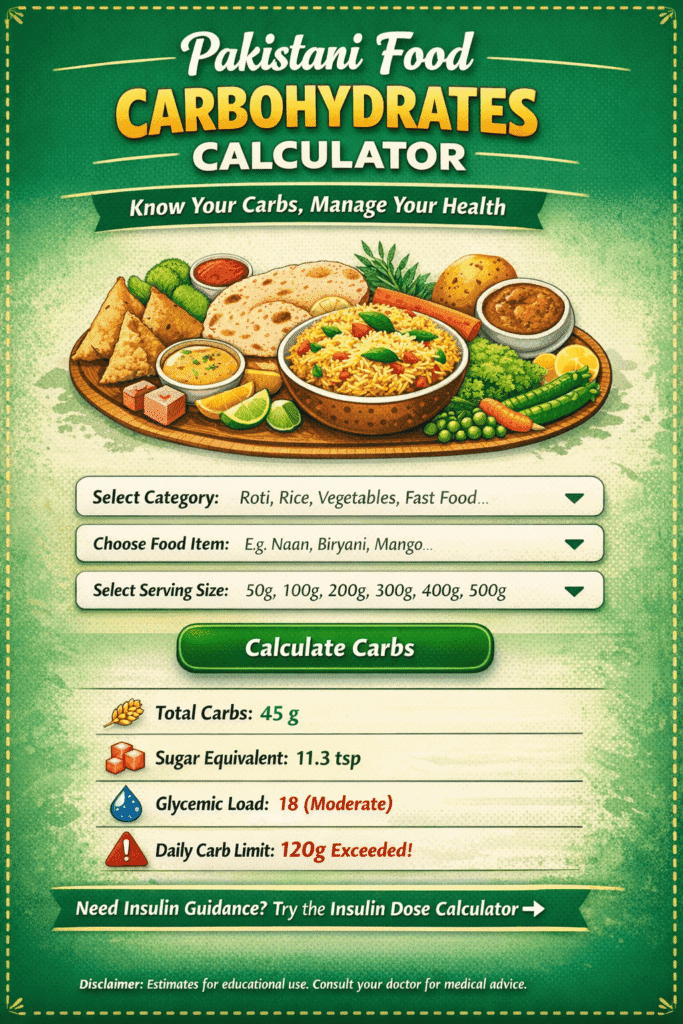
Pakistani Food Carbohydrate Calculator
Advanced Carb • Sugar • Glycemic Load Calculator
In today’s fast-paced world, food choices have become increasingly complex—especially in countries like Pakistan, where traditional meals are rich in wheat, rice, and carbohydrates. Whether it’s roti at breakfast, rice at lunch, or fast food in the evening, carbohydrates dominate the Pakistani plate. While carbs are an essential energy source, excessive carbohydrate intake is one of the biggest contributors to rising diabetes, obesity, and metabolic disorders.
This is where a carbohydrate calculator becomes not just helpful—but necessary.
The Pakistani Food Carbohydrate Calculator (Grams-Based) was developed to solve a very specific and long-standing problem:
👉 People know what they are eating, but they don’t know how many carbohydrates they are actually consuming.
This article is a complete, in-depth guide to understanding how this calculator works, why it is important, and how it can help you make smarter dietary decisions, especially if you are managing diabetes or pre-diabetes.
Table of Contents
What Is a Carbohydrate Calculator?
A carbohydrate calculator is a digital tool that estimates the amount of carbohydrates present in a specific food item based on portion size. Unlike calorie calculators that focus on total energy, a carb calculator zooms in on the nutrient that most directly affects blood sugar levels.
The Pakistani Food Carbohydrate Calculator is unique because it focuses exclusively on:
- Pakistani foods
- Gram-based portion sizes
- Real-life eating patterns
- Glycemic impact, not just numbers
Instead of vague terms like “one roti” or “one plate of rice,” this calculator works with precise gram measurements, making it far more accurate and practical.
Why Pakistan Needs a Dedicated Carbohydrate Calculator
Most international food calculators are designed for Western diets. They focus on foods like pasta, cereal, or sandwiches. But Pakistani meals are very different.
Here’s what makes the Pakistani diet unique:
- Heavy reliance on wheat-based foods (roti, naan, paratha)
- Frequent consumption of white rice
- High intake of refined flour products
- Growing popularity of Pakistani fast foods
- Limited awareness of hidden carbohydrates
A generic carb calculator simply does not reflect these realities. That’s why the Pakistani Food Carbohydrate Calculator was specifically developed using local foods and eating habits.
Understanding Carbohydrates in Pakistani Foods
Before using any carbohydrate calculator, it’s important to understand what carbohydrates actually are.
Carbohydrates include:
- Starches (roti, rice, potatoes)
- Sugars (fruits, sweets, desserts)
- Fiber (vegetables, whole grains)
In the body, most carbohydrates convert into glucose, which directly raises blood sugar levels. For diabetics, this process must be carefully managed.
Common High-Carb Pakistani Foods
- Chapati / Roti
- Naan & Paratha
- White Rice & Biryani
- Bakery items
- Samosas & Pakoras
- Fast food burgers & fries
Without a carbohydrate calculator, it is almost impossible to estimate how much sugar your body is actually producing from these foods.
What Makes This Carbohydrate Calculator Different?
The Pakistani Food Carbohydrate Calculator (Grams-Based) is not just another nutrition tool. It has been designed with accuracy, simplicity, and real-life use in mind.
Key Features:
- Grams-based serving sizes (50g to 500g)
- Focus on Pakistani foods
- Calculates total carbohydrates
- Converts carbs into sugar equivalent
- Estimates glycemic load
- Simple and user-friendly interface
This makes it suitable for:
- Diabetics
- Pre-diabetics
- Fitness-conscious individuals
- Nutrition educators
- Healthcare awareness platforms
Why Grams-Based Serving Sizes Are a Game-Changer
One of the biggest flaws in traditional diet advice is the use of vague serving sizes.
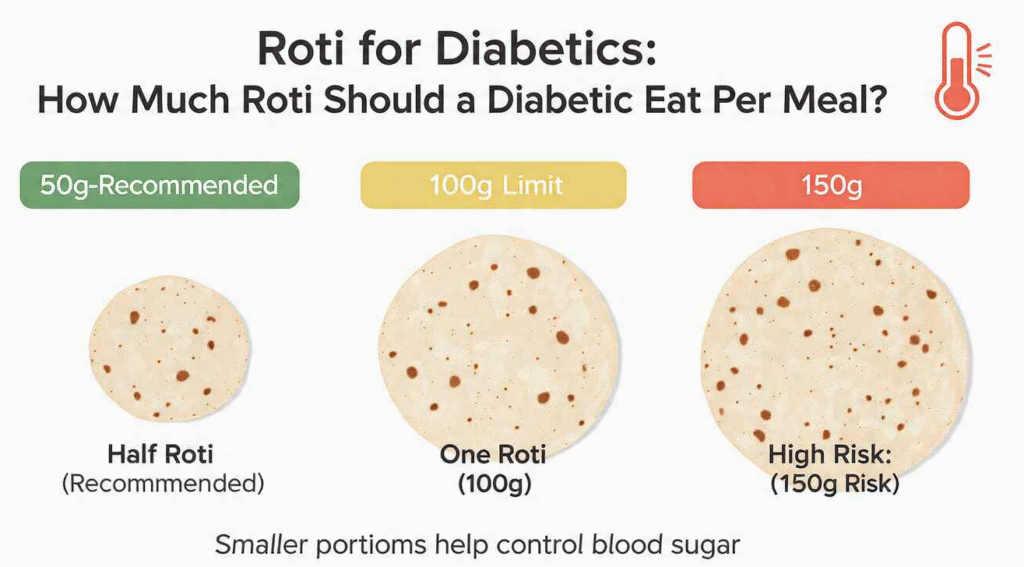
What does “one roti” really mean?
- Thick or thin?
- Large or small?
- Homemade or tandoori?
The grams-based approach eliminates confusion.
Available Serving Sizes:
- 50 g
- 100 g
- 200 g
- 300 g
- 400 g
- 500 g
By using grams, the carbohydrate calculator provides:
- Precision
- Consistency
- Better blood sugar control
- Reliable comparisons between foods
This approach is especially valuable for diabetics who must match their carbohydrate intake carefully with medication or insulin.
Food Categories Covered in the Calculator
The strength of this carbohydrate calculator lies in its wide coverage of Pakistani foods.
1. Roti & Wheat Products
- Chapati
- Multigrain Roti
- Naan
- Paratha
- Bread & bakery items
2. Rice & Rice Products
- White rice
- Brown rice
- Biryani
- Pulao
- Fried rice
3. Vegetables
- Potato
- Peas
- Carrot
- Pumpkin
- Okra
4. Fruits
- Banana
- Apple
- Mango
- Dates
- Guava
5. Fast Foods (Pakistan)
- Zinger burger
- Chicken burger
- Pizza slice
- French fries
- Samosa & pakora
This comprehensive food list makes the carbohydrate calculator practical for daily life, not just theory.

How the Carbohydrate Calculator Works (Step-by-Step)
Using the calculator is intentionally simple.
Step 1: Select Food Category
Choose from roti, rice, vegetables, fruits, or fast food.
Step 2: Select Food Item
Pick the exact item you are eating.
Step 3: Select Serving Size (Grams)
Choose between 50g and 500g.
Step 4: View Results
The calculator instantly shows:
- Total carbohydrates (grams)
- Sugar equivalent (teaspoons)
- Estimated glycemic load
- Impact warning for diabetics
No math. No guesswork. Just clear results.
Understanding Sugar Equivalent: The Eye-Opening Metric
One of the most powerful features of this carbohydrate calculator is the sugar equivalent display.
Many people don’t realize that:
- 4 grams of carbohydrates ≈ 1 teaspoon of sugar
So when you see:
- 60g carbohydrates = 15 teaspoons of sugar
It becomes instantly clear why blood sugar spikes happen—even without eating “sugar” directly.
This feature is especially useful for:
- Diabetes education
- Awareness campaigns
- Patient counseling
What Is Glycemic Load and Why It Matters
While carbohydrate quantity is important, glycemic load (GL) adds another layer of understanding.
Glycemic load considers:
- How fast carbohydrates raise blood sugar
- How much carbohydrate is consumed
A food with:
- High GL → Rapid blood sugar spike
- Low GL → More stable glucose response
The calculator provides an estimated glycemic load, helping users:
- Choose better portion sizes
- Reduce blood sugar fluctuations
- Improve long-term glucose control
Who Should Use This Carbohydrate Calculator?
This tool is designed for real people with real health concerns.
Ideal Users:
- People with Type 2 Diabetes
- People with Pre-Diabetes
- Individuals with Insulin Resistance
- Weight-conscious individuals
- Nutrition students & educators
- Health bloggers & platforms
Even healthy individuals can benefit by preventing future metabolic problems.
How This Calculator Supports Diabetes Management
Diabetes is not just about avoiding sugar—it’s about managing total carbohydrate intake.
This carbohydrate calculator helps by:
- Showing hidden carbs in daily foods
- Improving portion awareness
- Supporting better meal planning
- Reducing post-meal glucose spikes
When combined with:
- Regular glucose monitoring
- Medical guidance
- Balanced nutrition
It becomes a powerful diabetes education tool.
Linking Carbohydrates with Insulin Dose Calculators
Carbohydrates and insulin are deeply connected.
That’s why this calculator works best when paired with an Insulin Dose Calculator.
The Natural Flow:
Food → Carbohydrates → Sugar → Insulin
By first knowing your carbohydrate intake, you can then:
- Estimate insulin requirements
- Reduce dosing errors
- Improve glucose stability
This creates a complete digital diabetes management ecosystem.
Educational Disclaimer: Why It’s Important
The calculator includes a clear disclaimer to ensure responsible use.
It reminds users that:
- Values are estimates
- Cooking methods affect carb content
- Medical advice should always come from professionals
This builds trust, transparency, and credibility—essential for health-related tools.
Future Scope of the Pakistani Carbohydrate Calculator
This calculator is a strong foundation for future enhancements, such as:
- Urdu language version
- Daily carb tracking
- Personalized carb limits
- Mobile app integration
- Healthcare professional dashboards
Its modular design makes it scalable and future-ready.
Frequently Asked Questions (FAQ)
1. What is a carbohydrate calculator?
A carbohydrate calculator is a digital tool that helps estimate the amount of carbohydrates present in different foods based on portion size. In simple terms, it tells you how much sugar your body may receive from foods like roti, rice, fruits, vegetables, and fast foods. This information is especially important for people managing diabetes or trying to control blood sugar levels.
2. How is this Pakistani Food Carbohydrates Calculator different from others?
Most carbohydrate calculators are designed around Western foods and serving sizes. This calculator is specifically built for Pakistani foods, including:
- Roti (chakki atta, multigrain, naan)
- Rice (boiled, pulao, biryani)
- Fruits and vegetables commonly eaten in Pakistan
- Popular Pakistani fast foods
It also uses grams-based input, making it more accurate than calculators based on cups or vague portion descriptions.
3. Why is grams-based calculation more accurate?
Grams-based calculation removes guesswork. Portion sizes like “one roti” or “one bowl of rice” can vary significantly. When you enter food weight in grams (50 g, 100 g, 150 g, etc.), the carbohydrate calculator provides a more precise estimate of carbohydrate intake, helping you make better dietary decisions.
4. Who should use this carbohydrate calculator?
This calculator is useful for:
- People with diabetes
- Individuals with pre-diabetes
- Those following a low-carb or controlled-carb diet
- Patients using insulin or oral diabetes medications
- Anyone who wants to understand how Pakistani foods affect blood sugar
Even non-diabetic users can benefit by learning how carbohydrates impact energy levels and weight management.
5. Does this calculator show sugar or only carbohydrates?
Yes, the calculator does more than just show carbohydrates. It also estimates:
- Total carbohydrates (grams)
- Sugar equivalent (teaspoons)
- Estimated glycemic load
This helps users understand that carbohydrates eventually convert into sugar in the body, which directly affects blood glucose levels.
6. Can this carbohydrate calculator help control blood sugar?
Absolutely. Knowing how many carbohydrates you consume in a meal allows you to:
- Adjust portion sizes
- Balance meals with protein and fiber
- Prevent sudden blood sugar spikes
- Make informed food choices
While the calculator does not replace medical advice, it acts as a powerful self-management tool for better blood sugar control.
7. Does the calculator include fast food items?
Yes. One of the key strengths of this calculator is the inclusion of Pakistani fast foods, such as:
- Burgers
- Fried snacks
- Bakery items
- Street foods
Fast foods are often high in hidden carbohydrates, and this calculator helps reveal their true carbohydrate load.
8. Can I use this carbohydrate calculator for insulin dose estimation?
The carbohydrate calculator itself does not prescribe insulin doses, but it works alongside an insulin dose calculator. Once you know your carbohydrate intake, you can use the linked insulin calculator to estimate insulin requirements under medical guidance. This combination is particularly helpful for people using carbohydrate counting for insulin management.
9. Does this calculator support daily carbohydrate limits?
Yes. The calculator includes a daily carbohydrate limit alert feature. If your total carbohydrate intake exceeds your selected daily limit, the system alerts you. This feature is useful for people following structured meal plans or diabetes management goals.
10. Is this carbohydrate calculator suitable for weight loss?
Yes. Carbohydrate awareness plays a major role in weight management. By using this calculator, users can:
- Identify high-carb foods
- Reduce unnecessary carbohydrate intake
- Control calorie overload caused by refined carbs
- Make healthier substitutions
It supports both diabetes control and weight management goals.
11. How accurate is the data used in this calculator?
The calculator uses standard nutritional values based on commonly accepted food composition data. However, actual carbohydrate content may vary slightly depending on:
- Cooking method
- Ingredients used
- Food processing level
The values provided are estimates, intended for educational and planning purposes.
12. Can this calculator replace advice from a doctor or dietitian?
No. This carbohydrate calculator is an educational tool, not a medical device. It helps users understand food choices, but it should not replace personalized advice from a doctor, diabetes educator, or dietitian. Always consult a healthcare professional for medical decisions.
13. Is this calculator free to use?
Yes. The Pakistani Food Carbohydrates Calculator is designed to be free, user-friendly, and accessible to everyone who wants to improve their dietary awareness.
14. Why is carbohydrate awareness important for diabetics?
Carbohydrates have the greatest impact on blood sugar levels. Without knowing how many carbohydrates are consumed, it becomes difficult to:
- Adjust insulin or medication
- Maintain stable blood glucose
- Prevent complications
A reliable carbohydrate calculator makes this awareness practical and actionable.
15. Can this calculator be used daily?
Yes. You can use the carbohydrate calculator daily to:
- Plan meals
- Compare food choices
- Monitor carbohydrate trends
- Stay consistent with dietary goals
Daily use encourages better habits and long-term health improvements.
Conclusion: A Smarter Way to Understand Pakistani Food
The Pakistani Food Carbohydrate Calculator (Grams-Based) is more than just a digital tool—it’s an educational bridge between traditional eating habits and modern health awareness.
By focusing on:
- Local foods
- Gram-based accuracy
- Carbohydrates, sugar, and glycemic load
This carbohydrate calculator empowers people to make informed food choices, manage blood sugar better, and take control of their long-term health.
In a country where roti and rice are staples, understanding carbohydrates is not optional—it’s essential.
If you want to eat smart, manage diabetes effectively, or simply become more aware of what’s on your plate, this carbohydrate calculator is the perfect place to start. for insulin dose calculator, please check this one: