
گندم کا گلیسیمک انڈیکس کی وضاحت: آپ کی روزانہ کی روٹی کیوں آپ کے بلڈ شوگر کو بڑھا سکتی ہے؟
For decades, wheat has been considered a healthy staple, especially in South Asian households where roti, chapati, naan, and paratha are eaten daily. Many people believe that as long as they avoid table sugar and sweets, their blood sugar will remain under control. Unfortunately, this belief is one of the biggest reasons why blood sugar stays high despite “healthy eating.”
The real issue is not just sugar — it is carbohydrates, and wheat is one of the largest sources of carbohydrates in daily meals. Understanding the glycemic index of wheat and its glycemic load can completely change how you view your everyday food choices.
Table of Contents
This article explains, in simple and practical language, how wheat behaves inside the body, why your daily roti may be spiking blood sugar, and how you can use a Wheat Foods to Sugar Reality Calculator to make smarter decisions.
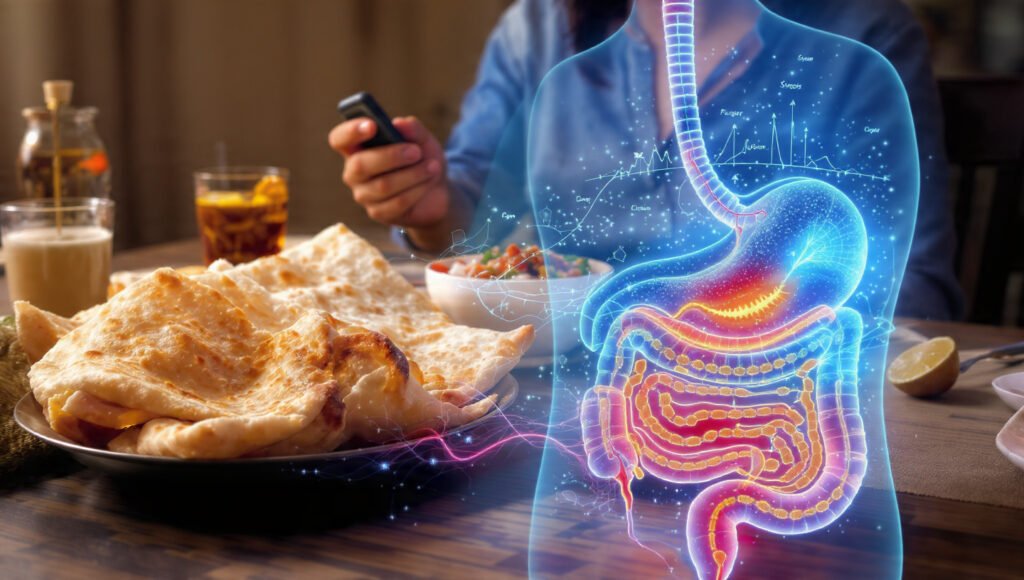
عقود سے، گندم کو ایک صحت مند بنیادی غذا سمجھا جاتا رہا ہے، خاص طور پر جنوبی ایشیائی گھرانوں میں جہاں روٹی، چپاتی، نان اور پراٹھا روزانہ کھایا جاتا ہے۔ بہت سے لوگ یہ مانتے ہیں کہ جب تک وہ میز کی شکر اور مٹھائیاں سے پرہیز کریں گے، ان کا بلڈ شوگر کنٹرول میں رہے گا۔ بدقسمتی سے، یہ عقیدہ ان بڑی وجوہات میں سے ایک ہے جس کی بنا پر “صحت مند کھانے” کے باوجود بلڈ شوگر بلند رہتا ہے۔
حقیقی مسئلہ صرف شکر نہیں بلکہ کاربوہائیڈریٹس ہیں، اور گندم روزانہ کے کھانوں میں کاربوہائیڈریٹس کا سب سے بڑا ذریعہ ہے۔ گندم کا گلیسیمک انڈیکس اور اس کا گلیسیمک لوڈ سمجھنا آپ کے روزمرہ کے غذائی انتخاب کو مکمل طور پر بدل سکتا ہے۔
یہ مضمون سادہ اور عملی زبان میں وضاحت کرتا ہے کہ گندم جسم کے اندر کیسے کام کرتی ہے، آپ کی روزانہ کی روٹی کیوں بلڈ شوگر بڑھا سکتی ہے، اور آپ “گندم سے شکر کی حقیقت کیلکولیٹر” کا استعمال کر کے بہتر فیصلے کیسے کر سکتے ہیں۔
What Is the Glycemic Index? Explained Simply
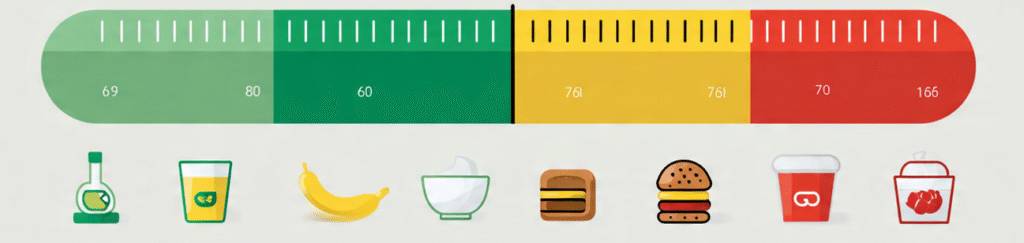
The glycemic index (GI) is a scale that measures how quickly a food raises blood glucose levels after eating. It assesses various foods against pure glucose, which has a glycemic index (GI) of 100. There are three categories of Glycemic index
- Low GI: 55 or less
- Medium GI: 56–69
- High GI: 70 or above
Foods with a high glycemic index break down quickly into glucose, causing a rapid spike in blood sugar. Foods with a low GI digest more slowly and release glucose gradually into the bloodstream.
This concept is extremely important for people with diabetes, prediabetes, insulin resistance, PCOS, and belly fat, yet it is often ignored in daily meal planning.
گلیسیمک انڈیکس کیا ہے؟ سادہ وضاحت
گلیسیمک انڈیکس (GI) ایک پیمانہ ہے جو یہ ناپتا ہے کہ کھانے کے بعد کوئی غذا کتنی تیزی سے بلڈ گلوکوز کی سطح بڑھاتی ہے۔ یہ مختلف غذاؤں کو خالص گلوکوز کے مقابلے میں جانچتا ہے، جس کا GI 100 ہے۔ گلیسیمک انڈیکس کی تین اقسام ہیں:
کم GI: 55 یا اس سے کم
درمیانی GI: 56–69
زیادہ GI: 70 یا اس سے اوپر
زیادہ GI والی غذائیں تیزی سے گلوکوز میں ٹوٹتی ہیں، جس سے بلڈ شوگر میں تیزی سے اضافہ ہوتا ہے۔ کم GI والی غذائیں آہستہ ہضم ہوتی ہیں اور گلوکوز کو خون میں تدریجی طور پر چھوڑتی ہیں۔
یہ تصور ذیابیطس، پری ڈائیبیٹس، انسولین ریزسٹنس، PCOS اور پیٹ کی چربی والے لوگوں کے لیے بہت اہم ہے، مگر روزانہ کے کھانے کی منصوبہ بندی میں اکثر نظر انداز کیا جاتا ہے
Why Glycemic Index Alone Is Not Enough
While the glycemic index is helpful, it does not tell the full story. glycemic load (GL) is more important. A food can have a moderate glycemic index, but if eaten in large quantities, it can still cause a dangerous blood sugar spike. This happens frequently with wheat-based foods.
گلیسیمک انڈیکس اکیلا کافی کیوں نہیں؟
زیادہ اہم ہے گلیسیمک انڈیکس مددگار تو ہے، مگر مکمل کہانی نہیں بتاتا۔ GL
“کوئی غذا درمیانی جی آئی کی ہو سکتی ہے، مگر اگر بڑی مقدار میں کھائی جائے تو خطرناک بلڈ شوگر اضافہ کر سکتی ہے۔ یہ گندم پر مبنی غذاؤں کے ساتھ اکثر ہوتا ہے۔”
What Is Glycemic Load and Why It Matters More
Glycemic load considers two things:
- The glycemic index of the food
- The amount of carbohydrates consumed in one serving
The formula is simple:
Glycemic Load = (GI × Carbohydrates per serving) ÷ 100
This means portion size matters just as much as food type. Eating two or three rotis does not have the same effect as eating one, even if all are made from whole wheat flour.
For real-life eating habits, glycemic load is far more practical than glycemic index alone.
گلیسیمک لوڈ کیا ہے اور یہ زیادہ اہم کیوں؟
گلیسیمک لوڈ دو چیزوں پر غور کرتا ہے
غذا کا گلیسیمک انڈیکس
ایک سرونگ میں کاربوہائیڈریٹس کی مقدار
فارمولا سادہ ہے
گلیسیمک لوڈ = (گلیسیمک انڈیکس × سرونگ میں کاربوہائیڈریٹس کی مقدار) ÷ 100
یہ بتاتا ہے کہ مقدار بھی اہم ہے جتنی غذا کی قسم۔ دو یا تین روٹیاں کھانا ایک روٹی سے مختلف اثر رکھتا ہے، چاہے سب پورے گندم کے آٹے سے بنی ہوں۔
حقیقی کھانے کی عادات کے لیے، گلیسیمک لوڈ گلیسیمک انڈیکس سے زیادہ عملی اور مفید ہے۔
Understanding Wheat as a Carbohydrate Source
Wheat is primarily made of starch, which is a long chain of glucose molecules. During digestion:
- Saliva and digestive enzymes break wheat starch into glucose
- Glucose rapidly enters the bloodstream
- Blood sugar levels rise
From a biological perspective, wheat and sugar are not very different once digestion begins. The main difference lies in speed, not outcome.
This is why people who avoid sweets but eat large quantities of wheat still struggle with high blood sugar.
Glycemic Index of Wheat: Whole Wheat vs Refined Wheat
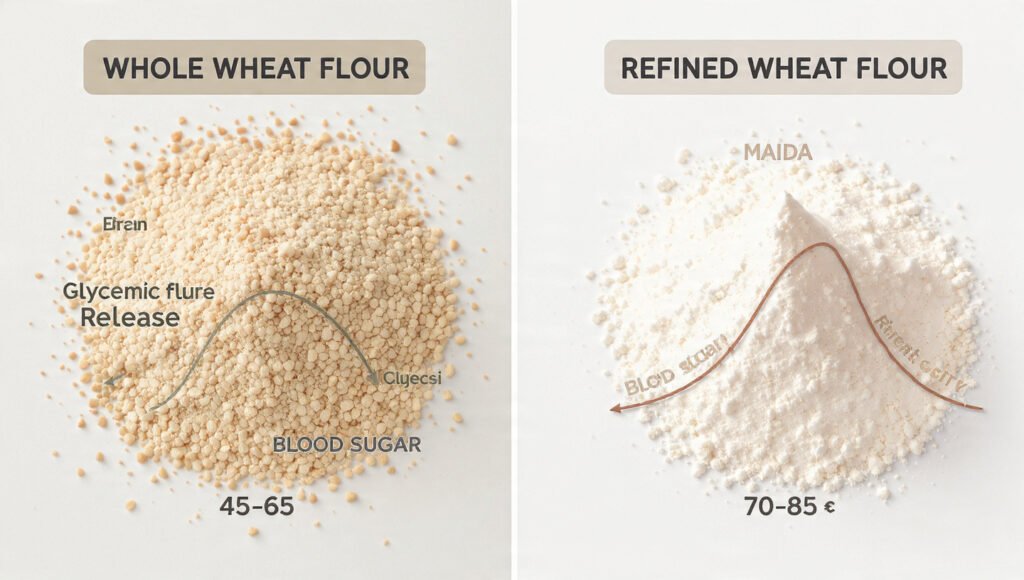
Many people assume that switching from refined flour to whole wheat flour completely solves the problem. While whole wheat is better, it is not blood-sugar neutral.
| Whole Wheat Flour | Refined Wheat Flour (Maida) |
| Moderate glycemic index i.e. 45-65 | High glycemic index i.e. 70-85 |
| Contains fiber, which slows digestion | Fiber removed |
| Still raises blood sugar if eaten in excess | Causes rapid glucose spikes |
Even whole wheat products can spike blood sugar if:
- Portions are large
- Fiber intake is low overall
- Protein and fat are missing from the meal
Glycemic Index of Common Wheat-Based Foods
Different wheat foods behave differently in the body due to processing, cooking method, and portion size.
- Chapati / Roti: Moderate GI, but high GL when multiple are eaten
- Tandoori Roti: Slightly higher GI due to cooking method
- Naan: High GI and very high GL
- White Bread: High GI and fast digestion
- Brown Bread: Often misleading, still high GI
- Paratha: High GL due to added fat and refined flour
- Bakery Products: Extremely high GI and GL
The more processed the wheat, the faster it converts into glucose.
Glycemic Load of Wheat Foods: The Real Danger
This is where most people unknowingly make mistakes.
One medium roti may seem harmless. But when you eat two rotis, three rotis, roti with potato curry, r oti without protein or fiber. The glycemic load multiplies, leading to sharp post-meal glucose spikes.
In practical terms, multiple rotis can behave like eating several teaspoons of sugar, even though nothing tastes sweet.
Why Your Daily Roti May Be Spiking Your Blood Sugar
Several factors work together:
- Large portion sizes
- Frequent wheat-based meals
- Lack of protein and healthy fats
- Highly processed flour
- Sedentary lifestyle after meals
Even people who eat “simple home food” can experience uncontrolled blood sugar if wheat dominates every meal.
Wheat to Sugar Reality Calculator Explained: Understand How Your Daily Wheat Turns into Sugar
Most people believe that blood sugar rises only when we eat sweets, desserts, or table sugar. This belief feels logical, but it is dangerously incomplete. In reality, the biggest contributor to high blood sugar in everyday diets is not visible sugar — it is hidden sugar created from carbohydrates, especially wheat-based foods like roti, naan, bread, and paratha.
This is exactly why the Wheat → Sugar Reality Calculator exists.
Why a Wheat-to-Sugar Calculator Is Needed Today
In South Asia, the Middle East, and many Western countries, wheat is consumed multiple times a day. Breakfast may include bread, lunch includes roti or naan, and dinner often repeats the same pattern. Despite this, people are confused when their blood glucose remains high.
The reason is simple:
- Wheat is a carbohydrate-dense food
- Carbohydrates convert into glucose
- Glucose behaves like sugar in the bloodstream
The Wheat to Sugar Reality Calculator visually exposes this conversion, helping users understand the real sugar impact of wheat foods, even when they do not taste sweet.
What Is the Wheat → Sugar Reality Calculator?
The Wheat → Sugar Reality Calculator is an interactive nutrition awareness tool designed to:
- Convert wheat-based foods into total carbohydrates
- Estimate glycemic load
- Translate carbohydrates into sugar equivalents (teaspoons of sugar)
- Adjust results based on health category
Instead of showing abstract numbers, the calculator explains wheat consumption in real-life, understandable language.
Understanding the Layout of the Wheat → Sugar Reality Calculator
The calculator layout is intentionally simple so that anyone can use it, regardless of nutrition knowledge. Let’s break down each section of the calculator interface and explain what it means and why it matters.
1. Select Wheat Food: Choosing What You Eat
The first field in the calculator is “Select Wheat Food.”
This dropdown allows users to choose common wheat-based foods such as:
- Naan
- Chapati / Roti
- Bread
- Paratha
- Other wheat products
Why this step is important
Different wheat foods:
- Use different types of flour
- Have different processing levels
- Contain different carbohydrate densities
For example, naan contains more refined flour and often added fat, making its glycemic load higher than a plain chapati. By selecting the exact food, the calculator avoids generalization and provides food-specific reality.
2. Serving Unit: Measuring What Actually Matters
The second field is “Serving Unit.”, users can choose grams and pieces.
Using grams ensures the calculator reflects actual consumption, not assumptions.
This is especially useful for people who eat:
- Large naan
- Restaurant-sized portions
- Homemade rotis with varying thickness
3. Quantity: Portion Size Defines Sugar Impact
The Quantity field is one of the most critical parts of the calculator. Many people underestimate how much they eat. A single naan can easily weigh 90–120 grams, yet people mentally count it as “just one roti.”
The calculator shows that:
- More quantity = more carbs
- More carbs = more sugar
- More sugar = higher blood glucose
This field teaches portion awareness, which is the foundation of blood sugar control.
4. Health Category: Personalizing the Result
The Health Category dropdown allows users to select:
- Healthy
- Prediabetic
- Diabetic
Why health category matters
Not everyone’s body handles glucose the same way.
- A healthy person may tolerate moderate glucose spikes
- A prediabetic person experiences prolonged spikes
- A diabetic person experiences dangerous elevations
By selecting the health category, the calculator adjusts:
- Warning levels
- Interpretation of glycemic load
- Risk messaging
This makes the calculator personal, not generic.
5. Calculate Reality Button: Turning Data into Awareness
The “Calculate Reality” button is where the transformation happens.
Once clicked, the calculator processes:
- Selected wheat food
- Quantity consumed
- Carbohydrate values
- Estimated glycemic load
- Sugar equivalent
The word “Reality” is intentionally chosen because the output often shocks users.
How This Calculator Helps Diabetics and Prediabetics
The Wheat to Sugar Reality Calculator is not a medical tool — it is an awareness tool.
It helps users:
- Understand hidden sugar intake
- Control portion sizes
- Compare wheat foods
- Avoid repeated glucose spikes
- Make informed food swaps
It does not tell users to stop eating wheat — it teaches them how much is too much.
Why This Calculator Is Different from Other Nutrition Calculators
Most calculators show:
- Calories
- Macros
- Percentages
This calculator shows:
- Reality
- Consequences
- Sugar impact
It speaks the language of everyday people, not nutrition textbooks.
Using the Calculator for Daily Meal Planning
You can use this calculator:
- Before lunch or dinner
- When eating out
- While planning diabetic meals
- To educate family members
It works especially well for:
- Roti-based meals
- Restaurant naan
- Bread-heavy breakfasts
Educational Value for Families and Communities
This calculator is a powerful education tool:
- For diabetes awareness programs
- For nutrition blogs
- For clinics and counseling
- For household decision-making
When families see sugar equivalents, food habits begin to change naturally.
Conclusion: Seeing Sugar Is the First Step to Control
The Wheat → Sugar Reality Calculator does something most nutrition tools fail to do — it connects food with consequences.
By converting wheat into:
- Carbohydrates
- Glycemic load
- Sugar equivalents
It removes confusion and replaces it with clarity.
🍞 Wheat → Sugar Reality Calculator
Sugar equivalents shown are glucose equivalents for awareness only. This calculator does not represent added sugar. Individual glycemic response varies. Consult a healthcare professional.
You don’t need to fear wheat. You need to see it clearly. Once you understand how your daily wheat turns into sugar, controlling blood glucose stops being confusing and starts becoming manageable, logical, and empowering. Awareness is not restriction. Awareness is control.
Is Wheat Bad for Everyone? The Honest Truth
Wheat is not poison. The problem is quantity, frequency, and awareness.
- Healthy individuals: Can tolerate moderate wheat intake
- Prediabetics: Must monitor portions carefully
- Diabetics: Need strict portion control and meal balance
- Insulin resistance: Wheat can delay recovery
Wheat is safest when eaten:
- In small portions
- With protein and fiber
- Not at every meal
How to Reduce the Glycemic Impact of Wheat
You don’t have to eliminate wheat completely. Smart strategies include:
- Reduce roti size
- Limit number of rotis per meal
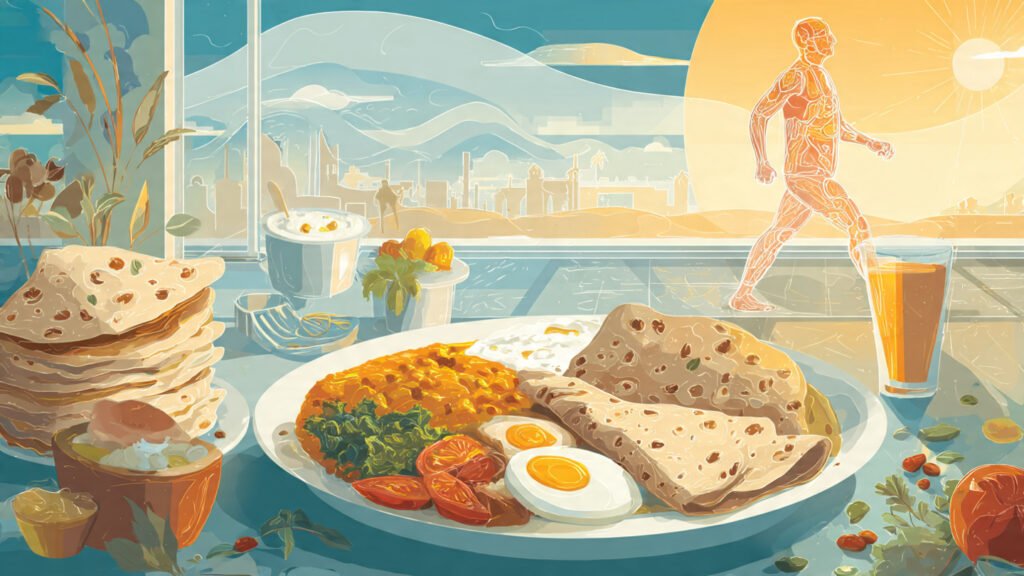
- Add lentils, eggs, yogurt, or vegetables
- Avoid wheat at dinner
- Walk after meals
- Prefer multigrain flour
Small changes can drastically reduce glucose spikes.
Better Alternatives to Regular Wheat Roti
If wheat causes consistent sugar spikes, alternatives may help:
- Multigrain roti
- Barley-based roti
- Millet rotis
- Sorghum and bajra blends
These options release glucose more slowly when eaten in controlled portions.
Common Myths About Wheat and Blood Sugar
Myth: Whole wheat never raises blood sugar
Truth: Portion size matters
Myth: Chapati is always better than rice
Truth: Quantity and preparation decide impact
Myth: Brown bread is diabetic-friendly
Truth: Color does not equal low GI
Understanding these myths helps prevent long-term damage.
Who Should Be Extra Careful with Wheat
Special care is needed for:
- Type 2 diabetics
- Prediabetics
- PCOS patients
- People with belly fat
- Those with family history of diabetes
For these groups, wheat awareness is not optional — it is essential.
Conclusion: Awareness Is More Powerful Than Avoidance
The glycemic index of wheat explains why a food that looks healthy can silently raise blood sugar. When combined with glycemic load, the picture becomes even clearer: portion size determines damage.
You don’t need to fear wheat, but you must respect it. Understanding how wheat converts into glucose — and visualizing it through tools like the Wheat Foods to Sugar Reality Calculator — empowers you to make informed, sustainable choices.
Blood sugar control does not start by avoiding sweets alone. It starts by understanding what happens to wheat after you eat it.
For glycemic load of foods, click in glycemic load calculator
How much sugar you take from carbohydrates and its impact on blood sugar, click in carbohydrates to sugar conversion calculator
گندم کو کاربوہائیڈریٹس کے ذریعہ کے طور پر سمجھنا
گندم بنیادی طور پر نشاستہ سے بنی ہے، جو گلوکوز کی لمبی زنجیر ہے۔ ہضم کے دوران
- لعاب اور ہاضمہ انزائمز گندم کے نشاستے کو گلوکوز میں توڑتے ہیں
- گلوکوز تیزی سے خون میں داخل ہوتا ہے
- بلڈ شوگر کی سطح بڑھ جاتی ہے
حیاتیاتی طور پر، گندم اور شکر ہضم شروع ہونے کے بعد زیادہ مختلف نہیں۔ فرق صرف رفتار کا ہے، نتیجہ کا نہیں۔
یہی وجہ ہے کہ جو لوگ مٹھائی سے پرہیز کرتے ہیں مگر گندم بڑی مقدار میں کھاتے ہیں، ان کا بلڈ شوگر بلند رہتا ہے۔
گندم کا گلیسیمک انڈیکس: پورا گندم بمقابلہ ریفائنڈ گندم
بہت سے لوگ سمجھتے ہیں کہ ریفائنڈ آٹے سے پورے گندم کے آٹے پر سوئچ کرنا مسئلہ مکمل حل کر دیتا ہے۔ پورا گندم بہتر تو ہے، مگر بلڈ شوگر کے لیے غیر جانبدار نہیں۔
پورا گندم کا آٹا
درمیانی گلیسیمک انڈیکس یعنی 45-65
ریفائنڈ گندم کا آٹا (میدہ)
زیادہ گلیسیمک انڈیکس یعنی 70-85
فائبر موجود، جو ہضم کو سست کرتا ہے
فائبر نکال دیا گیا
زیادہ مقدار میں کھانے پر بلڈ شوگر بڑھاتا ہے
تیزی سے گلوکوز اضافہ کرتا ہے
پورے گندم کی مصنوعات بھی بلڈ شوگر بڑھا سکتی ہیں اگر
مقدار بڑی ہو
مجموعی فائبر کم ہو
کھانے میں پروٹین اور چربی نہ ہو
عام گندم پر مبنی غذاؤں کا گلیسیمک انڈیکس
پروسیسنگ، پکانے کے طریقے اور مقدار کی وجہ سے مختلف گندم کی غذائیں جسم میں مختلف کام کرتی ہیں۔
چپاتی / روٹی: درمیانی GI، مگر متعدد کھانے پر زیادہ GL
تندوری روٹی: پکانے کے طریقے کی وجہ سے قدرے زیادہ GI
نان: زیادہ GI اور بہت زیادہ GL
سفید بریڈ: زیادہ GI اور تیزی سے ہضم
براؤن بریڈ: اکثر گمراہ کن، پھر بھی زیادہ GI
پراٹھا: اضافی چربی اور ریفائنڈ آٹے کی وجہ سے زیادہ GL
بیکری مصنوعات: انتہائی زیادہ GI اور GL
گندم جتنی پروسیسڈ ہوگی، اتنی تیزی سے گلوکوز میں تبدیل ہوگی۔
گندم کی غذاؤں کا گلیسیمک لوڈ: حقیقی خطرہ
یہاں اکثر لوگ نادانستہ غلطی کرتے ہیں۔
ایک درمیانی روٹی بے ضرر لگتی ہے۔ مگر دو، تین روٹیاں، روٹی آلو کی سبزی کے ساتھ، یا پروٹین اور فائبر کے بغیر۔ گلیسیمک لوڈ بڑھ جاتا ہے، جس سے کھانے کے بعد شدید گلوکوز اضافہ ہوتا ہے۔
عملی طور پر، متعدد روٹیاں کئی چمچ شکر کھانے جیسا اثر رکھتی ہیں، حالانکہ کچھ میٹھا نہیں لگتا۔
آپ کی روزانہ کی روٹی کیوں بلڈ شوگر بڑھا سکتی ہے؟
کئی عوامل مل کر کام کرتے ہیں:
بڑی مقدار
بار بار گندم پر مبنی کھانے
پروٹین اور صحت مند چربیوں کی کمی
انتہائی پروسیسڈ آٹا
کھانے کے بعد بیٹھے رہنا
جو لوگ “سادہ گھر کا کھانا” کھاتے ہیں، اگر ہر کھانے میں گندم غالب ہو تو بلڈ شوگر کنٹرول نہیں رہتا۔
گندم سے شکر کی حقیقت کیلکولیٹر کی وضاحت: آپ کی روزانہ کی گندم کیسے شکر میں تبدیل ہوتی ہے؟
اکثر لوگ مانتے ہیں کہ بلڈ شوگر صرف مٹھائی، ڈیزرٹ یا میز کی شکر سے بڑھتا ہے۔ یہ منطقی لگتا ہے، مگر خطرناک طور پر نامکمل ہے۔ حقیقت میں، روزانہ کی خوراک میں بلڈ شوگر کا سب سے بڑا ذریعہ نظر آنے والی شکر نہیں بلکہ کاربوہائیڈریٹس سے بنی پوشیدہ شکر ہے، خاص طور پر روٹی، نان، بریڈ اور پراٹھا جیسے گندم پر مبنی کھانوں سے۔
یہی وجہ ہے کہ “گندم → شکر کی حقیقت کیلکولیٹر” موجود ہے۔
آج گندم سے شکر کیلکولیٹر کی ضرورت کیوں؟
جنوبی ایشیا، مشرق وسطیٰ اور بہت سے مغربی ممالک میں گندم دن میں کئی بار کھائی جاتی ہے۔ ناشتہ بریڈ، دوپہر روٹی یا نان، رات کا کھانا بھی یہی۔ اس کے باوجود لوگ حیران ہوتے ہیں جب بلڈ گلوکوز بلند رہتا ہے۔
وجہ سادہ ہے:
- گندم کاربوہائیڈریٹس سے بھری غذا ہے
- کاربوہائیڈریٹس گلوکوز میں تبدیل ہوتے ہیں
- گلوکوز خون میں شکر جیسا کام کرتا ہے
گندم سے شکر کی حقیقت کیلکولیٹر یہ تبدیلی واضح کرتا ہے، تاکہ صارفین گندم کے کھانوں کا حقیقی شکر اثر سمجھیں، چاہے وہ میٹھے نہ لگیں۔
گندم → شکر کی حقیقت کیلکولیٹر کیا ہے؟
یہ ایک انٹرایکٹو غذائی آگاہی ٹول ہے جو:
- گندم پر مبنی کھانوں کو کل کاربوہائیڈریٹس میں تبدیل کرتا ہے
- گلیسیمک لوڈ کا اندازہ لگاتا ہے
- کاربوہائیڈریٹس کو شکر کے مساوی (چمچوں میں) میں ترجمہ کرتا ہے
- صحت کی کیٹیگری کے مطابق نتائج ایڈجسٹ کرتا ہے
مجرد اعداد کے بجائے، یہ روزمرہ کی سمجھنے والی زبان میں وضاحت کرتا ہے۔
گندم → شکر کی حقیقت کیلکولیٹر کے انٹرفیس کی وضاحت
کیلکولیٹر کا ڈیزائن جان بوجھ کر سادہ ہے تاکہ غذائی علم نہ ہونے والا بھی استعمال کر سکے۔ آئیے ہر حصے کی وضاحت کریں۔
- گندم کی غذا منتخب کریں: جو آپ کھاتے ہیں اس کا انتخاب
پہلا فیلڈ “گندم کی غذا منتخب کریں”۔
ڈراپ ڈاؤن سے عام گندم کی غذائیں منتخب کریں جیسے:
- نان
- چپاتی / روٹی
- بریڈ
- پراٹھا
- دیگر گندم کی مصنوعات
یہ قدم اہم کیوں؟ مختلف غذائیں:
- مختلف آٹے استعمال کرتی ہیں
- مختلف پروسیسنگ ہوتی ہے
- کاربوہائیڈریٹس کی کثافت مختلف ہوتی ہے
مثال: نان میں ریفائنڈ آٹا اور چربی زیادہ، اس لیے عام چپاتی سے GL زیادہ۔ درست غذا منتخب کر کے کیلکولیٹر عمومی نہیں بلکہ مخصوص حقیقت دیتا ہے۔
- سرونگ یونٹ: جو حقیقی طور پر اہم ہے
دوسرا فیلڈ “سرونگ یونٹ”، گرام یا ٹکڑے منتخب کریں۔
گرام استعمال سے حقیقی استعمال کی عکاسی ہوتی ہے۔
خاص طور پر جو لوگ:
- بڑا نان
- ریسٹورنٹ سائز
- گھر کی مختلف موٹائی والی روٹیاں کھاتے ہیں
- مقدار: مقدار شکر کے اثر کی تعریف کرتی ہے
مقدار کا فیلڈ سب سے اہم ہے۔ لوگ اکثر کم اندازہ لگاتے ہیں۔ ایک نان 90–120 گرام کا ہو سکتا ہے، مگر ذہنی طور پر “ایک روٹی” شمار کرتے ہیں۔
کیلکولیٹر دکھاتا ہے:
- زیادہ مقدار = زیادہ کاربز
- زیادہ کاربز = زیادہ شکر
- زیادہ شکر = زیادہ بلڈ گلوکوز
یہ مقدار کی آگاہی سکھاتا ہے، جو بلڈ شوگر کنٹرول کی بنیاد ہے۔
- صحت کی کیٹیگری: نتائج کو ذاتی بنانا
صحت کی کیٹیگری ڈراپ ڈاؤن: صحت مند، پری ڈائیبیٹک، ڈائیبیٹک
صحت کی کیٹیگری اہم کیوں؟ ہر شخص کا جسم گلوکوز ایک جیسا ہینڈل نہیں کرتا۔
- صحت مند شخص اعتدال گلوکوز اضافہ برداشت کر سکتا ہے
- پری ڈائیبیٹک میں اضافہ طویل رہتا ہے
- ڈائیبیٹک میں خطرناک بلند ہوتا ہے
منتخب کر کے کیلکولیٹر:
- وارننگ لیول
- GL کی تشریح
- خطرے کے پیغامات ایڈجسٹ کرتا ہے
یہ ذاتی بناتا ہے۔
- حقیقت کیلکولیٹ کریں بٹن: ڈیٹا کو آگاہی میں تبدیل
“حقیقت کیلکولیٹ کریں” بٹن دبانے پر تبدیلی ہوتی ہے۔
یہ پروسیس کرتا ہے:
- منتخب غذا
- کھائی گئی مقدار
- کاربوہائیڈریٹس ویلیوز
- گلیسیمک لوڈ کا اندازہ
- شکر کے مساوی
“حقیقت” لفظ جان بوجھ کر استعمال کیا گیا کیونکہ نتیجہ اکثر صارفین کو حیران کر دیتا ہے۔
یہ کیلکولیٹر ڈائیبیٹکس اور پری ڈائیبیٹکس کی کیسے مدد کرتا ہے؟
یہ طبی ٹول نہیں بلکہ آگاہی ٹول ہے۔
یہ مدد کرتا ہے:
- پوشیدہ شکر کی مقدار سمجھنے میں
- مقدار کنٹرول کرنے میں
- گندم کی غذاؤں کا موازنہ کرنے میں
- بار بار گلوکوز اضافہ روکنے میں
- بہتر متبادل انتخاب میں
یہ گندم کھانا بند کرنے کو نہیں کہتا بلکہ کتنی زیادہ ہے سکھاتا ہے۔
یہ کیلکولیٹر دیگر غذائی کیلکولیٹرز سے مختلف کیوں؟
اکثر کیلکولیٹر دکھاتے ہیں:
- کیلوریز
- میکروز
- فیصد
یہ دکھاتا ہے:
- حقیقت
- نتائج
- شکر کا اثر
یہ عام لوگوں کی زبان بولتا ہے، نہ کہ غذائی کتابوں کی۔
روزانہ کے کھانے کی منصوبہ بندی میں کیلکولیٹر کا استعمال
آپ استعمال کر سکتے ہیں:
- دوپہر یا رات کے کھانے سے پہلے
- باہر کھاتے وقت
- ڈائیبیٹک کھانے کی منصوبہ بندی میں
- فیملی کو سکھانے میں
خاص طور پر اچھا کام کرتا ہے:
- روٹی پر مبنی کھانوں میں
- ریسٹورنٹ نان میں
- بریڈ والے ناشتے میں
فیملیز اور کمیونٹیز کے لیے تعلیمی قدر
یہ طاقتور تعلیمی ٹول ہے:
- ذیابیطس آگاہی پروگرامز میں
- غذائی بلاگز میں
- کلینکس اور کونسلنگ میں
- گھریلو فیصلوں میں
جب فیملیز شکر کے مساوی دیکھتی ہیں تو عادات قدرتی طور پر بدلتی ہیں۔
نتیجہ: شکر دیکھنا کنٹرول کا پہلا قدم ہے
گندم → شکر کی حقیقت کیلکولیٹر وہ کرتا ہے جو اکثر غذائی ٹولز نہیں کرتے — کھانے کو نتائج سے جوڑتا ہے۔
گندم کو تبدیل کر کے:
- کاربوہائیڈریٹس
- گلیسیمک لوڈ
- شکر کے مساوی میں
یہ الجھن ختم کر کے وضاحت دیتا ہے۔
آپ کو گندم سے ڈرنے کی ضرورت نہیں۔ اسے واضح دیکھنے کی ضرورت ہے۔ جب آپ سمجھیں کہ روزانہ کی گندم کیسے شکر میں تبدیل ہوتی ہے تو بلڈ گلوکوز کنٹرول الجھن بھرا نہیں بلکہ منطقی اور بااختیار بن جاتا ہے۔ آگاہی پابندی نہیں، کنٹرول ہے۔
کیا گندم ہر ایک کے لیے بری ہے؟ ایماندارانہ حقیقت
گندم زہر نہیں۔ مسئلہ مقدار، بار بار استعمال اور آگاہی کی کمی ہے۔
- صحت مند افراد: اعتدال گندم برداشت کر سکتے ہیں
- پری ڈائیبیٹکس: مقدار کا خیال رکھیں
- ڈائیبیٹکس: سخت مقدار کنٹرول اور کھانا متوازن کریں
- انسولین ریزسٹنس: گندم بحالی میں تاخیر کر سکتی ہے
گندم محفوظ ترین جب:
- چھوٹی مقدار میں
- پروٹین اور فائبر کے ساتھ
- ہر کھانے میں نہ ہو
گندم کے گلیسیمک اثر کو کم کرنے کے طریقے
گندم مکمل ختم کرنے کی ضرورت نہیں۔ سمارٹ حکمت عملیاں:
- روٹی کا سائز کم کریں
- فی کھانے روٹیوں کی تعداد محدود کریں
- دالیں، انڈے، دہی یا سبزیاں شامل کریں
- رات کے کھانے میں گندم سے پرہیز
- کھانے کے بعد چہل قدمی
- ملٹی گرین آٹا ترجیح دیں
چھوٹی تبدیلیاں گلوکوز اضافہ بہت کم کر سکتی ہیں۔
عام گندم کی روٹی کے بہتر متبادل
اگر گندم سے مسلسل شوگر اضافہ ہو تو متبادل مدد کر سکتے ہیں:
- ملٹی گرین روٹی
- جو کی روٹی
- باجرا روٹی
- جوار اور باجرا مکس
یہ کنٹرولڈ مقدار میں آہستہ گلوکوز چھوڑتے ہیں۔
گندم اور بلڈ شوگر کے بارے میں عام افواہیں
افواہ: پورا گندم کبھی بلڈ شوگر نہیں بڑھاتا
حقیقت: مقدار اہم ہے
افواہ: چپاتی ہمیشہ چاول سے بہتر
حقیقت: مقدار اور تیاری فیصلہ کرتی ہے
افواہ: براؤن بریڈ ڈائیبیٹک کے لیے موزوں
حقیقت: رنگ کم GI کی ضمانت نہیں
ان افواہوں کو سمجھنا طویل مدتی نقصان روکتا ہے۔
گندم سے اضافی احتیاط کسے کرنی چاہیے؟
خاص احتیاط:
- ٹائپ 2 ڈائیبیٹکس
- پری ڈائیبیٹکس
- PCOS مریض
- پیٹ کی چربی والے
- فیملی میں ذیابیطس کی تاریخ والے
ان گروپس کے لیے گندم کی آگاہی اختیاری نہیں بلکہ ضروری ہے۔
نتیجہ: آگاہی پرہیز سے زیادہ طاقتور ہے
گندم کا گلیسیمک انڈیکس وضاحت کرتا ہے کہ صحت مند لگنے والی غذا خاموشی سے بلڈ شوگر کیوں بڑھا سکتی ہے۔ گلیسیمک لوڈ کے ساتھ مل کر تصویر واضح ہوتی ہے: مقدار نقصان کی حد مقرر کرتی ہے۔
آپ کو گندم سے ڈرنے کی ضرورت نہیں، اس کا احترام کریں۔ گندم کیسے گلوکوز میں تبدیل ہوتی ہے سمجھنا — اور “گندم سے شکر کی حقیقت کیلکولیٹر” جیسے ٹولز سے دیکھنا — آپ کو باخبر، پائیدار انتخاب کرنے کی طاقت دیتا ہے۔
بلڈ شوگر کنٹرول صرف مٹھائی سے پرہیز سے شروع نہیں ہوتا۔ یہ گندم کھانے کے بعد کیا ہوتا ہے سمجھنے سے شروع ہوتا ہے۔
Pingback: Post 4: Glycemic Index of Rice Explained: Why This Everyday Food Spikes Blood Sugar Faster Than Sugar - Glycemic Care